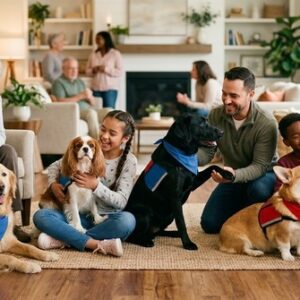
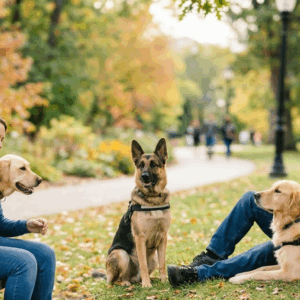
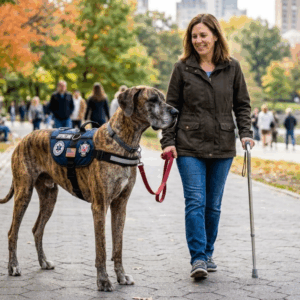
Service dogs became a lifesaver for many people with various disabilities – from mental health problems to serious physical issues. They make everyday routine much more manageable and let their owners live a full, happy life despite all their health troubles.
And even though almost every dog can be trained to perform specific tasks for its owner, some breeds are more successful in learning new skills and performing complex tasks. But what are those breeds? What type of service animal can they be? What are the traits a service dog must have? We’ll explain all nuances in this article.
Various types of Helper Dogs
Even though emotional support animals and therapy animals are considered to be a type of service animal, that is a common misunderstanding. These three categories are completely different and provide services to people with various health issues.
Service dogs
Remember one thing: a service dog is a working dog. Most of them are specifically trained to perform tasks for people with disabilities ever since they were puppies. Usually, they a taught to help with activities related directly to the person’s health condition. These animals are always alerted; they take care of their owners and help them to complete everyday routine duties to live a full life.
Emotional support dogs
An emotional support dog may also be called a psychiatric service dog. It plays the role of emotional support and companion for the person with trauma. They provide an excellent service for people with such emotional conditions as depression, anxiety attacks, various phobias, fears, etc. Their main task – to provide comfort for those who need it. Moreover, any pet may be an emotional support animal, as long as it is registered.
Therapy dogs
A therapy dog usually provides its services in such places as hospitals, rehabilitation centers, elderly houses, airports (for nervous travelers), etc. The main task for these animals is to cheer up other people – not their owners. Any person can train their dog as a therapy animal; however, proof of its completed training is required to start working.
Necessary character features of the service dog
As we have already mentioned, the dog needs to possess several character features in order to become a service dog. So, what are those features? Let’s learn more about this topic.
- Intelligence. Only an intelligent dog will be easy to train to perform complicated tasks for their handlers;
- Easygoing and good-natured. That means that service dogs should be comfortable around other people, as it has to visit various public places with you. It should not be overprotective (however, this feature would be perfect for guard dogs);
- Calm. It is important for pets to stay cold-headed even if the handler is panicking. Remember, its task – is to support the owner and (if needed) calm them down;
- Faithful. The dog needs to bond strongly with the owner and be ready to spend all the time with the person. That is why it is essential to have good relationships with this little helper and make sure it won’t leave you in a stressful situation.
The best service dog breeds
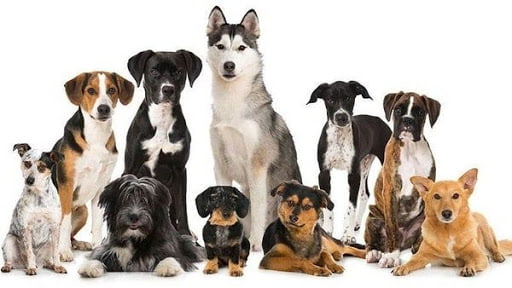
Even though all dogs can make great service dogs, there are some breeds that are considered to be the best breeds to train for becoming service dogs. So, here are the top breeds that are commonly chosen to perform tasks for disabled people.
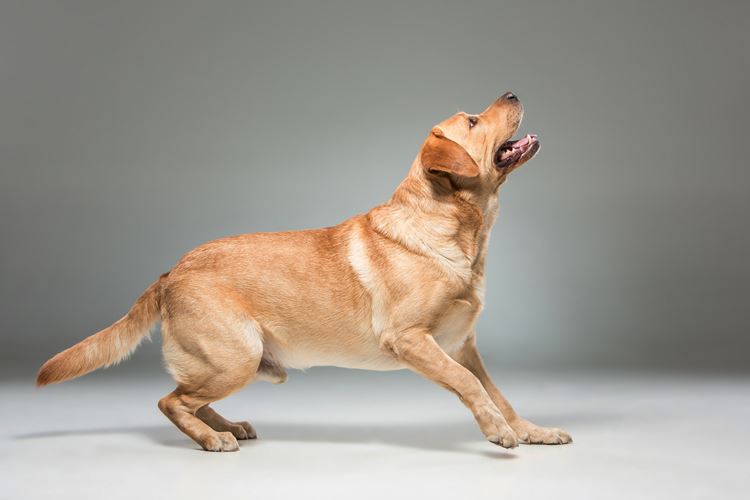
Labrador retriever
This one is one of the most popular that are commonly trained as a service dog. Labrador retrievers usually are the best help for mobility-impaired owners that need help in everyday routines.
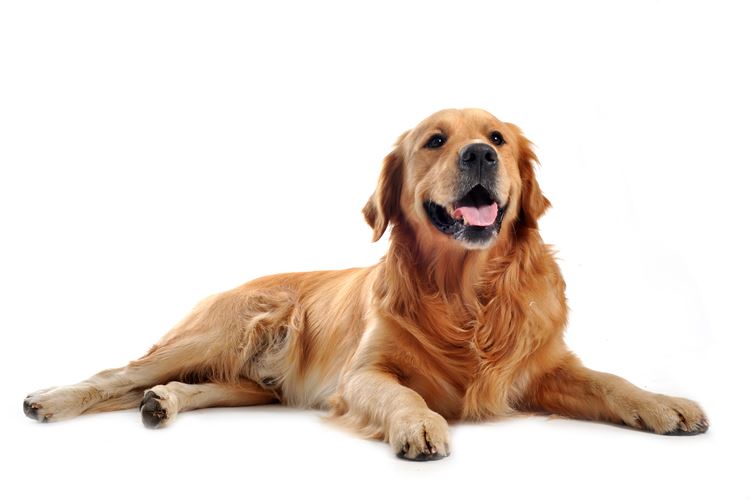
Golden Retriever
As well as Labradors, these dogs are very helpful in everyday routine. They can be guide dogs or great assistance dogs for those with disabilities. In addition, they are very gentle and friendly; that is why it’s just the right breed for dealing with anxiety and PTSD.
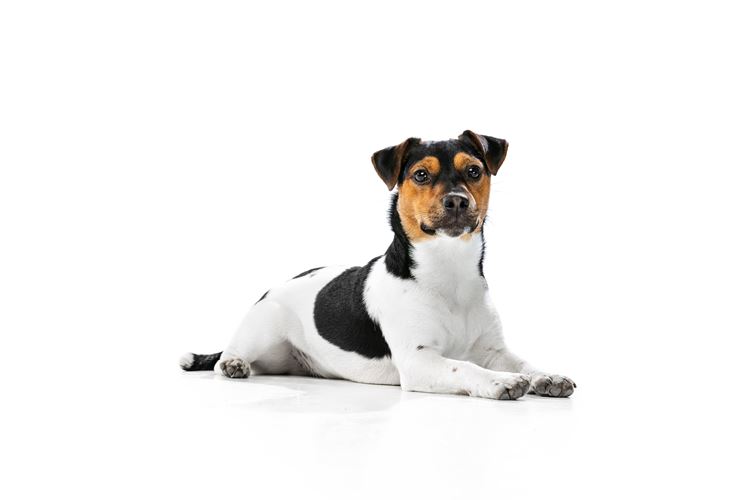
German shepherd
Most people associate german shepherds with guards and police dogs; however, they can make a good service dogs as well. They are very intelligent and really easy to train. They are very helpful for people with anxiety, and also their incredible sense of smell can be helpful in the role of alert dogs for monitoring blood sugar levels.
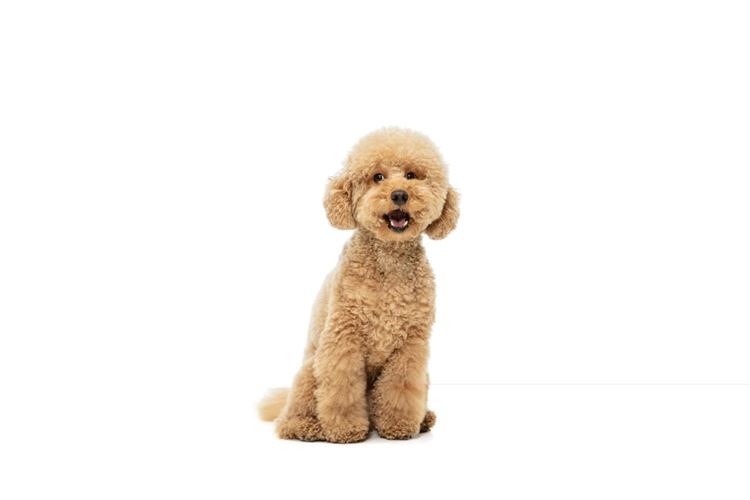
Standard poodle
Many people see poodles as little toy dogs that can only be pretty. That is not true. Their easy-going and friendly character can make them great supportive psychiatric service dogs. Besides, standard poodles are usually great with children, which is a big bonus.
Border collie
They are believed to be one of the smartest breeds for service dogs. They are great at performing different service work and can be trained easily. However, remember that this breed is very active and needs mental stimulation to stay happy, so you will need to take that under control from time to time.
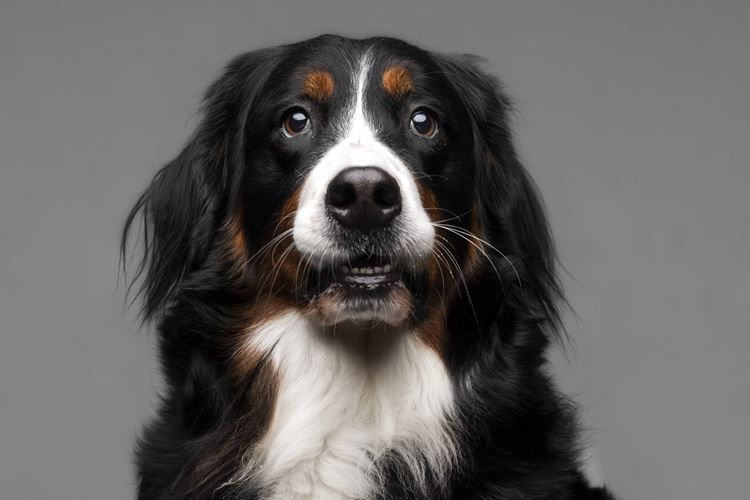
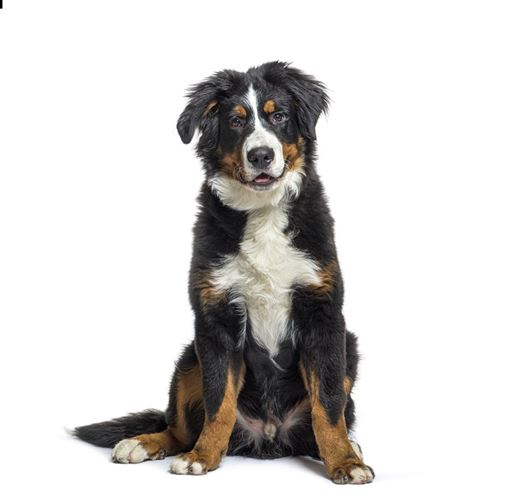
Bernese mountain dogs
These smart, highly intelligent animals are perfect for some physical work, as they are stronger than other breeds. But they are also big and active, so they will be more suitable for open doors hoses than apartments. Keep that in mind!
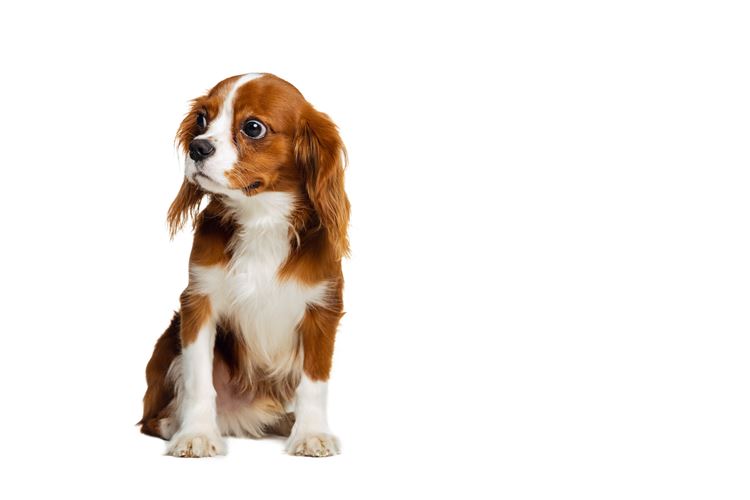
King Charles spaniel
These kinds, of loving dogs are famous for their calm character. This breed is well-suited for children with autism and people with traumas who need emotional support.
However, we want to repeat again – a service dog breed is not the most important factor. The main thing is to be sure of your pet, trust it, and be a good owner. Working animal or not – it still needs love. If to solve your mental disorders you need an Emotional Support Animal you might be interested in the best ESA dog breeds article.
Types of training for service animals
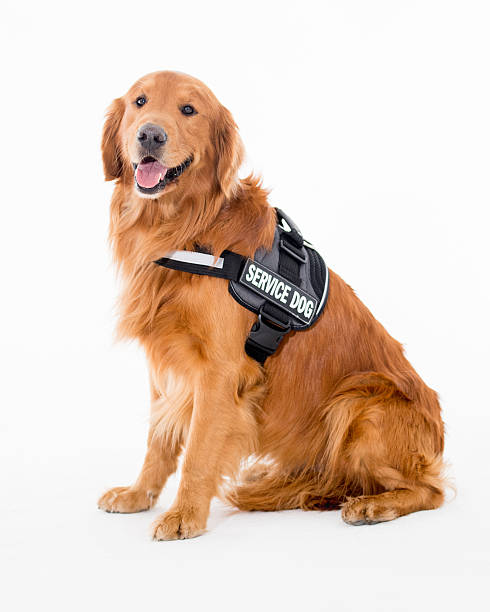
Good service dogs are usually trained to do tasks that are related to the disability of their owner. There are various types of training that will teach the dog the following jobs:
- Guide dogs. Trained to assist blind people;
- Hearing dogs (or signal dogs). Trained to help those who are deaf or have serious hearing loss;
- Psychiatric service dog. These animals are taught to help people with various mental disabilities. Their responsibilities may include reminding to take medications, keeping people safe, interrupting self-mutilation, etc.;
- Sensory signal dogs. They are trained to help those with autism;
- Dogs to assist people with diabetes. They can feel the upcoming episode of the low or high blood sugar level.
Most dogs must be trained from the time they were puppies in order to be able to help people with all the problems mentioned above. However, it is still possible to train your own pet to be your personal helper. The assistance of a trainer may be required.
The bottom line
As we’ve already mentioned before, there is no such thing as “the best service dog breeds.” Every dog can make a perfect service dog, as long as you have enough patience and skills to train it. It’s just that one breed is better at doing tasks another can’t, and vice versa.
It is important to talk to the specialist before getting a service dog, explain the specifics your disability requires, and choose among all excellent service dogs out there. Moreover, experienced trainers will also make a great help in this situation. Good luck in choosing your perfect service animal. Stay safe!