Everything You Need to Know about Psychiatric Service Dogs
These types of animals are often confused with emotional support animals because most service animals are associated with such issues as blindness or limited mobility. However, psychiatric service dogs perform a very important part in people’s lives too, due to their special training that teaches them to perform tasks for people with mental and emotional disorders.
In this article, we will tell you everything you need to know about this specific type of service animal, so keep reading to learn more. All the needed information is here!
What is a Psychiatric Service Dog?
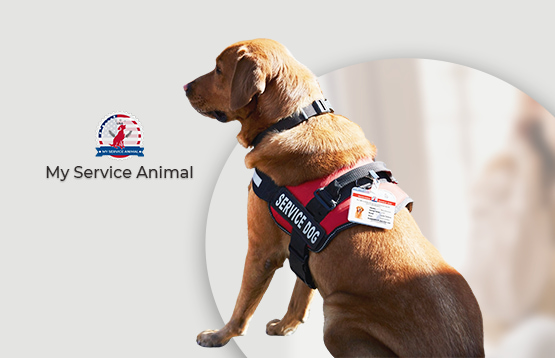
A psychiatric service dog is an animal trained to perform tasks for people with various mental disorders, as well as learning disabilities. These animals have the same rights all service animals have; however, sometimes, they are confused with emotional support animals (ESAs). But, unlike ESAs, they have more access to public places, pet owners do not need to pay an extra fee on the plane or rented places, and these dogs have all rights to be with their handlers in the pet-free zones. All of that is permitted by the Americans with Disabilities Act (ADA).
To get such a helper, the person needs to go to the health professional in order to get a note proving they need a psychiatric service dog to assist them due to a disability. Only after that, do they have a legal right to get a specially trained pet.
Types of Psychiatric Service Dogs
Specialists claim there are countless types of PSDs out there; every dog is trained specifically for a patient’s illness, disability, and mental problem. However, it is possible to highlight three main categories, which are the most common.
- Anxiety PSD. Every person can experience anxiety sometimes, it is absolutely normal. However, there are some people who struggle with this problem on a daily basis, and it affects their life very badly(sometimes, it may lead to panic attacks and compulsive behavior). A PSD can alert their handler about the upcoming panic attack, make them stay present by licking or pawing, warn relatives about the problem, or support and protect the person when they are under stress;
- Depression psychiatric service dog. People with such mental health problems as clinical depression very often have trouble living everyday social life, talking with other people, or controlling their negative thoughts (which are dangerous because sometimes they may become suicidal). PSDs are individually trained to help such patients live full life, provide comfort and help with everyday tasks, get them back to reality during stressful moments, etc. They also don’t let the individual with a disability fall out of the real world by sleeping too much or being passive;
- Post-traumatic stress disorder (PTSD) psychiatric service dog. This category of people is those who have been through something extremally traumatic in their life – life-changing situations, loss of close people, extreme stress, etc. Those patients require PSDs’ assistance to get the needed security and support during the most stressful moments or therapy, prevent destructive behavior, get a reminder to take medications, calm down in crowded public places, etc.
 Resolves 80% of housing & airline access issues instantly
Service Animal Registration
 Instant Digital ID
 Free Shipping
 5-Min Process


How to get a Psychiatric Service Dog
What categories of people are allowed to have registered psychiatric service dogs? To get permission to own a service dog, a special note that proves the mental illness of the person is required. It may be prescribed by a professional in the clinic after the appointment where they can see that the disability limits one or more major life activities in person. People with one of the following issues may qualify for a PSD:
 Anxiety and panic attacks;
- Clinical depression;
- Various phobias;
- Bipolar disorder;
- Attention deficit and hyperactivity disorders;
- OCD (Obsessive Compulsive Disorder);
- Post-traumatic stress disorder;
- Autism.
You Can Register a Psychiatric Service Dog online now in 5 min on the MyServiceAnimal website.
Dogs need to be trained to perform tasks related to the psychiatric disabilities of the handler. It is very important for an animal to be trained to do work for the owner because if it only provides comfort for them, it relates to ESAs (Emotional Support Animals), not to psychiatric service dogs. Thus, they have fewer rights regarding public access to different places, housing, traveling, etc., as well as less protection by laws.
For a PSD doctor’s letter, you can get it from your therapist or psychologist as same as with a Service Dog letter case. Please find how I get a recommendation letter for a service dog in our blog article.
Basic tasks a PSD performs

A psychiatric service dog is an animal trained to do tasks related to a person’s disability. A lot of people need assistance from their pets due to their mental health issues. Yes, service dogs are much more than guide dogs, alert dogs, etc.; they can perform tasks to improve the quality of life of their owners and make it much more manageable.
The list of jobs for psychiatric service dogs may be helpful in including a lot of variants, but we would like to tell you about the basics. This way, you will increase the level of awareness on this topic a little more and will understand the realities of a disabled person’s everyday life routine better:
- Medications reminder. Some people with anxiety or depression may be very forgetful sometimes. A dog reminds them to take needed medications by ringing the bell, bringing them from the table, or barking;
- Help in keeping the balance. If tranquilizers for calming down were prescribed to the person, they might have some trouble with the balance. PSDs may protect and assist those people when they are walking;
- Guiding the handler. When in a state of panic, some dog owners may become disoriented and lost easily in the crowd or an unknown place. The dog’s job here is to find a needed place or at least go somewhere safe with the handler, the place where it would be possible to calm down;
- Help to build up an everyday routine. The dog makes sure the person does not oversleep, eats on time, do some activities during the day, etc. Overall, it helps to live a full life for those with mental disabilities;
- Interrupt obsessive-compulsive behavior and helps to stay present. If the dog notices the person starts to zone out or to do something harmful to themselves due to their disability, it tries to disturb the person, stop those actions and switch their focus to something else;
- Alert about the danger. It may include weird sounds (strangers outside, the smoke detector, etc.), smells (smoke, gas, etc.), and other suspicious signs;
- Tactile stimulation. In this way, the dog provides comfort to the handler, makes them feel safe, and forgets about the feeling of loneliness. It may be done by soft pawing, licking, or sitting/laying together.
Every handler of the PSD has a right to total privacy when it is related to their disability. Workers in public establishments do not have the right to ask about the person’s health issues or for prof of their need for a service animal. The ADA protects disabled people, and if somebody caused major discomfort to the person because of their service animal, the ADA would help to protect their rights.
Get Your Service Dog Officially Registered
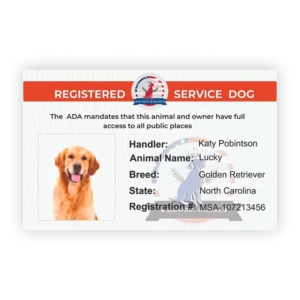
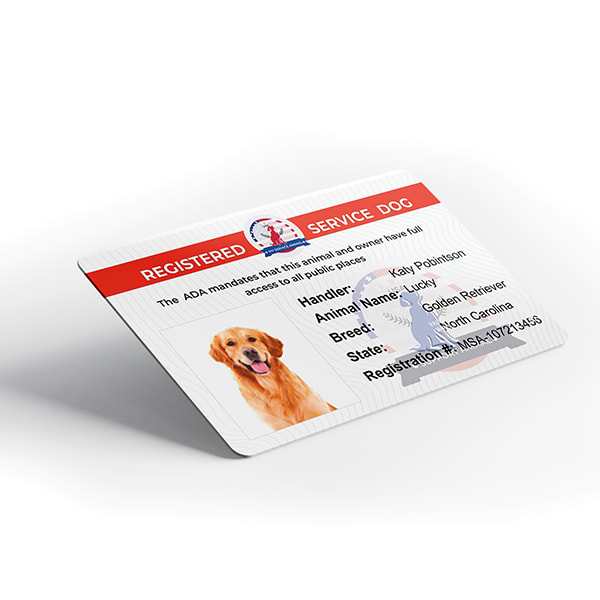
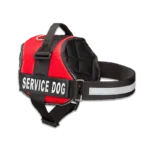
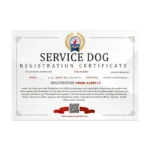
Whether you need a service dog registration and ID card, an official ADA service dog certificate, or a service dog vest for public identification — our Service Dog Registry provides everything you need. Save with the complete service dog registration kit that includes all essential documents and gear.
The bottom line
A psychiatric service dog is an animal that helps those with mental health disabilities to live a full, happy life. Their main task is to assist in everyday routine, keep the person safe and healthy, provide comfort to them and be a faithful companion during hard times. To have a right to get a PSD, the person needs a valid note from a mental health professional that proves their need in a service animal. PSDs are a great support for those who need them, and they make the lives of people with struggles not so harsh. It deserves respect!
If you already have a psychiatric service dog, you can register your PSD online to receive a personalized ID card and digital profile for easier public access and housing verification.
Frequently Asked Questions
A psychiatric service dog is an animal trained to perform tasks for people with various mental disorders, as well as learning disabilities. These animals have the same rights all service animals have; however, sometimes, they are confused with emotional support animals (ESAs). But, unlike ESAs, they have more access to public places, pet owners …
Under the ADA, a service animal is a dog individually trained to perform tasks directly related to a person’s disability. This includes guiding people who are blind, alerting people who are deaf, and performing other specific tasks.
No, the ADA does not require professional training. Owners can train their own service dogs. The key requirement is that the dog must be trained to perform at least one specific task related to the handler’s disability.
Businesses can only ask two questions: (1) Is this a service animal required because of a disability? (2) What task has the dog been trained to perform? They cannot ask for documentation or a demonstration.
The content on this website is for informational purposes only and does not constitute professional medical advice, diagnosis, treatment, or legal counsel.
Still Unsure If You Qualify?
Skip the confusion. Take a 3-minute assessment to see what your animal legally needs.
U.S handlers trust MyServiceAnimal