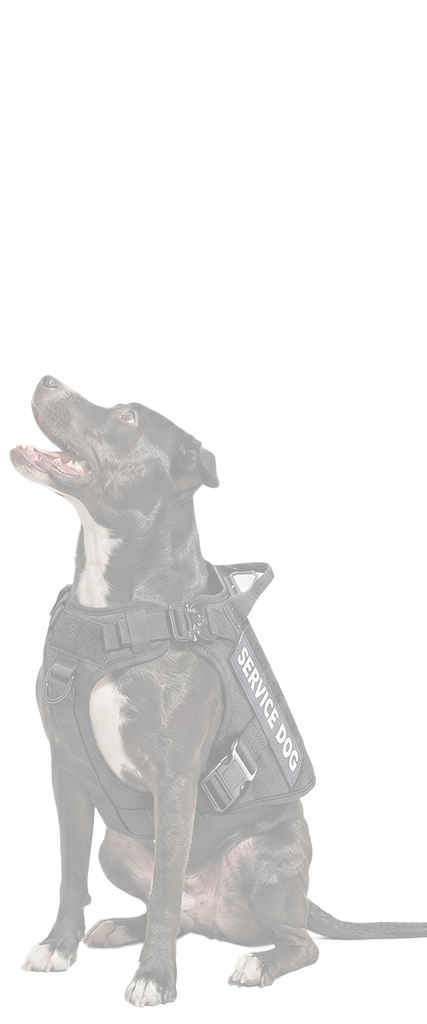
Emotional Support Animal for Anxiety — How an ESA Can Help You Manage Anxiety
An emotional support animal for anxiety is a companion animal that provides therapeutic benefit to a person diagnosed with an anxiety disorder. Unlike service dogs, ESAs do not require specific task training — their calming presence alone is recognized as a legitimate form of treatment by mental health professionals and protected under federal housing law.
If you struggle with generalized anxiety, social anxiety, panic disorder, or related conditions, an emotional support animal may significantly improve your quality of life.
How Does an Emotional Support Animal Help with Anxiety?
Research consistently shows that animal companionship reduces cortisol levels, lowers blood pressure, and increases oxytocin production — all of which directly counteract the physiological effects of anxiety. Specific benefits include:
- Reduced panic episodes. Petting or holding an animal activates the parasympathetic nervous system, which calms the body’s fight-or-flight response.
- Structured daily routine. Caring for an animal creates predictable routines — feeding, walking, grooming — which provides stability for anxiety sufferers.
- Social interaction buffer. An ESA provides a natural conversation starter and reduces social isolation, which is a common trigger for anxiety.
- Grounding presence. During an anxiety attack, focusing on an animal’s breathing, warmth, and heartbeat can serve as a powerful grounding technique.
- Unconditional companionship. ESAs provide non-judgmental support that can be more consistent than human relationships for people with social anxiety.
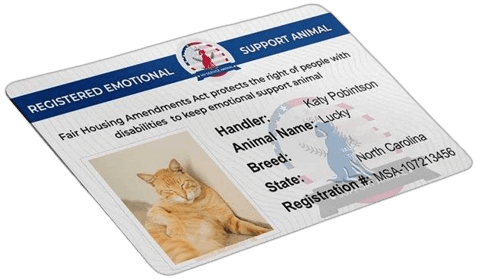
What Disabilities Qualify for an Emotional Support Animal?
The Fair Housing Act protects people with mental or emotional disabilities that substantially limit one or more major life activities. Conditions that commonly qualify for an ESA include:
- Generalized Anxiety Disorder (GAD)
- Social Anxiety Disorder
- Panic Disorder
- Post-Traumatic Stress Disorder (PTSD)
- Major Depressive Disorder
- Obsessive-Compulsive Disorder (OCD)
- Bipolar Disorder
- Phobias that significantly impact daily functioning
- Attention Deficit Hyperactivity Disorder (ADHD)
 Resolves 80% of housing disputes instantly
Emotional Support Animal Registration
 Instant Digital ID
 Free Shipping
 5-Min Process


If your anxiety significantly impacts your ability to work, socialize, sleep, or perform daily activities, you likely qualify for an ESA.
Best Emotional Support Animals for Anxiety and Depression
While any domesticated animal can serve as an ESA, dogs are the most common and effective choice for anxiety support. Top breeds include:
Best Dogs for Anxiety
- Golden Retriever. Gentle, empathetic, and naturally attuned to human emotions. The gold standard for emotional support.
- Cavalier King Charles Spaniel. Bred for companionship. Calm temperament and love of physical closeness make them ideal for anxiety.
- Labrador Retriever. Loyal, patient, and endlessly affectionate. Great for active owners who benefit from outdoor exercise.
- Poodle. Hypoallergenic and highly intelligent. Available in standard, miniature, and toy sizes for any living situation.
- Corgi. Cheerful, social, and naturally humorous — a mood-boosting companion.
Other ESA Options
- Cats — ideal for apartment living, lower maintenance than dogs
- Rabbits — gentle, quiet, and soothing to hold
- Birds — social interaction and routine care provide structure
How to Get an Emotional Support Animal for Anxiety
Step 1: Consult a Mental Health Professional
Speak with a licensed therapist, psychologist, or psychiatrist about how an ESA could benefit your anxiety treatment. If they determine an ESA is appropriate, they will provide an ESA letter — a formal prescription for an emotional support animal.
Step 2: Choose Your Animal
Select an animal whose temperament and energy level match your lifestyle. Consider factors like living space, daily schedule, allergies, and whether you need a calm lap dog or an active outdoor companion.
Step 3: Register Your ESA
Register your emotional support animal with MyServiceAnimal to receive:
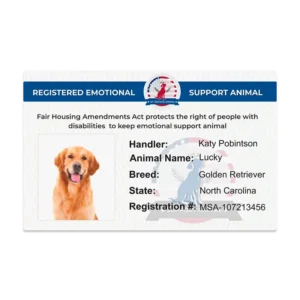
- An official ESA ID card with your animal’s photo
- Registration in the National Service Animal Registry
- Digital and physical ID for instant verification
Step 4: Secure Your Housing Rights
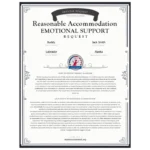
Present your ESA letter and housing accommodation request to your landlord. Under the Fair Housing Act, they must allow your ESA in any housing — even “no pets” properties — without charging pet fees.
Your Rights with an ESA for Anxiety
Housing Protection (Fair Housing Act)
- Landlords cannot charge pet fees, deposits, or pet rent for ESAs
- Breed, weight, and species restrictions do not apply
- Your landlord must provide a reasonable accommodation
What Your Landlord Cannot Ask
- Details about your specific diagnosis
- Medical records or treatment history
- Proof of specific training (ESAs do not require task training)
ESA Identification and Gear
Protect yourself and your ESA with proper identification:
- ESA registration and ID card — instant proof of status
- ESA certificate — official documentation
- ESA vest — prevents public confrontations
- Housing accommodation request letter
Save on everything with the ESA premium registration bundle.
Register Your Emotional Support Animal Today
Get your ESA registration and ID card, an emotional support animal certificate, or a housing accommodation request letter to secure your housing rights. The ESA premium registration bundle includes all documents, an ESA vest, and full support from our Service Animal Registry.
Getting an ESA for Anxiety in California, Texas, Florida, and New York
Anxiety is recognized globally as a qualifying condition for an ESA, but local awareness varies. In progressive states like California and New York, ESAs for anxiety are highly common. In states like Texas and Florida, landlords might be less familiar with the process. In all 50 states, federal law dictates that your landlord must accept a valid ESA letter for anxiety. Having an ESA ID card and vest helps streamline the process and prevent misunderstandings locally.

Frequently Asked Questions
Research consistently shows that animal companionship reduces cortisol levels, lowers blood pressure, and increases oxytocin production — all of which directly counteract the physiological effects of anxiety. Specific benefits include:
The Fair Housing Act protects people with mental or emotional disabilities that substantially limit one or more major life activities. Conditions that commonly qualify for an ESA include: If your anxiety significantly impacts your ability to work, socialize, sleep, or perform daily activities, you likely qualify for an ESA.
Yes. If your anxiety is diagnosed by a licensed mental health professional and it significantly impacts your daily life, you qualify for an ESA. Your provider will issue an how to get an ESA letter to formalize your animal’s status.
While the ESA letter requires a licensed provider (which may involve a consultation fee), many shelters offer free or low-cost animal adoptions. ESA registration itself is affordable and provides lasting legal protection.
Dogs are the most common and effective ESAs for anxiety and depression, particularly Golden Retrievers, Cavalier King Charles Spaniels, and Labrador Retrievers. However, best ESA cat breedss, rabbits, and birds can also provide significant emotional support depending on your lifestyle.
The content on this website is for informational purposes only and does not constitute professional medical advice, diagnosis, treatment, or legal counsel.
Still Unsure If You Qualify?
Skip the confusion. Take a 3-minute assessment to see what your animal legally needs.
U.S handlers trust MyServiceAnimal