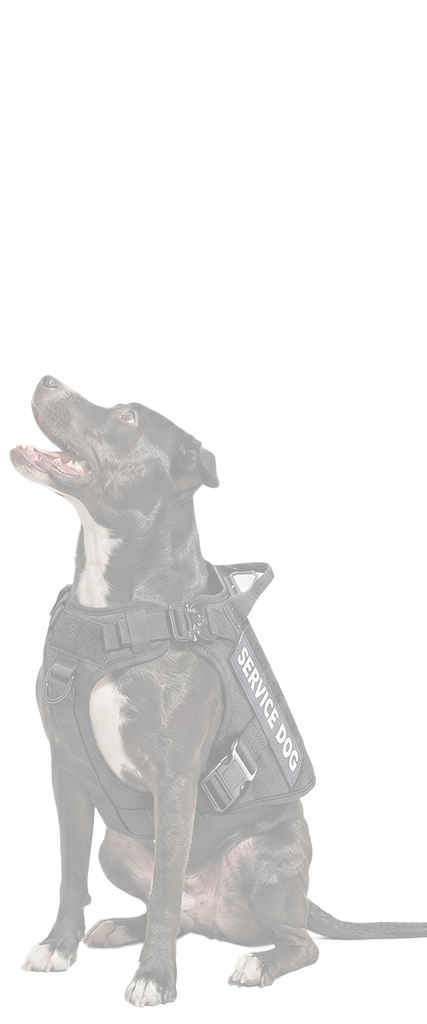
Companion Dog — ESA Breeds & Registration
A companion dog is a dog kept primarily for emotional comfort and personal companionship rather than for working tasks. While the term is often used interchangeably with “pet,” companion dogs can hold a special legal status as emotional support animals (ESAs) — granting them specific housing protections under federal law.
This guide explains what companion dogs are, how they differ from service dogs and ESAs, the best companion dog breeds, and how to get your companion dog officially recognized.
What Is a Companion Dog?
A companion dog is any dog whose primary purpose is to provide companionship, emotional comfort, and social interaction to its owner. Unlike service dogs, companion dogs are not trained to perform specific disability-related tasks.
However, when prescribed by a licensed mental health professional for a person with an emotional or psychological condition, a companion dog can be classified as an emotional support animal (ESA) — unlocking important legal protections.
Companion Dog vs. Emotional Support Animal vs. Service Dog
Understanding the differences is crucial for accessing the right legal protections:
- Companion Dog (Pet): No special legal status. Subject to standard pet policies, fees, and breed restrictions.
- Emotional Support Animal (ESA): A companion animal prescribed by a mental health professional. Protected under the Fair Housing Act — landlords cannot charge pet fees or deny housing. Requires an ESA letter. Register your ESA here.
- Service Dog: Individually trained to perform tasks for a disabled handler. Protected under the ADA for public access, housing, and air travel. Register your service dog here.
 Resolves 80% of housing disputes instantly
Emotional Support Animal Registration
 Instant Digital ID
 Free Shipping
 5-Min Process


Best Companion Dog Breeds
The best companion dogs combine affectionate temperaments with manageable energy levels and adaptability to various living situations.
Best Companion Dog Breeds for Anxiety
If you are seeking a companion dog specifically for emotional comfort, these breeds excel:
- Golden Retriever. Gentle, intuitive, and highly attuned to human emotions. One of the most popular therapy and ESA breeds.
- Cavalier King Charles Spaniel. Bred specifically as a companion animal. Thrives on physical closeness and is naturally calm.
- Labrador Retriever. Loyal, patient, and eager to please. Excellent with families and individuals alike.
- Poodle (all sizes). Hypoallergenic, intelligent, and adaptable. Standard, miniature, and toy varieties suit different living spaces.
- French Bulldog. Low-energy, affectionate, and apartment-friendly. Ideal for urban living.
Small Companion Dog Breeds
For apartment dwellers and those with limited space:
- Shih Tzu — calm, affectionate, low-shedding
- Maltese — gentle, hypoallergenic, great for seniors
- Yorkshire Terrier — lively but small, bonds closely with owners
- Havanese — social, cheerful, adapts well to any home
- Pomeranian — playful, alert, thrives on attention
How to Get Your Companion Dog Recognized as an ESA
If your companion dog provides emotional support for a diagnosed mental health condition, you may qualify to register it as an emotional support animal. Here is how:
Step 1: Obtain a Valid ESA Letter
An ESA letter is a prescription from a licensed mental health professional (therapist, psychologist, or psychiatrist) stating that your companion dog is part of your treatment plan. The letter must include the provider’s license number, your diagnosis category, and a recommendation for the ESA.
Step 2: Register Your ESA
Once you have your ESA letter, register your emotional support animal with MyServiceAnimal to receive:
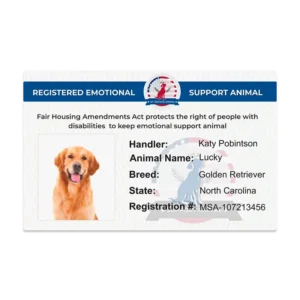
- An official ESA ID card
- Registration in the National Service Animal Registry
- Digital access for instant verification
Step 3: Get Supporting Documentation
Strengthen your legal position with:
- ESA certificate — official emotional support animal documentation
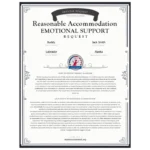
- Housing accommodation request letter — a pre-formatted letter to present to your landlord
- ESA vest — visual identification to prevent confrontations
The ESA premium registration bundle includes all documents, an ESA vest, and full support at a discounted price.
Companion Dog Requirements
Whether kept as a pet or registered as an ESA, companion dogs should meet these basic requirements:
- Good temperament. The dog should be well-socialized, non-aggressive, and comfortable in various environments.
- Basic obedience. Sit, stay, come, and leash manners are essential for any companion animal.
- Health compliance. Current vaccinations, regular veterinary checkups, and appropriate parasite prevention.
- Cleanliness. Regular grooming and hygiene — especially important for housing situations.
Your Rights with an ESA Companion Dog
Once your companion dog is registered as an ESA, you are protected under the Fair Housing Act:
- Landlords cannot charge pet fees or deposits for your ESA.
- Breed and weight restrictions do not apply to emotional support animals.
- Your landlord must provide reasonable accommodation even in “no pets” properties.
Register Your Emotional Support Animal Today
Get your ESA registration and ID card, an emotional support animal certificate, or a housing accommodation request letter to secure your housing rights. The ESA premium registration bundle includes all documents, an ESA vest, and full support from our Service Animal Registry.
Companion Dog and ESA Laws in California, Texas, Florida, and NY
Housing laws for companion dogs and ESAs are federally protected by the Fair Housing Act, meaning the core rules apply anywhere in the USA. However, states like California and New York have introduced additional local guidelines for ESA letters (such as requiring a 30-day provider relationship in CA). Regardless of your state—whether you are renting in Texas or Florida—a valid ESA letter from a licensed professional guarantees your right to keep your companion dog. ESA registration serves as a helpful supplementary tool nationwide.

Related: therapy dogs
Related: service animals
Frequently Asked Questions
A companion dog is any dog whose primary purpose is to provide companionship, emotional comfort, and social interaction to its owner. Unlike service dogs, companion dogs are not trained to perform specific disability-related tasks.
Not automatically. A companion dog becomes an ESA only when prescribed by a licensed mental health professional as part of a treatment plan. Without that designation, a companion dog is legally classified as a pet.
Companion dog certification typically refers to ESA registration — the process of documenting your companion dog’s status as an emotional support animal for housing and identification purposes.
No. Only ADA-defined service dogs have guaranteed public access rights. ESA companion dogs have housing protections under the Fair Housing Act but are not guaranteed access to restaurants, stores, or other public spaces.
The content on this website is for informational purposes only and does not constitute professional medical advice, diagnosis, treatment, or legal counsel.
Still Unsure If You Qualify?
Skip the confusion. Take a 3-minute assessment to see what your animal legally needs.
U.S handlers trust MyServiceAnimal