10 Best Emotional Support Cats Breeds
Did you know that spending just 10 minutes with an assistance animal can significantly lower your stress levels, with some studies showing cortisol reductions of up to 26%? But the therapeutic benefits of cats go even deeper than a temporary mood boost. The physical act of a cat’s purring occurs at a frequency of 25-50Hz. This specific range exactly matches the low-frequency vibrations used in clinical physical therapy to promote bone healing, reduce inflammation, and improve joint mobility.
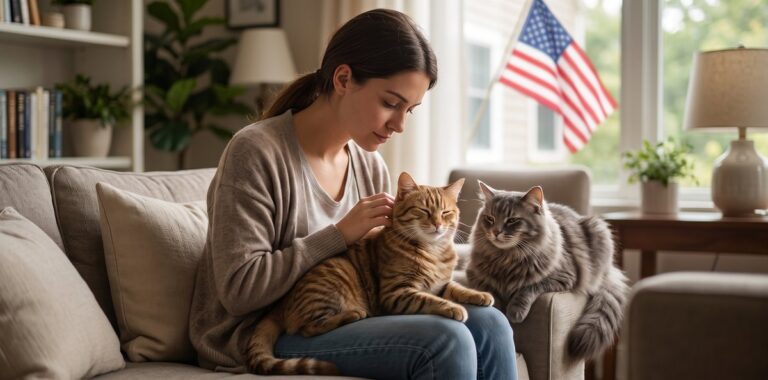
If you struggle with anxiety, depression, or a mood disorder, science proves what cat lovers have always known: your feline companion is biologically built to comfort you. When you hold an affectionate cat, your brain releases oxytocin—the “love hormone”—which immediately combats feelings of loneliness and panic. Finding the right emotional support animal means looking for a temperament that complements your lifestyle and emotional needs.
Let’s explore the science of feline therapy, highlight the best emotional support cat breeds, and explain how to properly register your cat as an ESA your support animal so you can secure your housing and travel rights without friction.
Why Cats Are Built for Emotional Support
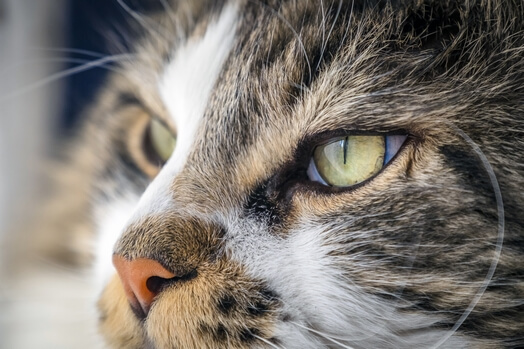
Cats have a reputation for being aloof and fiercely independent, but anyone who has shared their home with a feline knows this is a massive misconception. A well-socialized cat forms a profound, empathetic bond with their human counterpart. They are highly observant, reading human body language, facial expressions, and vocal tones with remarkable accuracy. This emotional intelligence allows them to intuitively sense when you are experiencing a panic attack, a depressive episode, or simply a stressful day.
When an assistance animal senses distress, they often respond with natural grounding behaviors. They might knead your chest with their paws, rest their heavy head on your lap, or start purring deeply. That purr is not just a cute sound; it is a powerful biological tool. Extensive research shows that the physical vibrations of a cat’s purr, which consistently range between 25-50Hz, actively stimulate tissue regeneration, decrease pain, and reduce swelling. So, when your cat curls up on your chest and purrs during a difficult emotional moment, they are literally providing a highly evolved form of acoustic and vibrational therapy.
Additionally, caring for an assistance animal creates a mandatory, life-saving daily routine. Feeding, grooming, and playing with your cat forces you to get out of bed, establish a schedule, and stay grounded in the present moment. For individuals managing severe anxiety or clinical depression, having an animal that relies entirely on them provides a vital sense of purpose and structure. The simple act of brushing your cat’s fur or engaging them with a feather wand can interrupt catastrophic thinking patterns and bring your focus back to a safe, controlled environment.
The 10 Best Cat Breeds for Emotional Support
While any mixed-breed shelter cat can become a wonderful support animal, certain purebreds are genetically predisposed to be exceptionally docile, affectionate, and people-oriented. Here are the top ten breeds that consistently excel as emotional support animals, providing reliable and life-changing comfort.
 Resolves 80% of housing disputes instantly
Emotional Support Animal Registration
 Instant Digital ID
 Free Shipping
 5-Min Process


1. Ragdoll
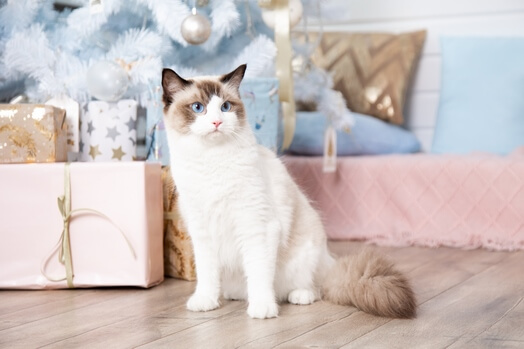
Temperament: Docile, affectionate, and famously relaxed.
Why they excel as an ESA: Ragdolls earn their name from their tendency to go completely limp when you pick them up. They are incredibly trusting and thrive on physical touch. If you need a companion that feels like a living, breathing weighted blanket, the Ragdoll is an ideal choice. They are deeply loyal and prefer to be in the same room as you at all times. Their relaxed nature means they rarely become agitated or stressed by sudden noises or changes in routine, which is vital for someone who needs a stabilizing presence during high-anxiety moments. They will happily lie beside you for hours, offering quiet, reassuring companionship without being overly demanding of your energy.
Care Level: Moderate. Their long, silky coat requires regular brushing to prevent tangles, but their energy level is relatively low. They are generally content to lounge indoors and do not require extensive vertical space or rigorous exercise routines, making them perfect for apartment living.
2. Maine Coon
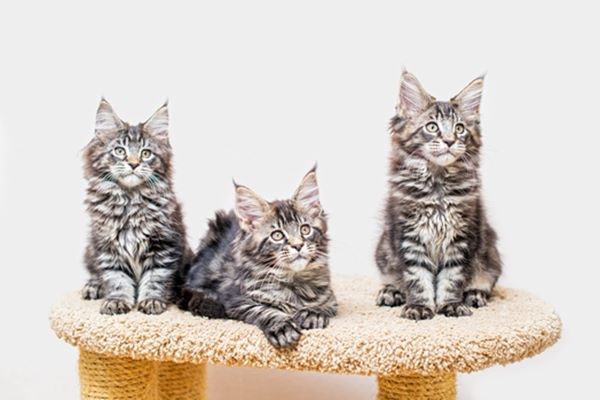
Temperament: Intelligent, gentle, and highly observant.
Why they excel as an ESA: Known as the “gentle giants” of the feline world, Maine Coons are substantial, grounding presences. They are incredibly in tune with human emotions and often act like dogs, following their owners from room to room. Their large size makes them highly comforting during a panic attack, as their physical weight provides immediate deep pressure therapy. Additionally, their vocal, chirping nature provides interactive companionship, preventing the silence of an empty house from becoming overwhelming. They form strong, communicative bonds with their handlers and are exceptionally patient.
Care Level: Moderate to High. They are large animals that need space, interactive play, and consistent grooming for their thick, shaggy fur. Because they are highly intelligent, they also benefit from puzzle toys and clicker training to keep their minds engaged and prevent behavioral issues.
3. Persian
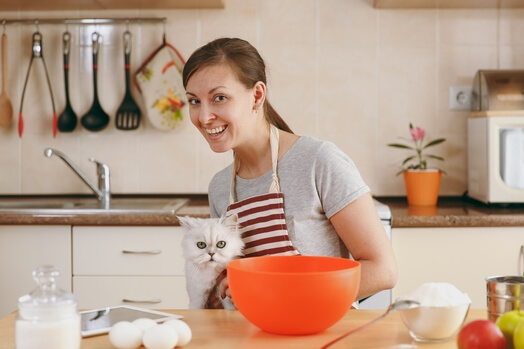
Temperament: Quiet, serene, and laid-back.
Why they excel as an ESA: If your environment needs to be quiet and peaceful to keep your anxiety at bay, a Persian is a perfect match. They are quintessential lap cats that prefer lounging quietly beside you rather than climbing curtains or racing through the halls. Their steady, predictable nature makes them excellent for individuals who become easily overwhelmed by high-energy animals or chaotic movements. Persians thrive on routine and gentle handling, offering a deeply calming presence that can lower your heart rate simply by sitting nearby.
Care Level: High. Their luxurious, flat-faced coat requires daily grooming to prevent matting, and their eyes often need wiping. Potential owners must be prepared for the financial and temporal commitment of maintaining a Persian’s coat, as severe matting can cause the animal physical pain and stress.
4. Siamese
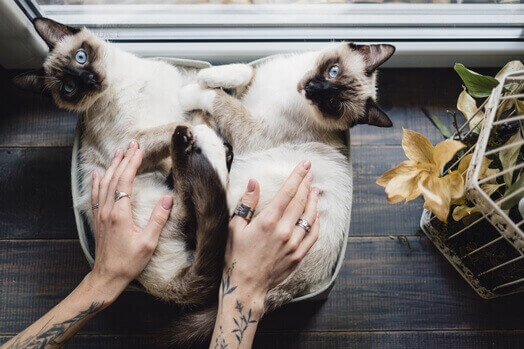
Temperament: Vocal, social, and extremely loyal.
Why they excel as an ESA: The Siamese is not for someone who wants an invisible companion. They are highly interactive and will literally “talk” to you all day long with their distinct, raspy meows. For someone dealing with severe loneliness, isolation, or depression, a Siamese forces engagement. They form intense, almost dog-like bonds with their primary caregiver and will actively seek out your attention when you are feeling down. Their demanding affection ensures that you never feel truly alone, and their vibrant personality can inject much-needed joy into a dark day.
Care Level: Moderate. They have short coats that are easy to maintain, but they require a high amount of social interaction and mental stimulation. Leaving a Siamese alone for extended periods can lead to separation anxiety, so they are best suited for individuals who work from home or are retired.
5. Scottish Fold
Temperament: Sweet, adaptable, and affectionate.
Why they excel as an ESA: With their unique folded ears and round faces, Scottish Folds look remarkably like owls, giving them an inherently comforting, soft appearance. Beyond their adorable looks, they are incredibly sweet-tempered and adjust exceptionally well to new environments. This adaptability makes them excellent companions for individuals who travel frequently or live in busy households. They are deeply affectionate without being overly demanding, happy to sit near you or participate in quiet play without requiring constant attention.
Care Level: Moderate. Their folded ears require careful, regular cleaning to prevent ear infections, and they can be prone to certain genetic joint issues. It is vital to monitor their mobility as they age and maintain a healthy weight to reduce stress on their skeletal system.
6. Birman
Temperament: Balanced, gentle, and patient.
Why they excel as an ESA: Birmans represent the perfect middle ground of the feline world. They are playful but not hyperactive, affectionate but not clingy, and vocal but not overwhelmingly loud. They have a very soft, unassuming presence and are known to be exceptionally patient, making them great for families with children or individuals who need a steady, uncomplicated companion. Their tranquil demeanor means they are unlikely to exacerbate anxiety, and their soft, loving nature provides reliable emotional support day after day.
Care Level: Moderate. Their single-layer coat is surprisingly easy to groom compared to other long-haired breeds, as it is less prone to matting, but they still need routine brushing to keep it soft and healthy.
7. Burmese
Temperament: Energetic, playful, and deeply attached.
Why they excel as an ESA: Burmese cats are sometimes described as “bricks wrapped in silk” due to their muscular build and incredibly soft coats. They are highly energetic and retain a kitten-like playfulness well into adulthood. If you need an assistance animal to motivate you to get up, play, and engage with the physical world, a Burmese will happily pull you out of a depressive slump with their athletic antics. They are also incredibly cuddly once their energy is spent, happily burrowing under the covers with you at night.
Care Level: Low to Moderate. Their short coat is exceptionally low-maintenance, but their high intelligence and energy levels mean they need plenty of interactive toys, climbing structures, and dedicated daily playtime to stay happy and balanced.
8. Sphynx
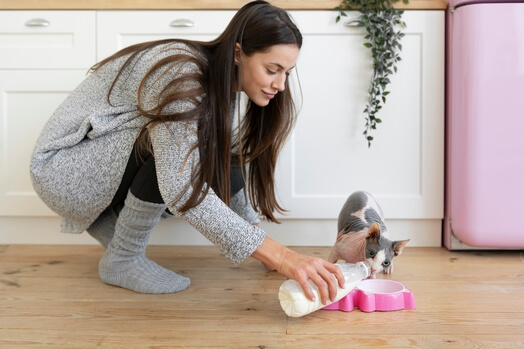
Temperament: Extroverted, cuddly, and deeply affectionate.
Why they excel as an ESA: Because the Sphynx lacks a traditional fur coat, they constantly seek out external sources of warmth—which usually means they want to be pressed tightly against your skin. This constant need for physical contact is incredibly soothing for individuals who crave tactile comfort and deep pressure therapy. They are highly social, extroverted, and love being the center of attention, bringing laughter and lightheartedness into any home. Their lack of boundaries when it comes to cuddling makes them phenomenal emotional support partners.
Care Level: High. Despite having no hair, they are not maintenance-free. They require regular baths to remove excess oils from their skin, their ears must be cleaned frequently, and they must be carefully protected from cold weather and direct sunlight to prevent sunburn.
9. Russian Blue

Temperament: Introverted, sensitive, and fiercely loyal.
Why they excel as an ESA: Russian Blues are typically shy or reserved around strangers, but they form an incredibly deep, unwavering, and exclusive bond with their primary owner. They are highly sensitive to their owner’s emotional states and will quietly appear by your side when they sense sadness, offering soft purrs and gentle headbutts. They are the perfect support animal for someone living alone who wants a quiet, intensely loyal companion that respects boundaries but is always there when it truly matters.
Care Level: Low. Their dense, plush, short coat requires very minimal grooming, and they are generally independent and capable of entertaining themselves when you are away from home for a few hours.
10. Abyssinian
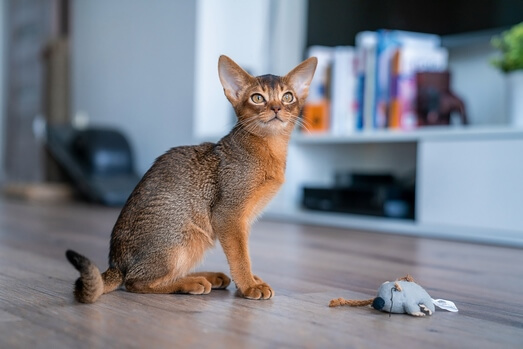
Temperament: Active, curious, and highly intelligent.
Why they excel as an ESA: The Abyssinian is a cat that simply loves to be involved in whatever you are doing. They are not typical lap cats that will sleep all day; instead, they will follow you around the house, watching you cook, clean, or work at your desk. For someone dealing with depression or apathy, an Abyssinian provides a constant, engaging presence that keeps you connected to your daily tasks. Their inquisitive nature and constant desire for interaction ensure that you stay active and mentally engaged throughout the day.
Care Level: Moderate. They have very low coat maintenance, but extremely high mental and physical maintenance. They need tall cat trees, complex puzzle toys, and active, rigorous play sessions to burn off their abundant energy and stay emotionally healthy.
Breed Comparison Summary
| Breed | Best For | Energy Level | Care Difficulty | ESA Suitability |
|---|---|---|---|---|
| Ragdoll | Tactile comfort, low anxiety | Low | Moderate | ★★★★★ |
| Maine Coon | Interactive, grounding presence | Moderate | High | ★★★★★ |
| Persian | Quiet, serene environments | Low | High | ★★★★☆ |
| Siamese | Combatting loneliness | High | Moderate | ★★★★☆ |
| Scottish Fold | Adaptability, frequent travelers | Low/Moderate | Moderate | ★★★★★ |
| Birman | Balanced, patient companionship | Moderate | Moderate | ★★★★★ |
| Burmese | Motivation and active play | High | Low | ★★★★☆ |
| Sphynx | Constant physical contact | Moderate/High | High | ★★★★★ |
| Russian Blue | Introverts, single owners | Low | Low | ★★★★★ |
| Abyssinian | Engagement, routine building | High | Moderate | ★★★★☆ |
Best ESA Cat Breeds by Owner Lifestyle
Every household runs on a different rhythm. The breed that thrives with a freelance writer who never leaves the couch will crash and burn in the home of a paramedic pulling 48-hour rotations. Matching your cat’s temperament to your actual daily schedule is the single most important decision you will make as a future ESA owner. Below is a breakdown of the best kitten breeds and adult cats for specific lifestyle demands, so you can skip the guesswork entirely.
Best Cat Breeds for First Responders & Military
First responders and active-duty military personnel face a unique challenge: their schedules are wildly unpredictable. A 12-hour shift can stretch to 36 without warning, and high-adrenaline days are followed by crash periods spent completely alone at home. The best kitten breeds for first responders need two non-negotiable qualities: genuine independence during long absences and immediate, deep affection the moment you walk through the door.
Top picks: The Russian Blue and the Scottish Fold are purpose-built for this lifestyle. Russian Blues are content to self-regulate for extended stretches, quietly patrolling the apartment and sleeping in sunbeams, but the second they hear your key in the lock, they appear and press against your legs with a deep, restorative purr. Scottish Folds share this adaptability and add an extra layer of emotional intelligence — they seem to instinctively know when you have had a traumatic call and will sit silently on your lap, providing grounding pressure without demanding anything in return. Both breeds handle irregular noise patterns (scanners, radios, alarms) without startling, which is critical in a first-responder household.
Best Cat Breeds for Nurses & Healthcare Workers
Nurses, CNAs, and healthcare workers pull grueling 12-hour shifts, often cycling between day and night rotations week to week. Compassion fatigue is rampant, and when you spend your entire workday caring for others, the last thing you need is an animal that aggressively demands attention the instant you collapse on the couch. The best cat breeds for nurses are affectionate but respectful — companions that offer comfort without adding another caregiving obligation to your plate.
Top picks: The Ragdoll and the Birman are ideal for healthcare professionals. Ragdolls will literally melt into your arms after a brutal night shift, providing deep-pressure relaxation without needing anything more than your presence. Their famously docile temperament means they will not destroy the apartment while you are gone for 14 hours. Birmans add a balanced, patient personality that mirrors the quiet strength nurses need in their home life — affectionate enough to curl up beside you during recovery naps, but independent enough to entertain themselves with a window perch when you are on the clock.
Best Kitten Breeds for People with Disabilities
For individuals living with physical disabilities, chronic pain conditions, or limited mobility, the right ESA cat can dramatically improve daily quality of life. The best kitten breeds for people with disabilities are highly trainable, emotionally intuitive, and naturally gravitate toward their owner’s physical space without needing to be chased around the house. Cats that can be taught to respond to vocal cues and that instinctively provide lap-based contact are especially valuable.
Top picks: The Maine Coon and the Siamese stand out in this category. Maine Coons are famously trainable — they respond to verbal commands, learn to fetch, and can be taught to come when called, reducing the need for an owner with limited mobility to physically search for their animal. Their substantial weight (often 15–25 lbs) provides natural deep-pressure therapy when they settle on your lap or chest. Siamese cats are equally intuitive; their intense loyalty means they rarely leave your side, and their vocal nature allows for a genuine two-way communicative bond that combats isolation without requiring physical effort from the handler.
Best Cats for Anxiety & Depression
When anxiety pins you to the bed or depression drains every ounce of motivation, you need a cat that does two things at once: provides tactile, neurological comfort and gently forces you to engage with the world. Heavy purrers and compulsive cuddlers are clinically proven to lower cortisol levels and stimulate oxytocin release, making them living, breathing anti-anxiety medication.
Top picks: The Sphynx and the Persian dominate this category. Sphynx cats are essentially heat-seeking missiles — because they lack fur, they physically need your body warmth and will press against your skin constantly, providing uninterrupted deep-pressure and tactile stimulation that directly interrupts anxious thought loops. Persians take the opposite approach: their quiet, meditative presence acts as a natural sedative. Simply watching a Persian breathe slowly on your lap can regulate your own respiratory rate and bring you out of a panic spiral. For severe depression specifically, the Burmese is a dark horse pick — their relentless playfulness and refusal to let you sit still can break through apathy when nothing else works.
ESA vs Service Animal — What Cat Owners Need to Know
When discussing assistance animals, it is absolutely critical to understand the legal distinction between an Emotional Support Animal (ESA) and a Service Animal under federal law. Misunderstanding these terms can lead to significant legal friction and public access issues.
A Service Animal is specifically and narrowly defined by the Americans with Disabilities Act (ADA) as a dog (or in very rare, specific cases, a miniature horse) that is individually trained to perform specific tasks or do work for a person with a physical, sensory, psychiatric, intellectual, or other mental disability. For example, a service dog might be explicitly trained to alert a diabetic owner to dangerously low blood sugar, guide a visually impaired handler through crowded streets, or provide deep pressure therapy to stop a psychiatric panic attack on command. Because cats cannot be trained to perform these specific, life-saving tasks in the same reliable, command-driven manner as dogs, cats cannot be legally classified as Service Animals under the ADA. Therefore, they do not have the legal right to enter grocery stores, restaurants, movie theaters, or other public spaces that strictly prohibit animals.
An Emotional Support Animal (ESA), on the other hand, provides therapeutic benefit simply through their presence and companionship. They do not require specialized task training. Their primary role is to alleviate the symptoms of a diagnosed psychological or emotional disability, such as severe depression, generalized anxiety disorder, or PTSD. While ESAs do not have public access rights to retail stores or restaurants, they do have extremely powerful and significant housing protections under federal law.
How to Legally Protect Your Cat’s ESA Status
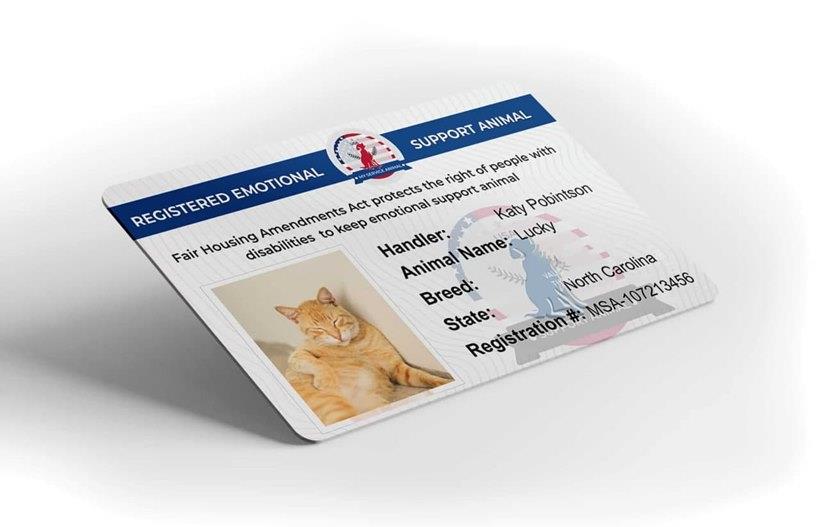
Under the Fair Housing Act (FHA), landlords, property managers, and housing providers must make reasonable accommodations for individuals with legitimate Emotional Support Animals. This means that even if an apartment building or condo association has a strict “no animal” policy, or imposes specific breed and weight restrictions, they cannot legally deny your housing based on your assistance animal. Additionally, landlords are strictly prohibited from charging you exorbitant “animal rent,” additional security deposits, or breed-specific fees. Legally, an ESA is not considered a traditional companion animal; they are viewed as a medical necessity, similar to a wheelchair or prescription medication.
To officially secure these vital housing rights, you must obtain a legitimate ESA letter from a licensed mental health professional (LMHP) who is actively treating your psychological condition. This letter serves as your official medical prescription, stating that you have a qualifying disability and that your cat provides necessary therapeutic support.
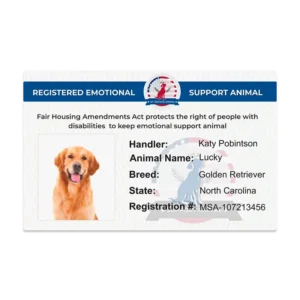
Once you have your medical letter, it is highly recommended to register your assistance animal in a recognized national database. While voluntary registration itself does not legally replace the medical letter from your doctor, having a digital ID and professional, physical documentation significantly reduces friction with difficult or uneducated landlords. When you present an official ID card, a registration certificate, and your housing request simultaneously, it demonstrates that you fully understand your legal rights, are a responsible handler, and have properly documented your animal’s status. Get your cat registered instantly, present your documentation confidently, and enjoy the peace of mind knowing that your housing rights are fully protected and you will never be separated from your beloved companion.
FAQ
Can any breed of cat be an emotional support animal?
Yes, absolutely. While purebreds like Ragdolls and Maine Coons have very predictable temperaments that are highly suited for therapeutic work, a mixed-breed rescue cat can be just as effective. When choosing a support animal, the most important factor is the individual animal’s unique personality, their socialization, and the specific, empathetic bond you share with them. Many shelter cats make outstanding, lifelong therapeutic companions.
Do I need to train my cat to be an ESA?
No specialized task training is required for an Emotional Support Animal, unlike a Service best ESA dog breeds. However, your cat should be generally well-behaved, reliably house-trained (litter box trained), and must not pose a danger, threat, or significant nuisance to others in your housing community or apartment building.
Can a landlord legally deny my emotional support cat?
Under the Fair Housing Act, a landlord generally cannot deny a legitimate ESA. However, there are a few rare, specific exceptions: if the specific animal causes significant property damage, poses a direct threat to the health and safety of others, or if the landlord lives in a small owner-occupied building (usually four units or less), they may be exempt from the standard FHA requirements.
Can I bring my emotional support cat on an airplane for free?
Currently, under recent changes to Department of Transportation (DOT) rules, airlines are no longer legally required to accommodate Emotional Support Animals in the cabin for free. Your cat must now fly under standard airline rules, which usually involves keeping them enclosed in an airline-approved carrier under the seat in front of you and paying the applicable fee required by the specific airline.
How do I get an official ESA letter for my cat?
You must consult directly with a licensed mental health professional (LMHP), such as a psychologist, psychiatrist, licensed clinical social worker, or licensed counselor. If they evaluate you and determine that your condition qualifies as a mental health disability under the DSM-5, and that a support animal would alleviate your symptoms, they will write you a formal, signed ESA letter on their professional letterhead.
The content on this website is for informational purposes only and does not constitute professional medical advice, diagnosis, treatment, or legal counsel.
Still Unsure If You Qualify?
Skip the confusion. Take a 3-minute assessment to see what your animal legally needs.
U.S handlers trust MyServiceAnimal