Miniature Horse Service Animal — ADA Rules, Tasks, and How to Get One
Can a Miniature Horse Be a Service Animal?
Yes. Under the Americans with Disabilities Act (ADA), miniature horses are the only species besides dogs recognized as service animals. This unique legal status means a properly trained miniature horse can accompany its handler into restaurants, stores, hospitals, and other public spaces — just like a service dog.
Unlike emotional support animals, which provide comfort through companionship alone, a miniature horse service animal must be individually trained to perform specific tasks directly related to a person’s disability.
Why Choose a Miniature Horse Over a Service Dog?
Miniature horses offer several distinct advantages that make them the preferred choice for certain handlers:
 Resolves 80% of housing & airline access issues instantly
Service Animal Registration
 Instant Digital ID
 Free Shipping
 5-Min Process


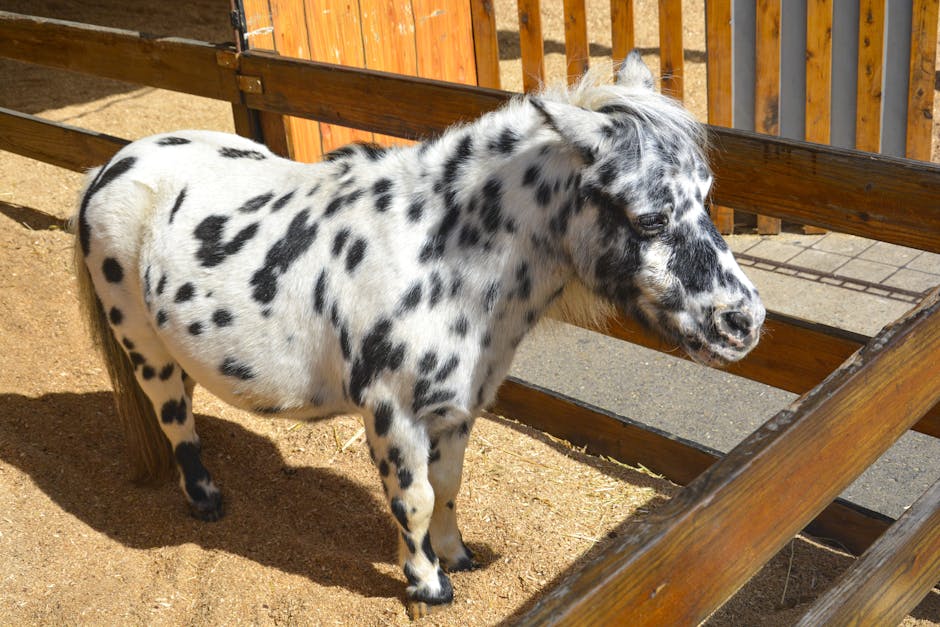
- Longer lifespan: Miniature horses live 25–35 years, compared to 10–15 years for most service dogs. This means fewer retraining cycles and a longer working partnership.
- Greater strength: They can provide physical support for handlers who need balance assistance or mobility guidance, especially individuals who are taller or heavier.
- Hypoallergenic option: For people with severe dog allergies, a miniature horse eliminates the allergic barrier entirely.
- Calm temperament: Miniature horses are naturally calm and less easily distracted in crowded or noisy environments.
- Excellent memory: Horses can remember routes and locations, making them outstanding guide animals for the visually impaired.
What Tasks Can a Miniature Horse Service Animal Perform?
The ADA requires that any service animal — including miniature horses — be trained to perform at least one task directly related to the handler’s disability. Common tasks include:
Mobility and Balance Support
Miniature horses can brace against a handler’s body to prevent falls, pull a wheelchair, or provide a stable anchor point when navigating stairs or uneven terrain. Their low center of gravity (typically 24–34 inches at the shoulder) and strong build make them exceptionally reliable mobility partners.
Guide Work for the Visually Impaired
The Guide Horse Foundation pioneered the use of miniature horses as guide animals. Their wide field of vision (nearly 350 degrees), excellent night vision, and natural tendency to avoid obstacles make them highly effective guides.
Psychiatric Support Tasks
Miniature horses can be trained to recognize signs of anxiety attacks, PTSD episodes, or dissociative states and respond with trained interventions — such as applying deep pressure, leading the handler to a safe area, or interrupting self-harming behaviors.
Seizure Alert and Response
Some miniature horses are trained to detect the onset of seizures and alert the handler or bystanders, then position themselves to prevent injury during the episode.
ADA Requirements for Miniature Horse Service Animals
The ADA applies a slightly different assessment for miniature horses than for service dogs. Under 28 CFR § 35.136, businesses and public entities must consider four factors:
- Type, size, and weight — The horse must be small enough to be accommodated in the facility.
- Handler control — The handler must maintain full control of the horse at all times.
- Housebroken status — The horse must be reliably housebroken.
- Safety — The horse’s presence must not compromise the safe operation of the facility.
If all four factors are met, the facility must allow the miniature horse, even if their general policy prohibits animals.
Miniature Horse Service Animal vs. Emotional Support Animal
It’s critical to understand the distinction:
| Feature | Miniature Horse Service Animal | Emotional Support Animal |
|---|---|---|
| Legal Protection | ADA (public access + housing) | Fair Housing Act (housing only) |
| Task Training Required | Yes — specific disability-related tasks | No — comfort through presence |
| Public Access Rights | Yes — restaurants, stores, hospitals | No |
| Species Allowed | Dogs and miniature horses only | Any species |
| Documentation | No certification required (but recommended) | ESA letter from licensed therapist |
If your animal provides emotional comfort but is not task-trained, it may qualify as an emotional support animal instead. You can register your ESA here to receive official documentation.
How to Get a Miniature Horse Service Animal
Acquiring and training a miniature horse service animal is a multi-step process:
Step 1: Evaluate Your Needs
Consult with your healthcare provider to determine whether a service animal would benefit your specific disability. A miniature horse is ideal if you need significant physical support, have dog allergies, or prefer a longer-lived working animal.
Step 2: Find a Reputable Trainer
Look for trainers who specialize in equine service animal training. The Guide Horse Foundation is a well-known organization, but there are independent trainers across the country. Training typically takes 1–2 years.
Step 3: Prepare Your Living Space
Miniature horses need outdoor access and a clean area for rest. Under the Fair Housing Act, landlords must make reasonable accommodations — but the practicalities of housing a horse differ significantly from a dog.
Step 4: Register Your Service Animal
While the ADA does not require registration, having official documentation can prevent access disputes. Register your service animal with MyServiceAnimal to receive a certificate, ID card, and database entry that businesses and landlords can verify.
The content on this website is for informational purposes only and does not constitute professional medical advice, diagnosis, treatment, or legal counsel.
Still Unsure If You Qualify?
Skip the confusion. Take a 3-minute assessment to see what your animal legally needs.
U.S handlers trust MyServiceAnimal

FAQ
As of 2021, the Department of Transportation’s revised rules only require airlines to accommodate trained service dogs. Miniature horses may be denied boarding at the airline’s discretion, though some airlines accommodate them on a case-by-case basis.
Expect to invest $10,000–$50,000 for a fully trained miniature horse service animal, depending on the complexity of task training and the source organization.
Yes. Miniature horses can be reliably housebroken and trained to wear specialized shoes (sneakers) for indoor surfaces. Many handlers report that their horses are as clean and predictable indoors as a well-trained dog.
The most common breeds are Falabellas and American Miniature Horses, both of which typically stand under 34 inches at the shoulder. Temperament, health, and trainability are more important than breed.
The ADA does not require documentation for public access. However, the Fair Housing Act may require a letter from a healthcare provider for housing accommodations. Having a service animal registration provides additional verification that can simplify interactions with landlords and businesses.
Can a Miniature Horse Be a Service Animal?Yes. Under the Americans with Disabilities Act (ADA), miniature horses are the only species besides dogs recognized as service animals. This unique legal status means a properly trained miniature horse can accompany its handler into restaurants, stores, hospitals, and other public spaces — just like a service dog.
Why Choose a Miniature Horse Over a Service Dog?Miniature horses offer several distinct advantages that make them the preferred choice for certain handlers:
What Tasks Can a Miniature Horse Service Animal Perform?The ADA requires that any service animal — including miniature horses — be trained to perform at least one task directly related to the handler’s disability. Common tasks include:
Are miniature horses allowed on airplanes?As of 2021, the Department of Transportation’s revised rules only require airlines to accommodate trained service dogs. Miniature horses may be denied boarding at the airline’s discretion, though some airlines accommodate them on a case-by-case basis.
How much does a trained miniature horse service animal cost?Expect to invest $10,000–$50,000 for a fully trained miniature horse service animal, depending on the complexity of task training and the source organization.