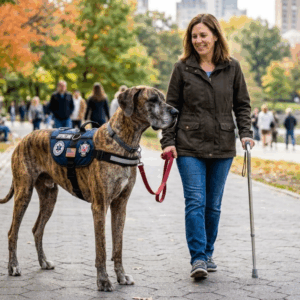
Finding clear answers about Emotional Support Animal (ESA) NC laws can be hard for renters and pet owners. North Carolina follows the federal Fair Housing Act (FHA), which protects people with emotional support animals from extra fees and discrimination in housing. This guide explains your legal rights, how to obtain a valid ESA letter, and what landlords in North Carolina are required to do.
Key Takeaways
- Housing Protection: The FHA protects NC residents who need ESAs for mental health, even in “no-pet” properties.
- No Extra Costs: Landlords cannot charge pet fees, deposits, or monthly “pet rent” for a documented ESA.
- Documentation: You must have a valid ESA letter from a licensed mental health professional (LMHP).
- Workplace & Travel: ESAs do not have the same public access rights as Service Animals under the ADA.
Housing Laws for Emotional Support Animals in North Carolina
In North Carolina, housing laws are designed to support individuals struggling with mental health conditions. The primary legislation governing these rights is the Fair Housing Act, which ensures that an assistance animal is viewed as a necessity rather than a pet.
Rights under the Fair Housing Act (FHA)
People in North Carolina with a diagnosed mental health condition can keep an ESA in their rental home. Property owners must make “reasonable accommodations,” which includes waiving “no-pet” policies.
“The Fair Housing Act protects renters who depend on assistance animals like ESAs for emotional support, ensuring they have equal opportunity to use and enjoy their dwelling.”
Landlord Restrictions and Exceptions
While protections are strong, there are specific boundaries landlords can maintain. Below is a comparison of how landlords must treat ESAs versus standard pets:
| Feature | Standard Pet | Emotional Support Animal (NC) |
|---|---|---|
| Pet Deposits | Required | Prohibited |
| Monthly Pet Rent | Common | Prohibited |
| Breed/Weight Limits | Applicable | Waived (Usually) |
| Documentation | None | Required (ESA Letter) |
Note: A landlord can only refuse an ESA if the animal poses a direct threat to the safety of others or causes significant physical damage to the property that cannot be reduced by another accommodation.
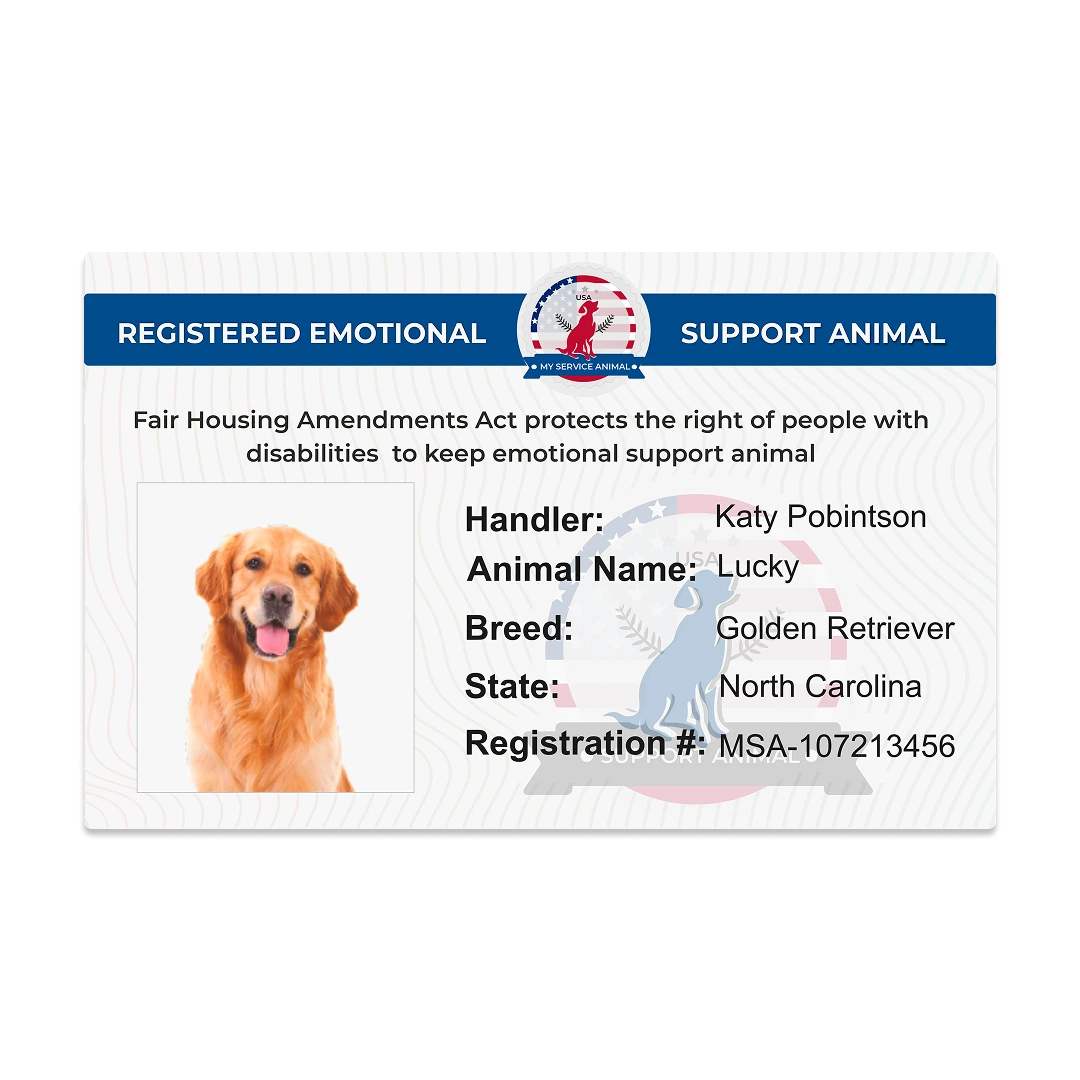
Emotional Support Animal Registration
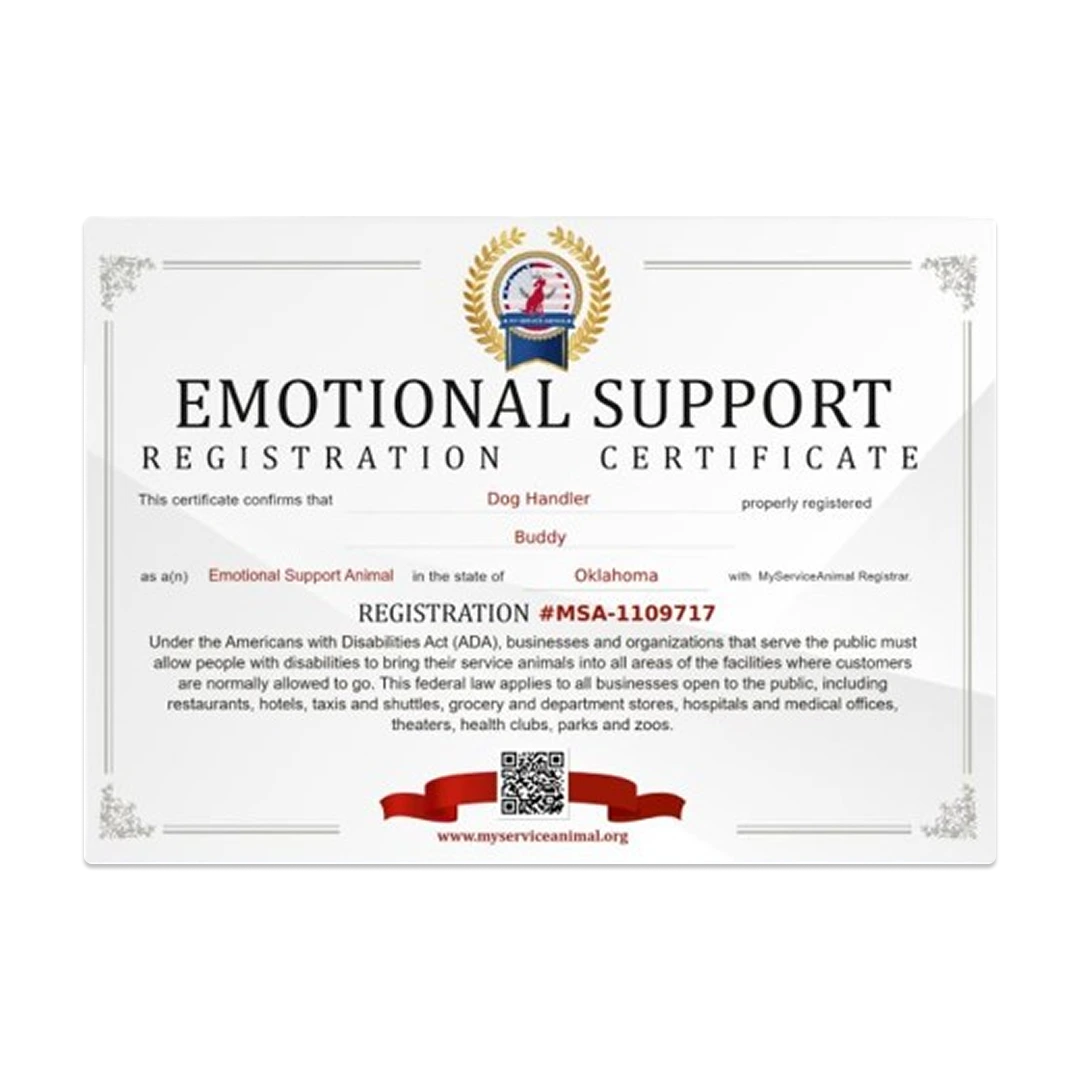
Emotional Support Animal Certificate
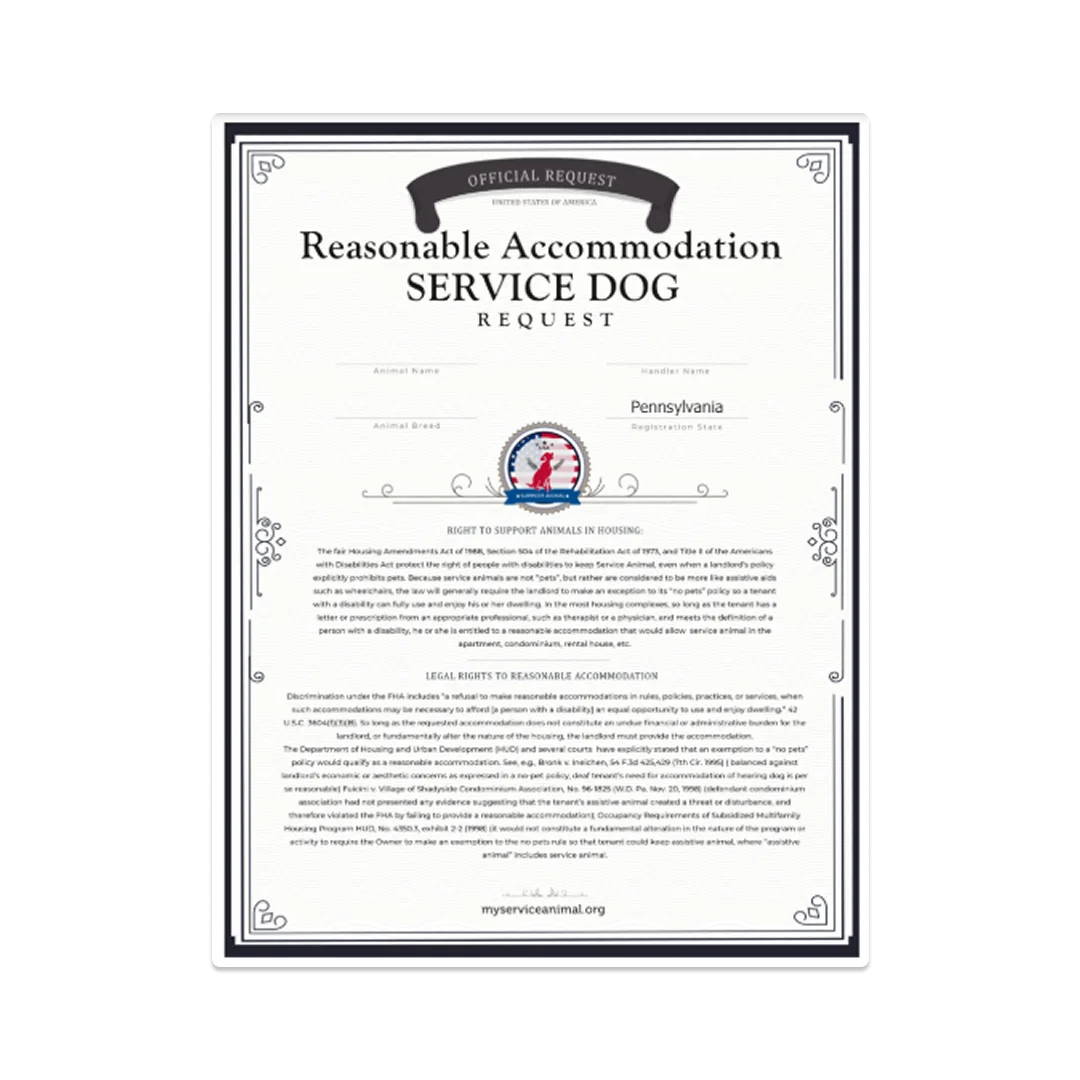
Housing Reasonable Accommodation Request
Employment Policies Related to ESAs in North Carolina
North Carolina employers are not required to allow emotional support animals in the workplace under the Americans with Disabilities Act (ADA). The ADA only grants this right to Service Animals (such as Guide Dogs or Psychiatric Service Dogs) that are specifically trained to perform tasks.
- Voluntary Policies: Some businesses in Raleigh or Charlotte may choose to allow ESAs.
- HR Requirements: If an employer considers your request, they may ask for documentation such as a psychiatric evaluation or a diagnosis based on DSM-5 standards.
Travel Regulations for Emotional Support Animals
Traveling with an ESA in North Carolina involves navigating different sets of rules depending on the mode of transport.
The Air Carrier Access Act (ACAA) previously allowed ESAs to fly for free, but recent changes mean most airlines now treat ESAs as pets. Travelers should always verify with airlines like American or Delta before arriving at the airport.