Service Dog Etiquette — Dos and Don’ts
Many people feel unsure or make mistakes around service dogs in public. Service Dog Etiquette helps the dog and its handler do their jobs without distractions. This guide gives simple dos and don’ts so you know what to do next time you see a working dog with a leash for service dogs.
Read on to learn how to show respect the right way.
Key Takeaways
- Always talk to the handler, not the service dog. Ask for permission before you pet or interact with the animal.
- Never touch, feed, or distract a service dog without asking first. These dogs must focus on helping their handlers.
- Keep your pets away from working service dogs to avoid stress and distractions for both animals and people.
- Give space and let handlers with service dogs pass; do not block their path in public places.
- Teach children that service dogs are workers, not pets. Kids should respect these animals by giving them space and not playing with them.
Dos for Interacting Properly with a Service Dog
When you see a service dog, talk to the handler first. Always ask before you pet or interact with the dog.
Speak to the handler, not the dog
Talk to the handler, not the service animal. Service dogs work hard and need to stay focused. Speaking or making sounds at them can distract them from their job and may put their human at risk.
Eye contact with the dog is also a bad idea, as it might seem threatening.
Do not ask about the person’s disability; this is personal information that does not need to be shared. Use direct language like “Excuse me, may I speak with you?” rather than talking to or about the dog.
Children should learn that these animals are working helpers, not pets for play.
“Engage with the handler rather than the service dog to avoid distractions.”
Next, it is important to always ask before petting a service dog.
Ask for permission before petting the service dog
Always ask the handler before you pet a service dog. This rule helps protect both the animal and its owner. Service dogs need to stay focused on their tasks. Touching, talking to, or feeding them without permission can distract them and cause problems for the person who depends on their help.
Speak directly with the handler instead of engaging with the dog. This shows respect and keeps everyone safe. Teach kids that these dogs are working animals and should not be disturbed or treated like regular pets.
By following this simple step, you support people who rely on service dogs in daily life.
Offer assistance to the handler if needed
Offer to help a handler if you see them having trouble. Speak clearly and ask, “Do you need any assistance?” If the person says no, respect their answer and do not keep asking.
Many handlers with service animals like guide dogs or hearing dogs prefer to work on their own unless they request help.
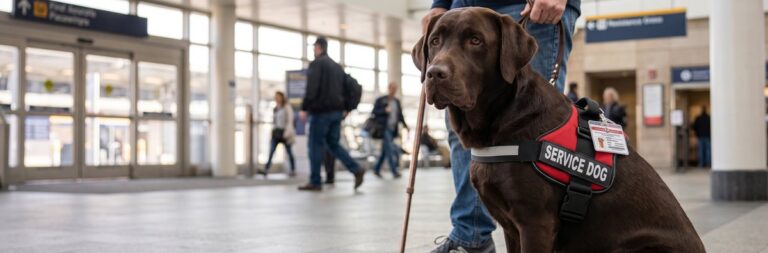
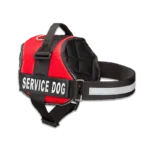
Handlers often use special tools like harnesses for guide dogs or vests with identification patches. These items show that the animal is working. Pay attention to these signals before offering help.
Next, discover some actions that are best to avoid when around service animals and their handlers.
Don’ts for Interacting with a Service Dog
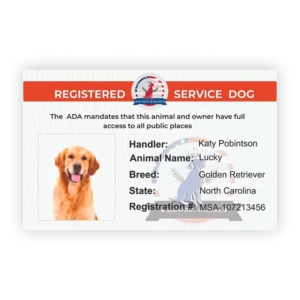
 Resolves 80% of housing & airline access issues instantly
Service Animal Registration
 Instant Digital ID
 Free Shipping
 5-Min Process


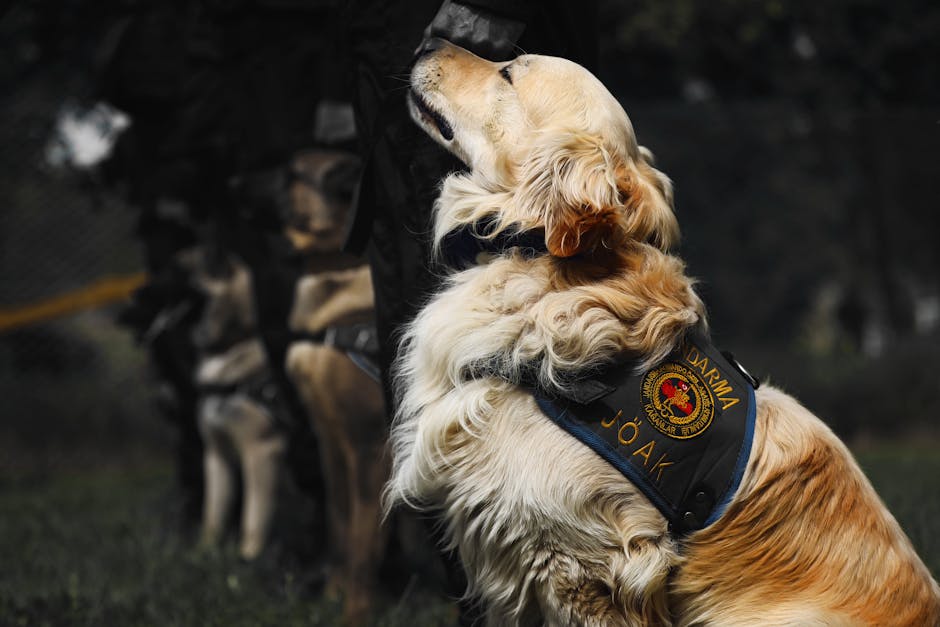
Do not touch or distract a service dog without asking the handler first. It’s also best to keep your pets away from a service dog to avoid stress for both dogs and their handlers.
Do not touch, distract, or feed the dog without permission
Touching, distracting, or feeding a service dog needs permission from the handler. These dogs are working animals. They must stay focused on their tasks. If you reach out to pet them or offer food, it can break their concentration.
This may cause problems for the person they assist.
Staring at a service dog can be seen as threatening. It is best to communicate with the handler instead of the dog. Keeping your own pets away is also important; they should not get close to a working dog.
Teaching children about this helps prevent distractions too. Giving space and respect allows these teams to do their work without interruption.
Avoid bringing your pets close to a service dog
Keep your pets at a safe distance from service dogs. Service dogs are working animals. They help their handlers with tasks and may need to focus on their job. If your pet gets too close, it can distract the service dog.
This distraction could interfere with important work.
It is vital for all pets to be controlled around service dogs. Teach children that these animals should not be petted or disturbed while they are working. Always respect the space of a service dog and its handler to ensure they can do their job without interruptions.
Giving Space and Respect
It is key to give space to the handler and the service dog. Always let them pass without blocking their way or crowding them.
Allow the handler and service dog the right of way
Service dogs and their handlers need space. They must perform their duties without distractions. Always give them the right of way in public areas. This means stepping aside when you see them coming.
Blocking their path can create problems for both the handler and dog. Respect this space to help keep everyone safe and focused on their tasks. Keep pets close to you so they do not interfere with a working dog.
Respect their personal space and avoid blocking their path
Allowing space is key. Always respect the personal space of service dogs and their handlers. Do not get too close or try to touch them without asking first. Service dogs need room to do their work.
Blocking their path can make it hard for them to help.
Keep in mind that handlers also deserve freedom of movement. If you see a service dog with its handler, step aside and let them pass easily. This shows that you understand their needs and helps keep everyone comfortable in public areas.
Get Your Service Dog Officially Registered
Whether you need a service dog registration and ID card, an official ADA service dog certificate, or a service dog vest for public identification — our Service Dog Registry provides everything you need. Save with the complete service dog registration kit that includes all essential documents and gear.
Conclusion
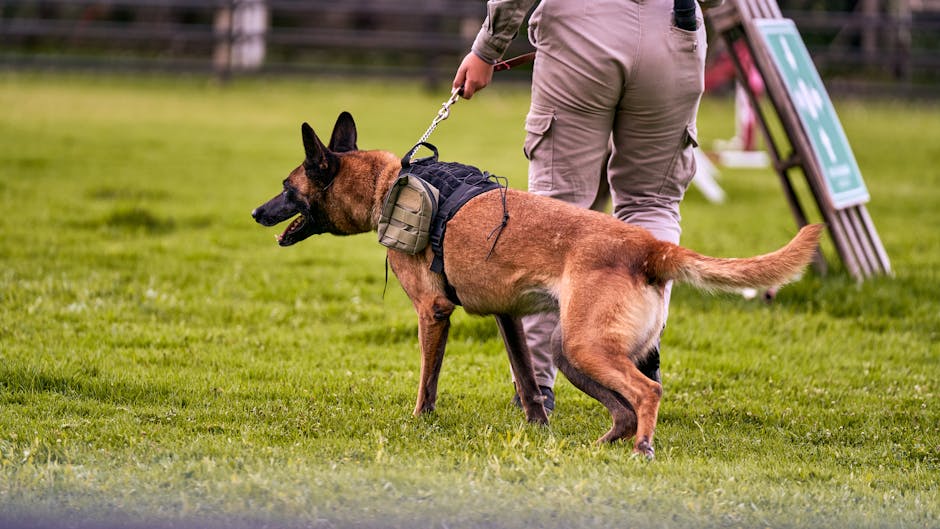
Respect is key when interacting with service dogs. Always speak to the handler first; they are in charge. Keep your distance and avoid distractions, as these dogs are working hard.
Teach kids to respect service dogs as workers, not pets. Your understanding helps everyone enjoy public spaces safely and happily.
Frequently Asked Questions
Under the ADA, a service animal is a dog individually trained to perform tasks directly related to a person’s disability. This includes guiding people who are blind, alerting people who are deaf, and performing other specific tasks.
No, the ADA does not require professional training. Owners can train their own service dogs. The key requirement is that the dog must be trained to perform at least one specific task related to the handler’s disability.
Businesses can only ask two questions: (1) Is this a service animal required because of a disability? (2) What task has the dog been trained to perform? They cannot ask for documentation or a demonstration.
The content on this website is for informational purposes only and does not constitute professional medical advice, diagnosis, treatment, or legal counsel.
Still Unsure If You Qualify?
Skip the confusion. Take a 3-minute assessment to see what your animal legally needs.
U.S handlers trust MyServiceAnimal