Are you worried about finding a suitable home with your emotional support animal (ESA) in Hawaii? Navigating the intersection of mental health needs and local housing regulations can be overwhelming. Fortunately, Emotional Support Animal Laws in Hawaii are designed to protect individuals who rely on companion animals for mental and emotional well-being.
This comprehensive guide breaks down federal and state statutes, details your housing rights, and explains the step-by-step documentation required to ensure your ESA is legally protected in the Aloha State.
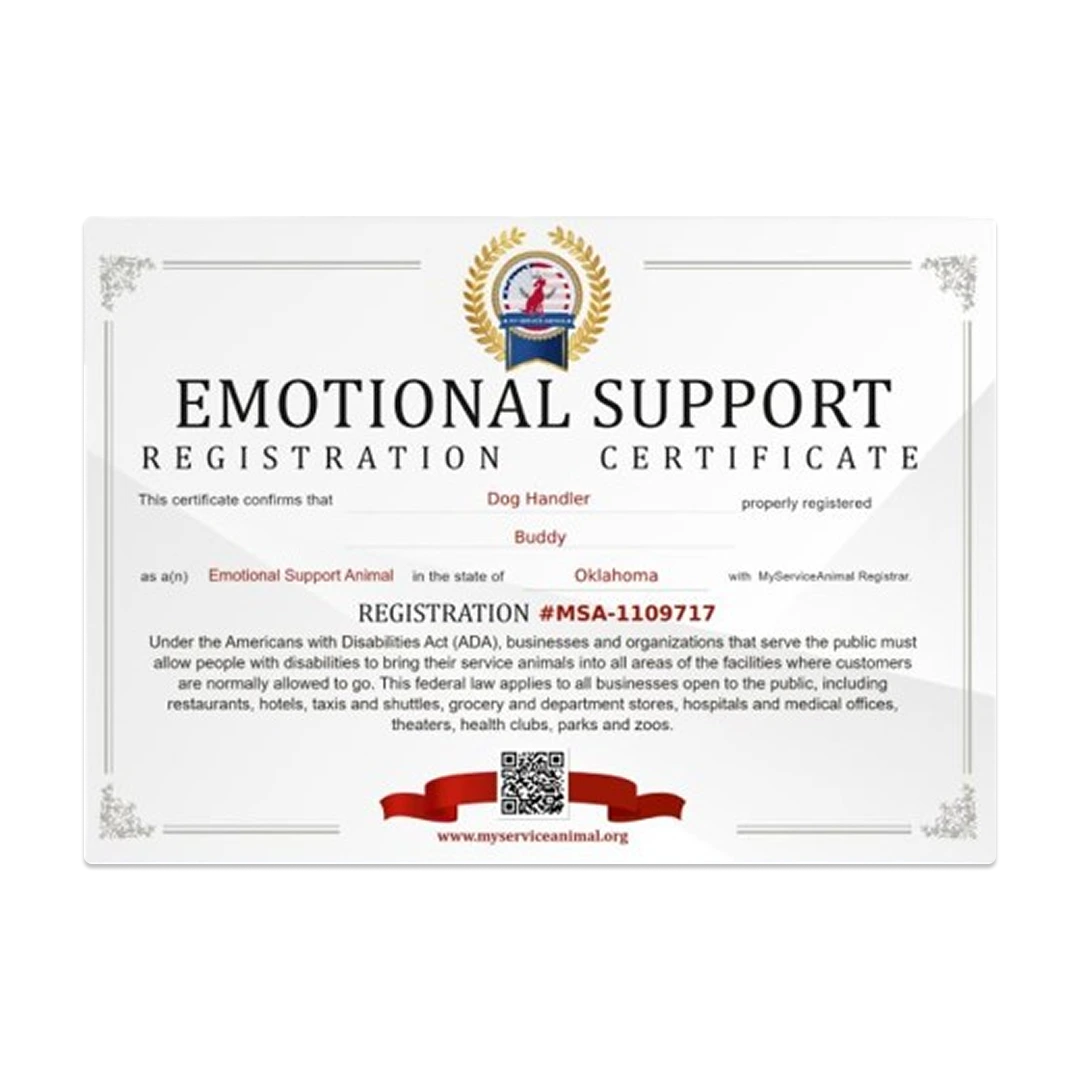
Emotional Support Animal Certificate

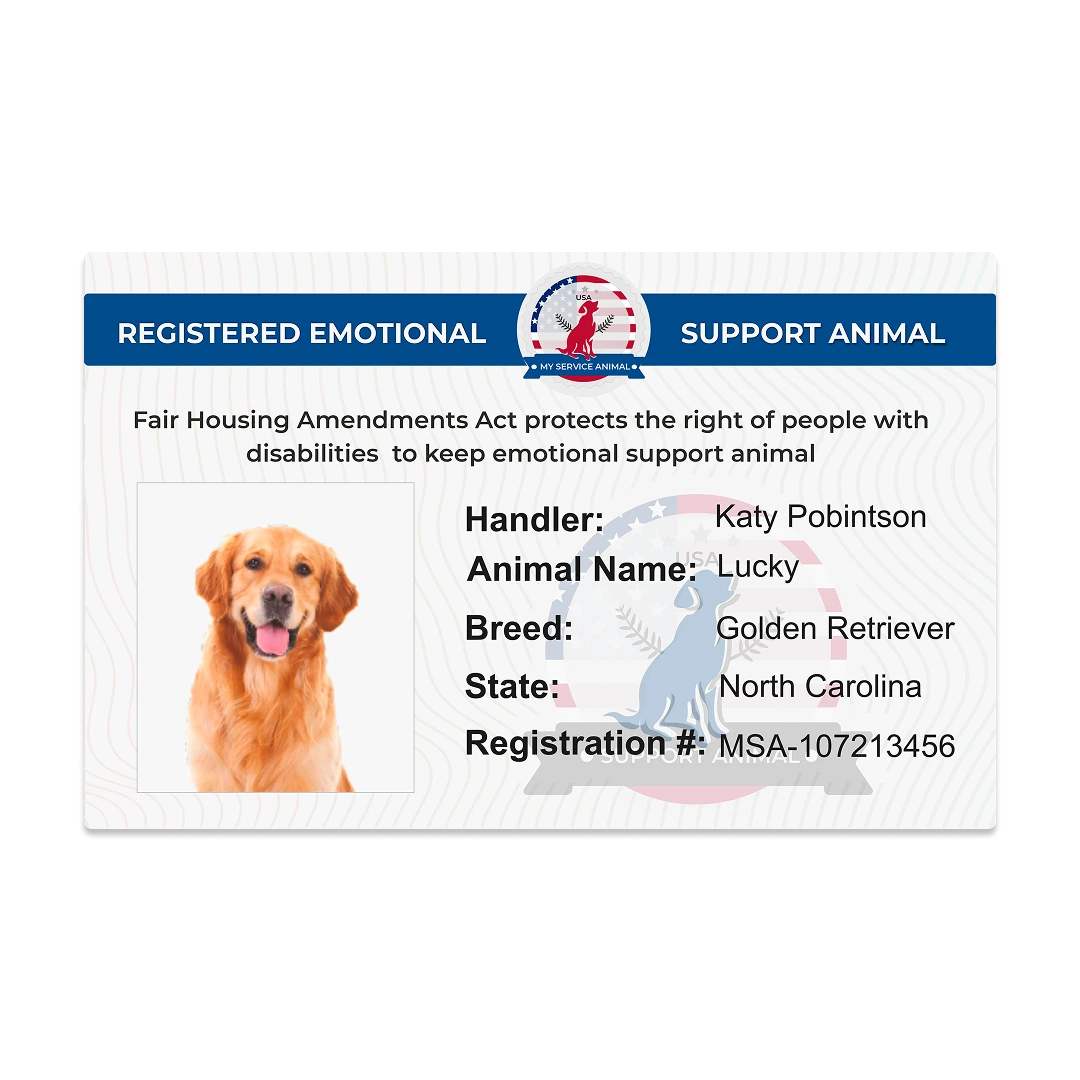
Emotional Support Animal Registration
Overview of Hawaii ESA Regulations and Protections
Hawaii enforces specific regulations regarding emotional support animals, relying heavily on federal frameworks while applying local civil rights protections. These laws guarantee that residents with diagnosed mental health conditions can live alongside their essential companion animals.
Federal Fair Housing Act (FHA) Mandates
The Federal Fair Housing Act (FHA) is the primary legal shield for ESA owners in Hawaii. Under the FHA, landlords and property managers cannot deny housing to an individual based on their need for an emotional support animal, even if the property strictly enforces a “no-pet” policy.
Furthermore, housing providers are prohibited from charging extra pet rent, non-refundable pet fees, or specialized deposits for ESAs. To exercise these rights, the tenant must present a legitimate ESA letter written and signed by a Licensed Mental Health Professional (LMHP).
Hawaii State Fair Housing Rules
Locally, the Hawaii Civil Rights Commission aligns state law with federal mandates, legally recognizing emotional support animals as “assistance animals” rather than standard pets. If an individual has a diagnosed psychiatric, mental, or sensory disability, they are entitled to reasonable accommodations in rental properties and homeowners associations (HOAs).
“The Fair Housing Act is incredibly clear: emotional support animals are not pets. They provide essential mental health support, and Hawaii landlords must provide reasonable accommodations for tenants who present valid, professional documentation.” — Dr. Emily Chen, Licensed Clinical Psychologist
Housing Rights for Emotional Support Animals in Hawaii
Securing a rental property with an ESA involves understanding exactly where your legal protections begin and end. The laws are specifically designed to prevent housing discrimination.
Navigating “No-Pet” Housing Policies
If you find the perfect apartment in Honolulu but it has a strict “no-pets allowed” rule, your ESA is legally exempt from this restriction. Landlords, condominium boards, and HOAs must grant a reasonable accommodation for your assistance animal. Property owners cannot legally evict you or deny your rental application solely because you possess a recommended emotional support cat, dog, or other common domestic animal.
Rules Regarding Pet Fees, Breed, and Size Restrictions
One of the strongest protections under Hawaii ESA laws is the financial exemption. Landlords are completely barred from imposing pet deposits or monthly pet fees on approved ESAs. Additionally, landlords cannot enforce breed, weight, or size restrictions on an emotional support animal.
- No Pet Rent: Assistance animals are exempt from monthly pet fees.
- No Breed Bans: Landlords must accept the animal regardless of its breed.
- Liability Exception: While you do not pay pet fees, you are still financially responsible if your ESA causes physical damage to the property.
Strict Documentation Requirements for ESAs
Your rights as an ESA owner are not automatic. They require official, verifiable documentation from a recognized healthcare provider.
What Constitutes a Valid ESA Letter?
An ESA letter is a formal prescription. To be legally binding in Hawaii, the letter must be drafted by a Licensed Mental Health Professional (LMHP) who is actively treating you. The letter must explicitly state:
- That you have a recognized mental health condition or psychiatric disability.
- That the presence of the animal is necessary to alleviate symptoms of your condition.
- The license type, date, number, and state of issuance of the mental health professional.
The Importance of Verification
Because emotional and psychological disabilities are often “invisible,” landlords have the legal right to request this documentation to verify the legitimacy of your accommodation request. However, they are not allowed to ask for detailed medical records, demand a specific diagnosis, or require the animal to have special training or wear an identifying vest.
Key Limitations of ESA Protections in Hawaii
While housing rights are robust, Hawaii residents must understand where ESA laws do not apply. Misunderstanding these limits can lead to legal complications.
Public Access Restrictions
Emotional support animals do not possess public access rights. They cannot legally accompany you inside grocery stores, restaurants, shopping malls, or public beaches where pets are banned. The Americans with Disabilities Act (ADA) explicitly excludes ESAs from the public access protections granted to highly trained service animals.
“While tenants have strong housing rights with an ESA, they must understand that these animals do not have public access rights. Taking an ESA into a restaurant or grocery store in Hawaii is not protected under state law or the ADA.” — David Keliʻi, Hawaii Real Estate Attorney
Differences Between ESAs and Service Animals
Understanding the distinction between an ESA and a Service Animal is critical for Hawaii residents. The table below outlines the primary legal and functional differences.
| Legal & Functional Features | Emotional Support Animals (ESAs) | Service Animals (e.g., Guide Dogs) |
|---|---|---|
| Legal Recognition | FHA & Hawaii State Housing Laws | Americans with Disabilities Act (ADA) |
| Primary Function | Provide comfort and relieve psychological distress | Perform specific, trained tasks for a disability |
| Public Access Rights | None (restricted to pet-friendly areas) | Full access to businesses, transport, and stores |
| Housing Protections | Exempt from pet fees and “no-pet” policies | Exempt from pet fees and “no-pet” policies |
| Documentation Needed | Official ESA Letter from an LMHP | No formal documentation required by law |