Obtaining a service animal is a life-changing step for those managing disabilities or mental health conditions, but the costs can be overwhelming. Prices often range from $15,000 to over $50,000. In 2026, finding reliable Service Dog Grants Resources is essential to bridge this financial gap and bring a trained companion into your life.
This guide highlights the best grants, non-profit organizations, and fundraising strategies to support you or your loved one.
Key Takeaways
- Major Grant Providers: Organizations like Canine Companions and The Seeing Eye offer fully funded or subsidized dogs.
- Crowdfunding Options: Platforms like GoFundMe and Facebook remain effective tools for covering travel and equipment costs.
- Hidden Financial Aid: Flexible Spending Accounts (FSA), Health Savings Accounts (HSA), and specific Veteran benefits can significantly reduce out-of-pocket expenses.

Service Dog Certificate

Service Dog Collar
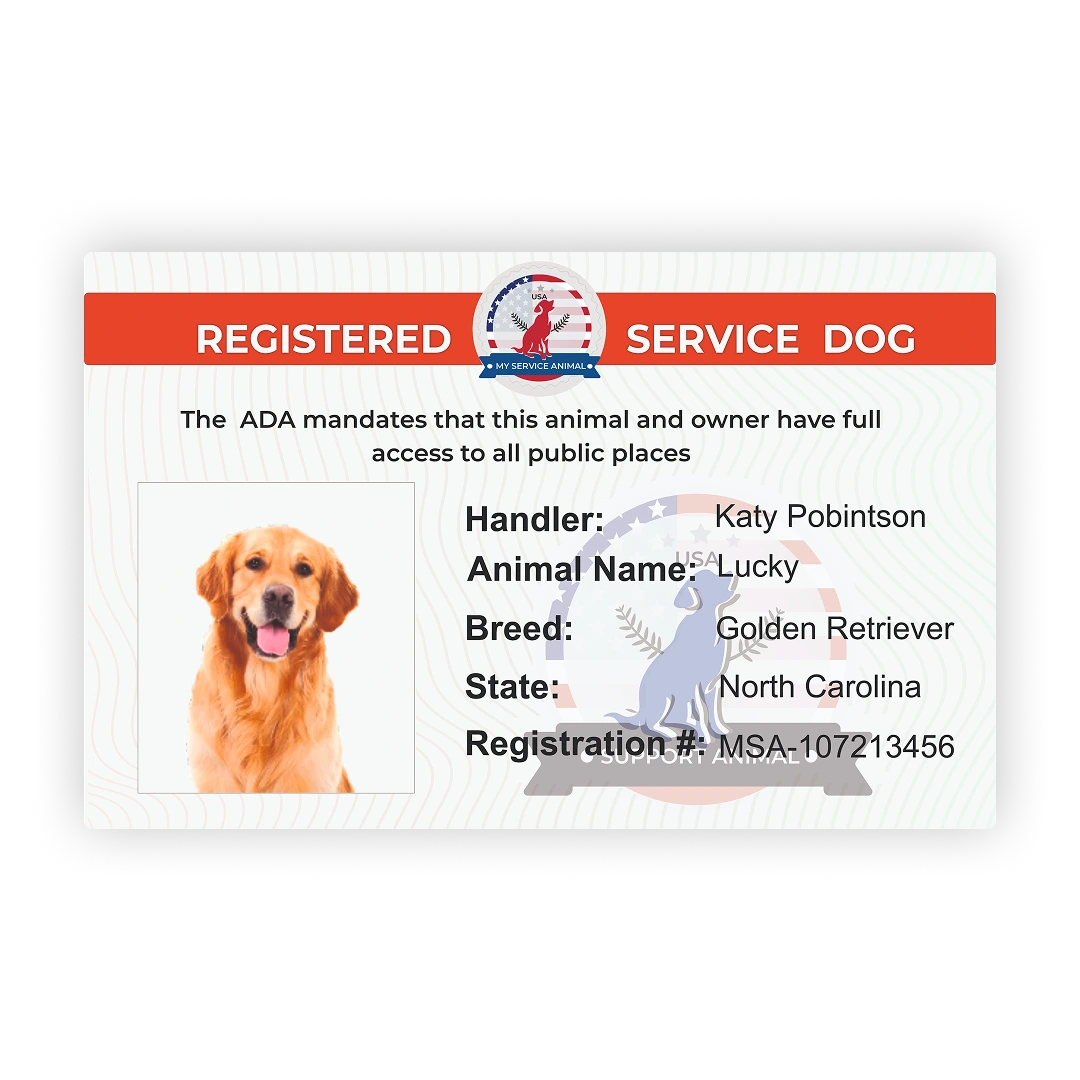
Service Animal Registration
Top Service Dog Grant Programs
We have curated a list of trusted organizations that provide financial assistance or fully trained service dogs to those in need.
1. Assistance Dog United Campaign (ADUC)
The Assistance Dog United Campaign helps individuals who have identified a reputable training program but lack the funds to complete the purchase. Instead of providing the dog directly, they offer financial vouchers to pay for the dog or necessary equipment.
Best For: Individuals needing help with specific purchase fees or adaptive equipment.
2. Canine Companions
Canine Companions is a leader in the field, providing highly trained service dogs to adults, children, and veterans with disabilities entirely free of charge. Their program covers the cost of the dog, ongoing training, and follow-up support.
Key Benefit: Zero cost to the recipient, ensuring accessibility regardless of financial status.
3. The Seeing Eye
Established in 1929, The Seeing Eye specializes in guide dogs for the blind and visually impaired. While there is a fee, it is nominal (historically around $150) and has remained unchanged for decades, serving as a heavily subsidized grant.
4. Paws4People Foundation
Paws4People specializes in “intervention” dogs for veterans with PTSD and children with developmental disabilities. They utilize a unique “pay-it-forward” fundraising model, empowering clients to participate in the process.
Comparison of Non-Profit Support
Use this table to find the organization that best fits your situation:
| Organization | Target Audience | Type of Assistance |
|---|---|---|
| Canine Companions | Physical disabilities, Veterans (PTSD) | Full Service Dog (Free) |
| Assistance Dog United | General Disability / Mobility | Financial Vouchers |
| The Seeing Eye | Visual Impairment / Blindness | Subsidized Guide Dogs |
| Planet Dog Foundation | Service Dog Organizations | Grants to non-profits |
Crowdfunding and Community Fundraising
If grants do not cover the full cost, crowdfunding is a powerful way to raise the remaining funds. Success comes from telling your personal story authentically.
Effective Fundraising Platforms
- GoFundMe: The most popular platform for medical and personal appeals.
- GiveSendGo: A strong option for faith-based communities and networks.
- Facebook Fundraisers: Ideal for birthdays or leveraging close friends and family networks without platform fees.
- Local Events: Community walks, bake sales, or “Pawsitive” happy hours at local businesses can raise quick cash and build local support.
Hidden Financial Resources & Insurance
Many applicants overlook these “hidden” funding sources that can help cover maintenance and training costs:
Flexible Spending Accounts (FSA) & HSAs
If you have a Letter of Medical Necessity (LMN) from a doctor, the cost of buying and training a service dog can often be treated as a qualified medical expense. This allows you to use pre-tax dollars from your FSA or HSA, effectively saving you 20-30% on costs.
Veteran Benefits
Veterans should check their eligibility for specific benefits. The VA provides veterinary health insurance benefits for prescribed service dogs. Additionally, groups like K9s For Warriors are dedicated exclusively to providing service canines to veterans suffering from military trauma.
Conclusion
Finding financial help for a service dog in 2026 is a journey that requires research and persistence. By combining applications to reputable non-profits like Canine Companions with a personal fundraising strategy, you can overcome the financial barrier.
Start by identifying the program that best matches your medical needs, and don’t hesitate to reach out to your community for support.