Pros and Cons of Choosing a Husky Service Dog
Many people search for the best support animal to help with daily life. Huskies can work as service dogs because they are smart, strong, and loyal. This post will explain the main pros and cons of choosing a Husky Service Dog to meet your needs.
Can a Siberian Husky Be a Service Dog?
Yes, Siberian Huskies can serve as service animals. The Americans with Disabilities Act allows you to register your Husky as a service dog if it meets the needed standards for public access work. Service dog vests help identify your canine in public places like airports under the Air Carrier Access Act rules.
Because they are highly intelligent and energetic, Huskies can perform specific tasks such as psychiatric support, medical alerts, and mobility assistance. However, Huskies are not the easiest breed to train for service work due to their independent nature.
The Pros of Choosing a Husky Service Dog
Despite the challenges, Huskies bring unique strengths to the table. They work hard and stay loyal to their owners.
High Intelligence and Task Capability
High intelligence lets a husky learn tough service dog tasks. This breed knows how to perform deep pressure therapy and give anxiety alerts, helping people who need emotional support animals or psychiatric service dogs.
- With the right dog training, your husky can assist with mobility support by helping you balance or giving light bracing.
- Many experts compare their learning skills to border collies and trained search-and-rescue dogs.
- Huskies can offer psychiatric help, easing the challenges of conditions like PTSD and anxiety.
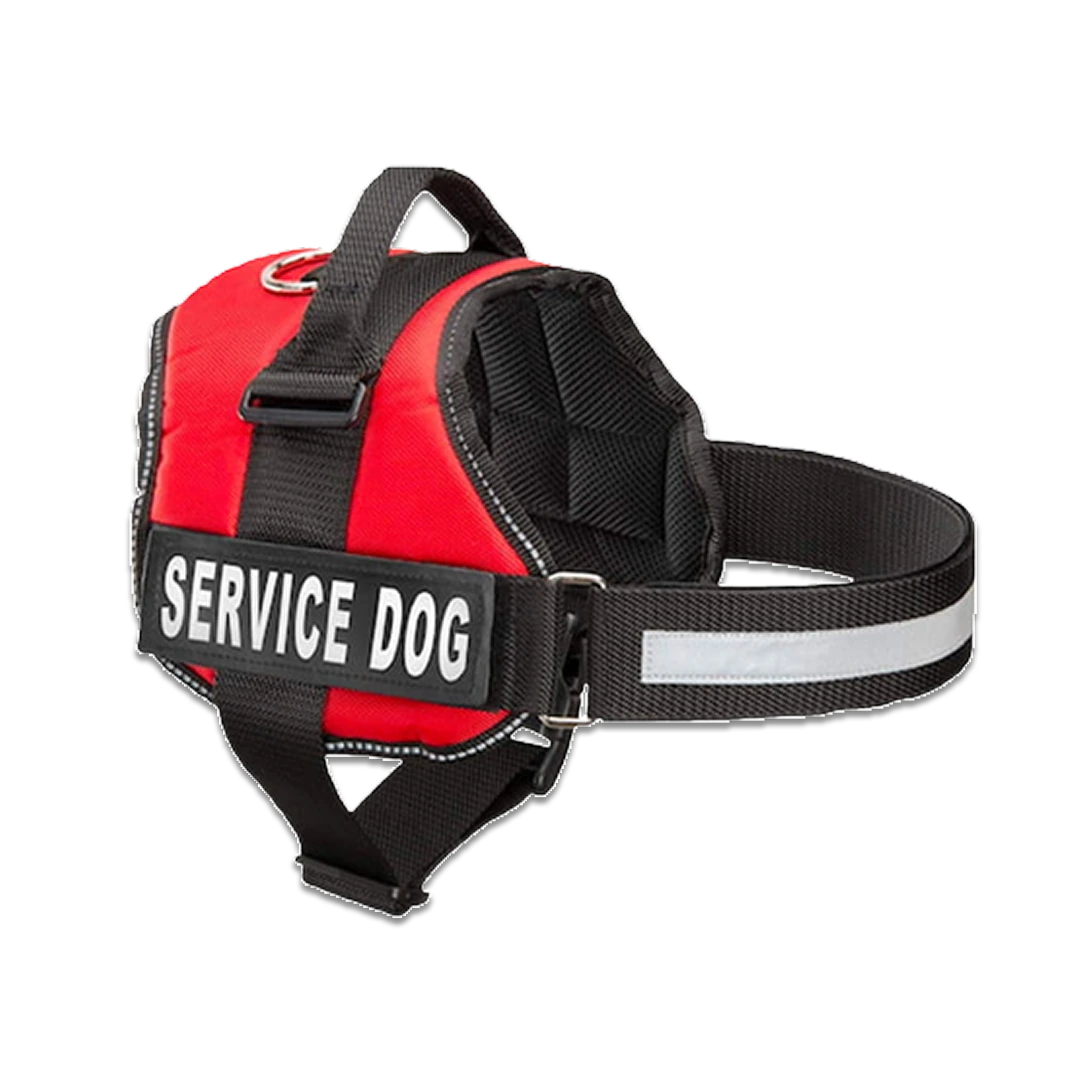
Service Dog Vest
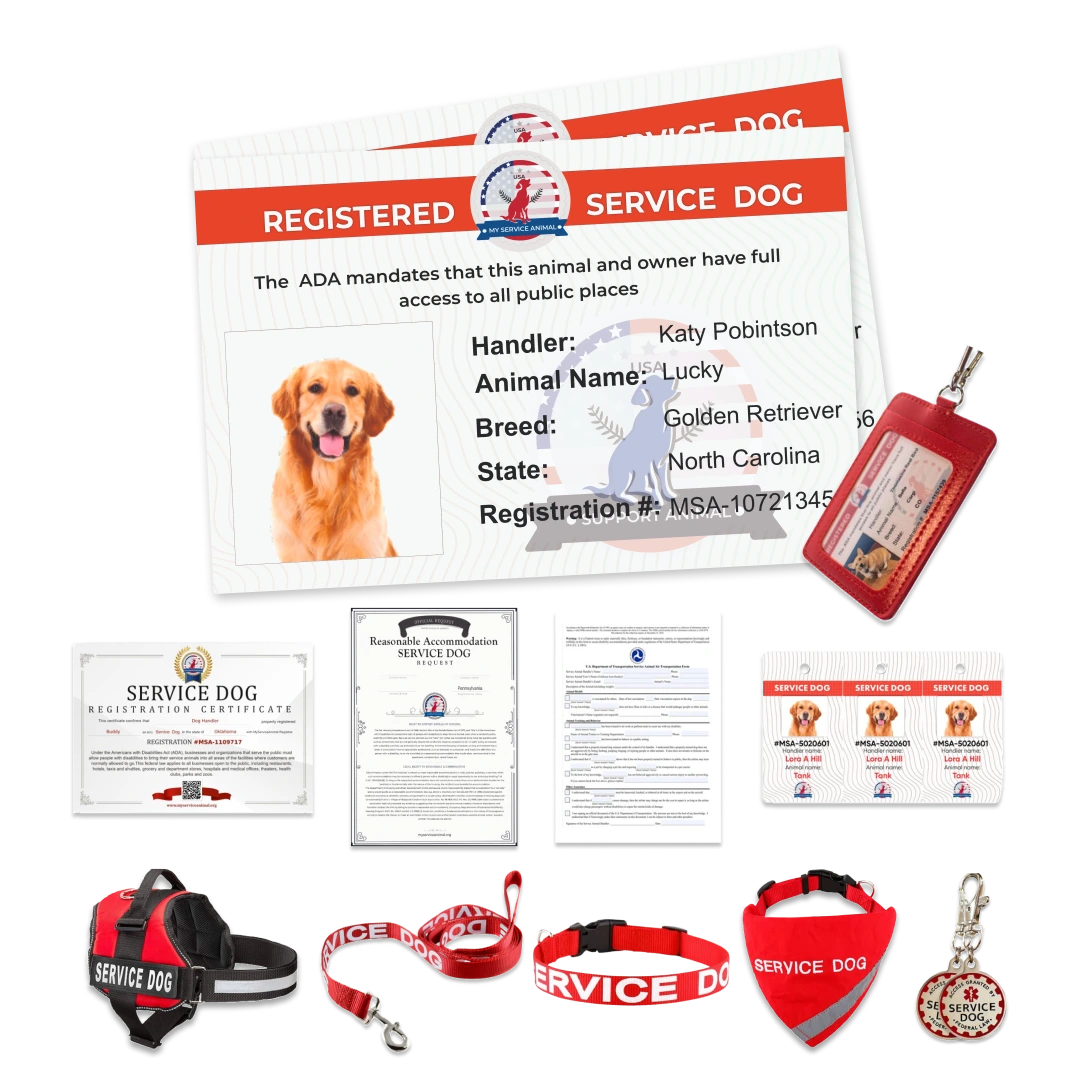
Service Dog Premium Bundle
Service Dog Collar
Strong Work Ethic
Many people register their husky as a service dog because of the breed’s strong work ethic. Originally bred as sled dogs, Huskies have high energy and intelligence. A husky’s commitment shows in their willingness to complete jobs again and again without quitting.
“A Husky’s working lineage means they have the stamina to support a handler through a full, demanding day, provided they are properly motivated and engaged.” – Certified Service Dog Trainer
Loyalty and Companionship
Huskies are known for their strong loyalty. Their high energy levels foster bonding moments with handlers, ensuring a strong relationship built on trust and love.
The Cons of Choosing a Husky Service Dog
While capable, training a Husky as a service dog is hard and costly. Their strong-willed nature may lead to challenges in obedience.
Independent and Stubborn Nature
Huskies have an independent and stubborn nature. This trait can make training them as service dogs challenging. They might not always follow commands consistently. Furthermore, their vocal tendencies add to this difficulty; they often express themselves instead of obeying.
High Training Needs and Costs
Because they are an independent breed, consistent positive reinforcement is critical for obedience training. This process requires immense patience and financial investment. Professional training may cost between $10,000 and $20,000.
Unsuitability for Guide Work
Huskies are not great for guide work. Huskies are not good choices for guide dog work because they do not always follow commands well in public places. While Huskies can help with tasks like mobility support or psychiatric assistance, their abilities do not extend well into guiding visually impaired people.
High Energy Levels
Huskies have high energy levels. Without this care, they may develop bad habits such as chewing or digging.
Husky vs. Traditional Service Breeds
| Feature | Siberian Husky | Golden Retriever / Labrador |
|---|---|---|
| Trainability | Independent and stubborn, requires strict positive reinforcement. | Eager to please, highly biddable. |
| Best Suited For | Psychiatric assistance, deep pressure therapy, mobility bracing. | Guide work, retrieving items, medical alerts. |
| Energy Level | Extremely high; requires significant daily exercise. | Moderate to high; adaptable to handler’s lifestyle. |