Navigating the complexities of New York Emotional Support Animal (ESA) laws can be daunting for tenants dealing with mental health challenges. Whether you live in a high-rise in Manhattan or a suburban home in Albany, understanding your rights under the Fair Housing Act (FHA) and New York State Human Rights Law is essential to ensuring you and your companion stay protected.
In New York, an Emotional Support Animal is more than just a pet; it is a vital part of a treatment plan for individuals with disabilities. This guide breaks down the legal framework, your responsibilities as an owner, and how to verify your animal legally.
Understanding the Legal Definition of an ESA in NY
In New York, an Emotional Support Animal is defined as an animal that provides emotional support, well-being, or companionship which alleviates one or more identified symptoms or effects of a person’s disability. Unlike service animals, ESAs are not required to be trained to perform specific tasks.
| Feature | Service Animal (ADA) | Emotional Support Animal (FHA) |
|---|---|---|
| Training Required | Yes, task-specific | No training required |
| Public Access | Full access (Restaurants, Stores) | Housing only (limited public access) |
| Species | Dogs (and mini-horses) | Any common household animal |
| Primary Law | Americans with Disabilities Act | Fair Housing Act / NY Human Rights Law |
“The distinction between a pet and an ESA is the medical necessity. In New York, if a tenant has a documented disability, the animal is viewed as a ‘reasonable accommodation’ rather than a luxury.” — Legal Expert in Housing Disability Rights
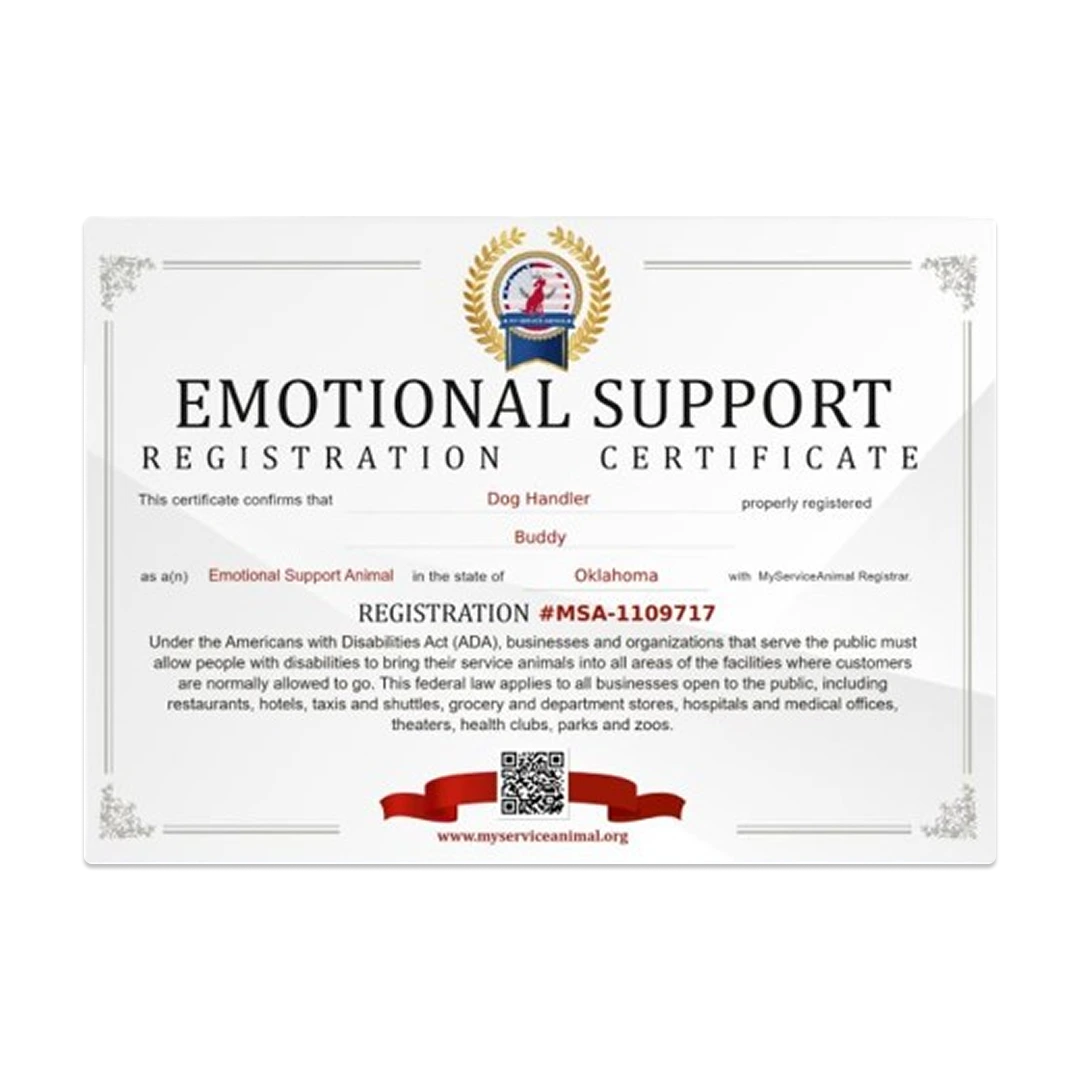
Emotional Support Animal Certificate
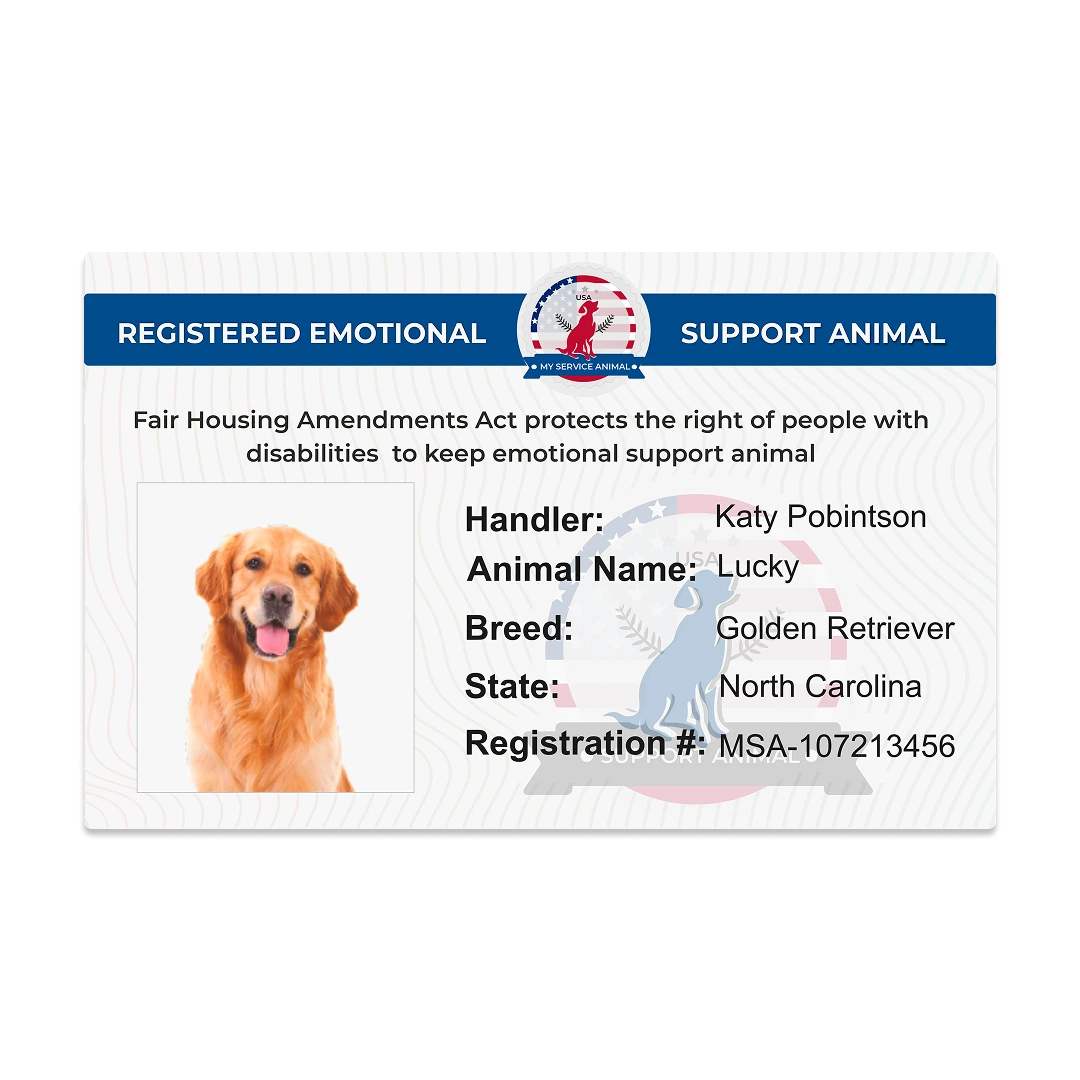
Emotional Support Animal Registration
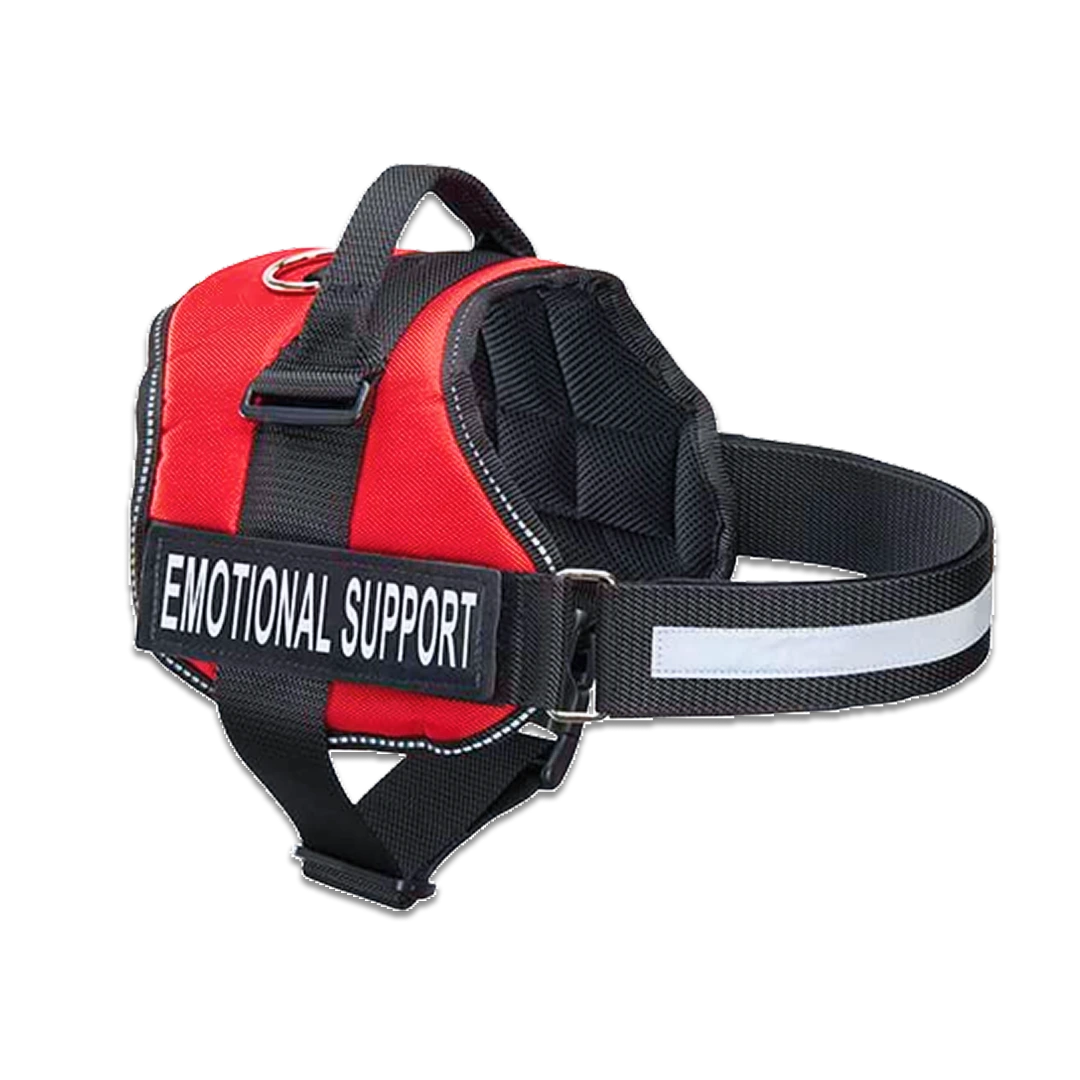
Emotional Support Animal Vest
My Service Animal providing online service of esa registration, esa vest and certificates.
Housing Protections: The Fair Housing Act in New York
The federal Fair Housing Act (FHA) and the New York State Human Rights Law prohibit landlords from discriminating against tenants with disabilities. This means that even if a lease has a “no-pets” policy, the landlord must make a reasonable accommodation for an ESA.
Tenant Rights Under NY Law
- No Pet Fees: Landlords cannot charge “pet rent” or an additional security deposit for an ESA.
- Breed Restrictions: Landlords generally cannot deny an ESA based on breed or weight, provided the animal does not pose a direct threat.
- No-Pet Clauses: A valid ESA letter overrides “no-pet” clauses in a standard lease agreement.
When Can a Landlord Deny an ESA?
While protections are strong, they are not absolute. A New York landlord may legally deny an ESA request if:
- The building is owner-occupied and has four or fewer units (small-scale housing exemption).
- The animal causes “undue financial or administrative burden” to the landlord.
- The specific animal poses a direct threat to the health and safety of other tenants.
- The animal has caused significant physical damage to the property in the past.
How to Get a Valid ESA Letter in New York
To qualify for an ESA in New York, you must obtain a formal ESA letter. This document serves as legal proof of your need for the animal.
Requirements for a Legitimate Letter
According to New York standards, a valid letter must:
- Be written by a healthcare professional licensed in New York (or the state where you are receiving treatment).
- Be on the professional’s official letterhead.
- Confirm that you have a disability as defined by the FHA.
- Explain how the animal alleviates symptoms of your condition.
- Include the professional’s license type, number, and date of issuance.
“A generic certificate from a website is often a red flag for landlords. A legitimate ESA letter must come from a provider who has an established relationship with the patient.” — Dr. Sarah Jenkins, Licensed Clinical Psychologist
Responsibilities of the ESA Owner
While you have the right to keep your ESA, you also have responsibilities to the property and other residents. New York law does not protect owners of animals that are nuisances.
Behavior and Maintenance
Tenants are responsible for any damage the ESA causes to the apartment. Additionally, if the animal barks excessively or acts aggressively, the landlord may have grounds to file for an eviction based on a nuisance claim. Proper hygiene and waste disposal are also mandatory under local NY health codes.
Renewals and Updates
It is highly recommended to update your ESA letter annually. While the law does not explicitly state an expiration date, landlords often request a “current” letter (within the last 12 months) to ensure the disability-related need is still present.