How a Service Dog for POTS Enhances Safety and Independence
Living with Postural Orthostatic Tachycardia Syndrome (POTS) presents unique and unpredictable daily challenges. This specific form of dysautonomia frequently causes sudden fainting, severe dizziness, and rapid heart rate spikes upon standing. For many individuals navigating chronic illness, a service dog for POTS is not just a companion; it is a vital medical tool that provides early warnings and critical physical support.
In this comprehensive guide, we explore the specialized tasks these working dogs perform, the science behind cardiac alerts, and how they transform the lives of their handlers.
What is a POTS Service Dog?
A service dog is specifically trained to perform tasks that mitigate their handler’s disability. Unlike an Emotional Support Animal (ESA), a service dog has public access rights under federal law and is trained for specific, life-saving medical responses.
“Postural Orthostatic Tachycardia Syndrome severely disrupts the autonomic nervous system. A trained cardiac alert dog serves as an external biological monitor, providing a crucial buffer of safety for patients whose own internal monitors are malfunctioning.” – Dr. Robert Mitchell, Clinical Cardiologist
Essential Tasks Performed by POTS Service Dogs
Service dogs for dysautonomia are trained in three primary categories: medical signaling, mobility assistance, and emergency response. Here is how they help daily.
1. Cardiac Alert and Fainting Prediction
The most remarkable and life-saving skill of a POTS service dog is the ability to detect a medical episode before it fully manifests. Dogs are trained to scent the specific chemical changes and volatile organic compounds released when a human’s heart rate rapidly spikes or blood pressure plummets.
- Nudging or Pawing: The dog will physically interrupt the handler to signal that they need to sit or lie down immediately.
- Early Warning Systems: Alerts typically occur 2 to 10 minutes before an episode, providing enough time to find a safe place and avoid a dangerous fall.
“A well-trained cardiac alert dog doesn’t just react to a fall; they prevent it. By reading physiological shifts through scent, they give the handler the gift of time.” – Dr. Elizabeth Vance, Veterinary Behaviorist
2. Mobility Support and Stability
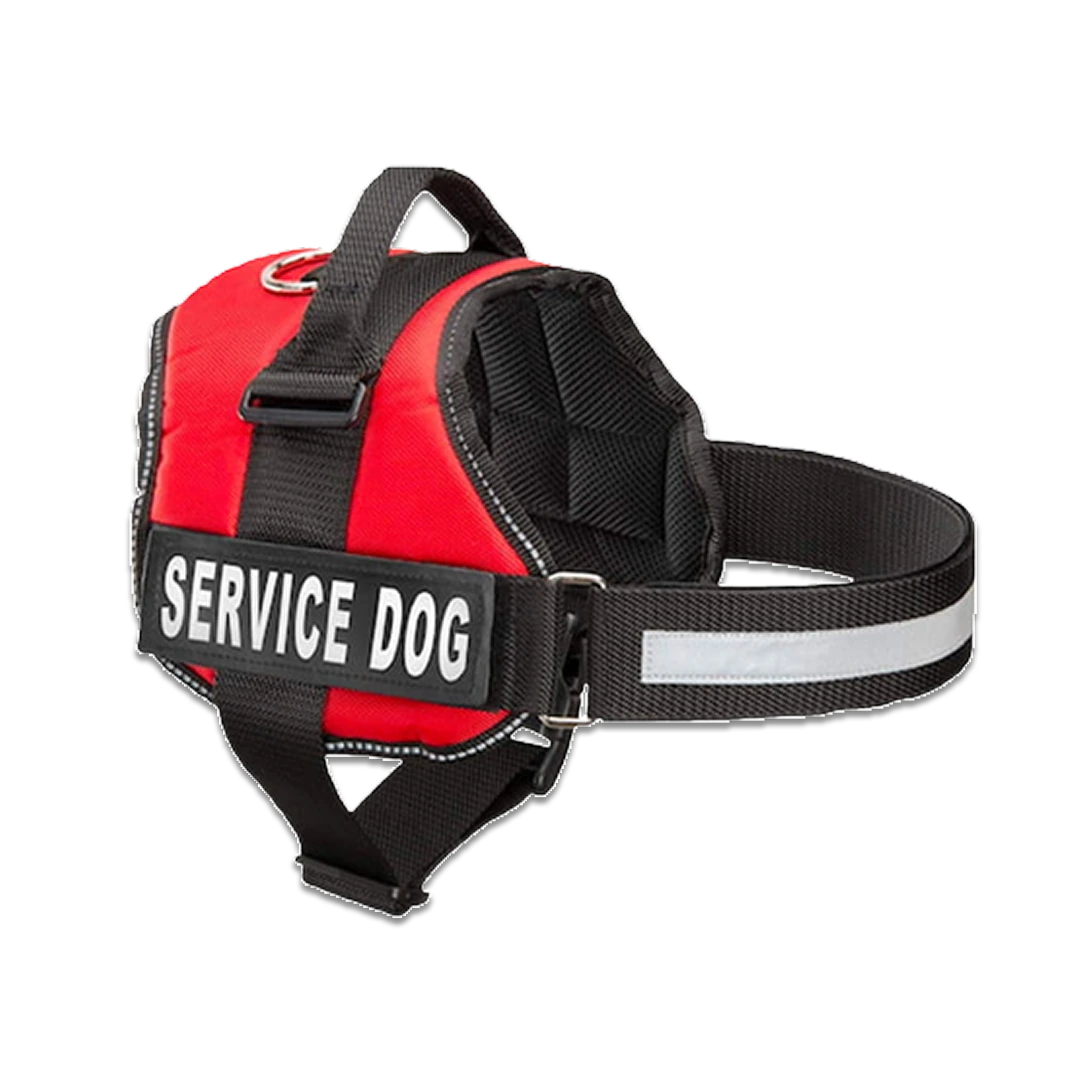
POTS frequently overlaps with connective tissue disorders like Ehlers-Danlos Syndrome (EDS), leading to joint instability and profound dizziness. Service dogs can be fitted with specialized, ergonomically safe harnesses to assist with movement.
| Task | How it Helps the Handler |
|---|---|
| Counterbalance | The dog leans in the opposite direction of the handler’s sway to stabilize them and prevent a fall. |
| Bracing | The dog stands stiffly, acting as a solid anchor to help the handler move from a sitting to a standing position safely. |
| Forward Momentum | The dog gently assists in pulling the handler up inclines, reducing physical exertion and heart rate spikes. |
3. Deep Pressure Therapy (DPT)
During a POTS episode, the sympathetic nervous system is trapped in overdrive. Deep Pressure Therapy involves the dog lying across the handler’s lap, legs, or chest. This grounding tactile stimulation triggers the parasympathetic nervous system, helping to regulate breathing, lower the heart rate, and shorten the duration of the episode.
4. Emergency Retrieval Tasks
If a handler experiences syncope (fainting), the dog is trained to remain on the scene and execute a pre-planned emergency response.
- Fetching Medication: Retrieving a medical bag containing emergency beta-blockers, electrolytes, or salt tablets.
- Retrieving Communication: Bringing a dropped phone so the handler can call for help without risking standing up.
- Finding Help: On a specific command, the dog can locate another person in the vicinity and lead them back to the handler.
“My service dog didn’t just give me my mobility back; he gave me my independence. I no longer fear walking through a grocery store because I know I have a reliable warning system before my heart reacts.” – Sarah K., POTS Patient and Advocate
Understanding Your Legal Rights (ADA)
In the United States, the Americans with Disabilities Act (ADA) protects the civil rights of service dog handlers. A service dog is legally defined strictly by its training to perform specific tasks related to a disability.
When entering a public business, such as a restaurant or retail store, staff may legally only ask two questions:
- Is the dog a service animal required because of a disability?
- What work or task has the dog been trained to perform?
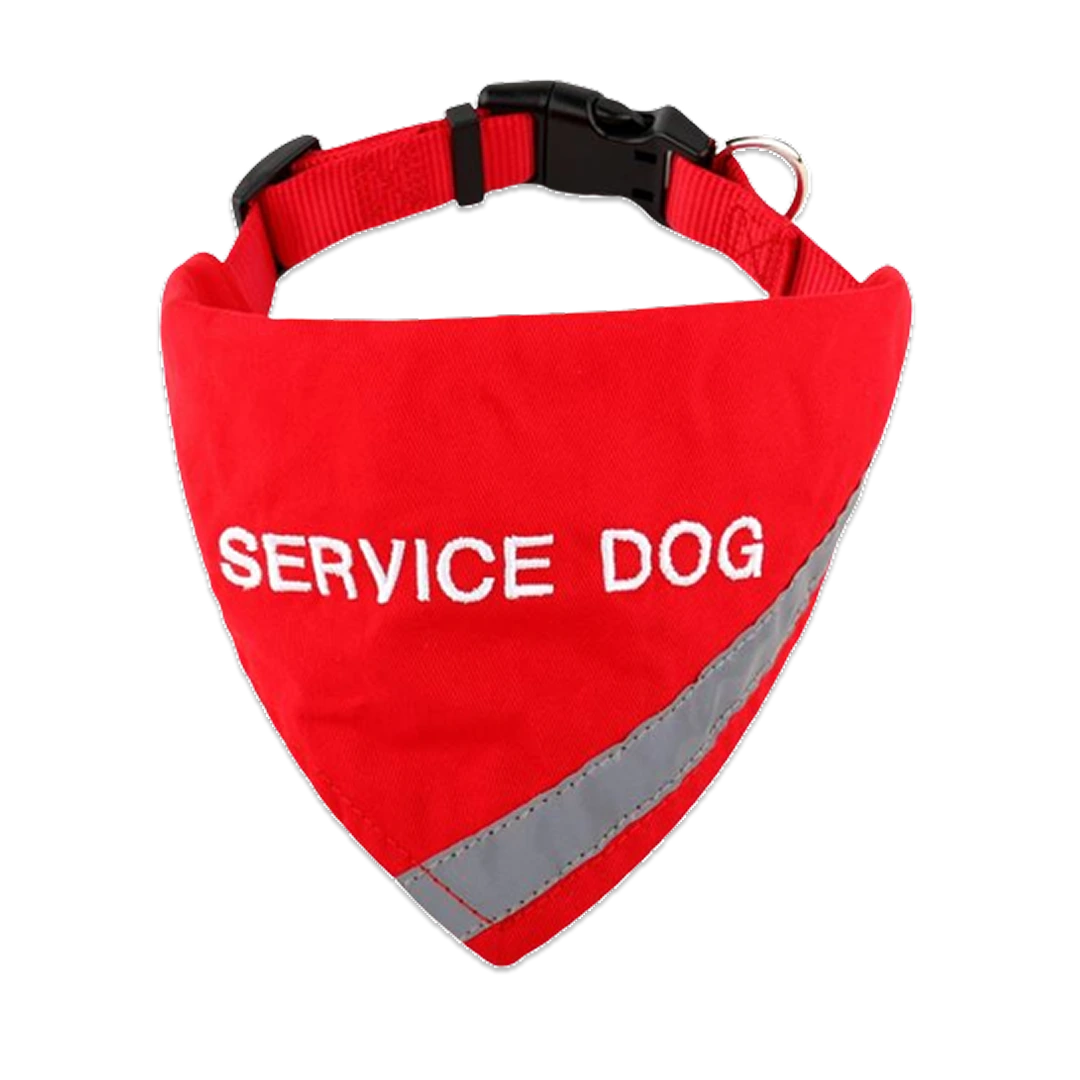
Service Dog Vest