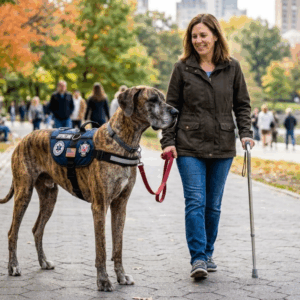
Finding a legitimate ESA letter in Texas can feel overwhelming, especially with the rise of online scams. If you rely on an emotional support animal for your mental health, having the right documentation is the only way to protect your housing rights under federal and state law.
A valid emotional support animal letter waives landlord pet fees, bypasses breed restrictions, and ensures you and your companion can live together peacefully. However, not all online services are legally binding. In this guide, we will walk you through the exact steps to obtain a legitimate ESA letter Texas residents can trust, ensuring your paperwork is strictly compliant with the Fair Housing Act.
What Exactly Is an ESA Letter?
An ESA letter is an official medical document drafted by a Licensed Mental Health Professional. It formally recommends an emotional support animal to help alleviate one or more symptoms of a diagnosed mental or emotional disability.
Unlike service dogs, which are trained to perform specific tasks and are protected under the Americans with Disabilities Act, emotional support animals provide comfort simply through their presence. Because they do not require specialized training, the legal weight of an ESA rests entirely on the legitimacy of the recommendation letter.
The most common mistake Texas renters make is buying a registered ESA certificate online. Landlords are legally allowed to reject these certificates. The only document recognized by the Department of Housing and Urban Development is a prescription letter from a professional currently treating your mental health.
Optional ESA Accessories: ID Cards and Vests
It is important to understand that ESA ID cards, certificates, and vests have no legal standing and cannot be used to secure housing accommodations. However, you can choose to obtain an ESA ID card or a vest solely for visual recognizability in public places. Wearing a vest or carrying an ID can signal to others that your pet is an emotional support animal, which may help minimize unwanted distractions or questions from strangers. Just remember that these accessories are strictly optional and can never replace a legitimate ESA letter.
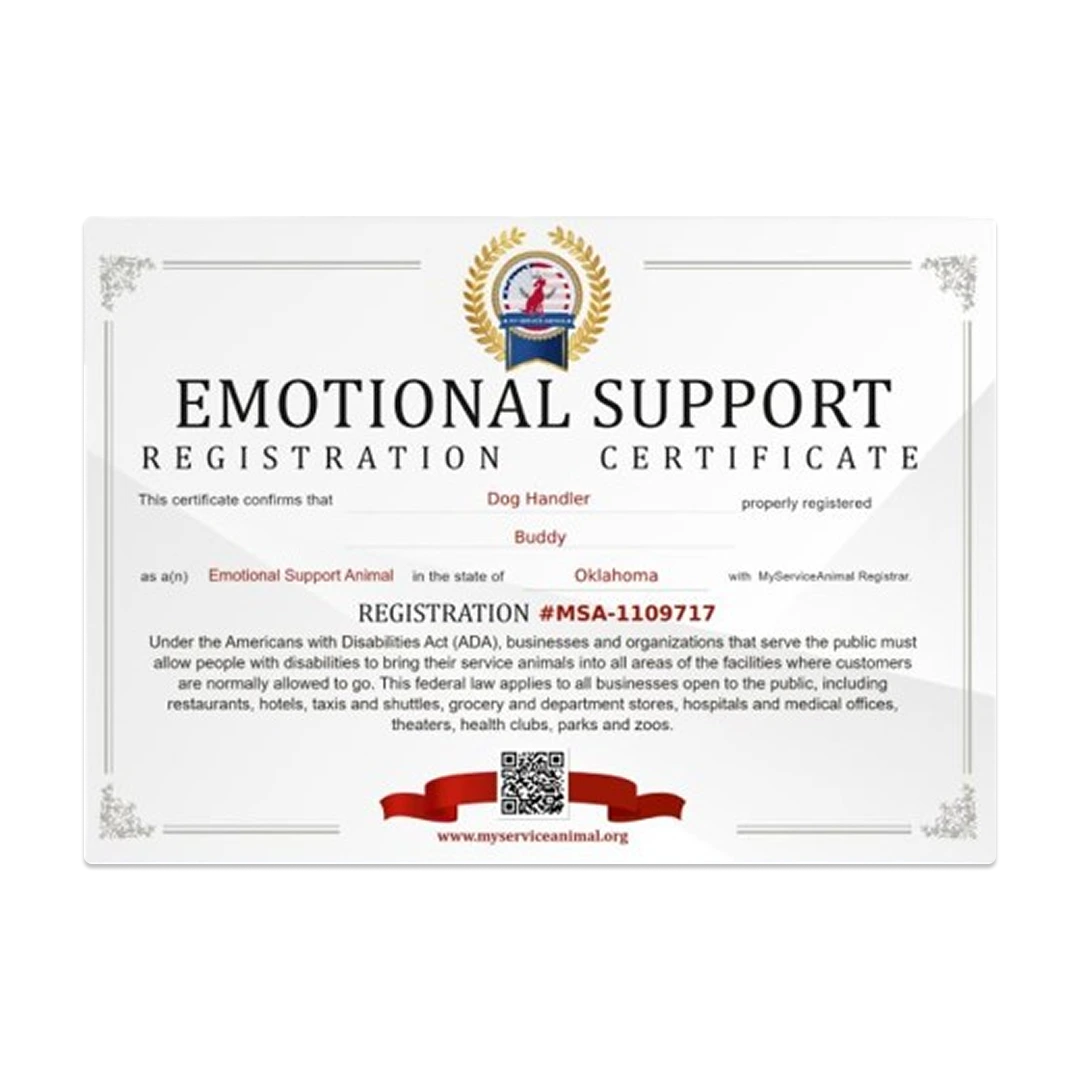
Emotional Support Animal Certificate
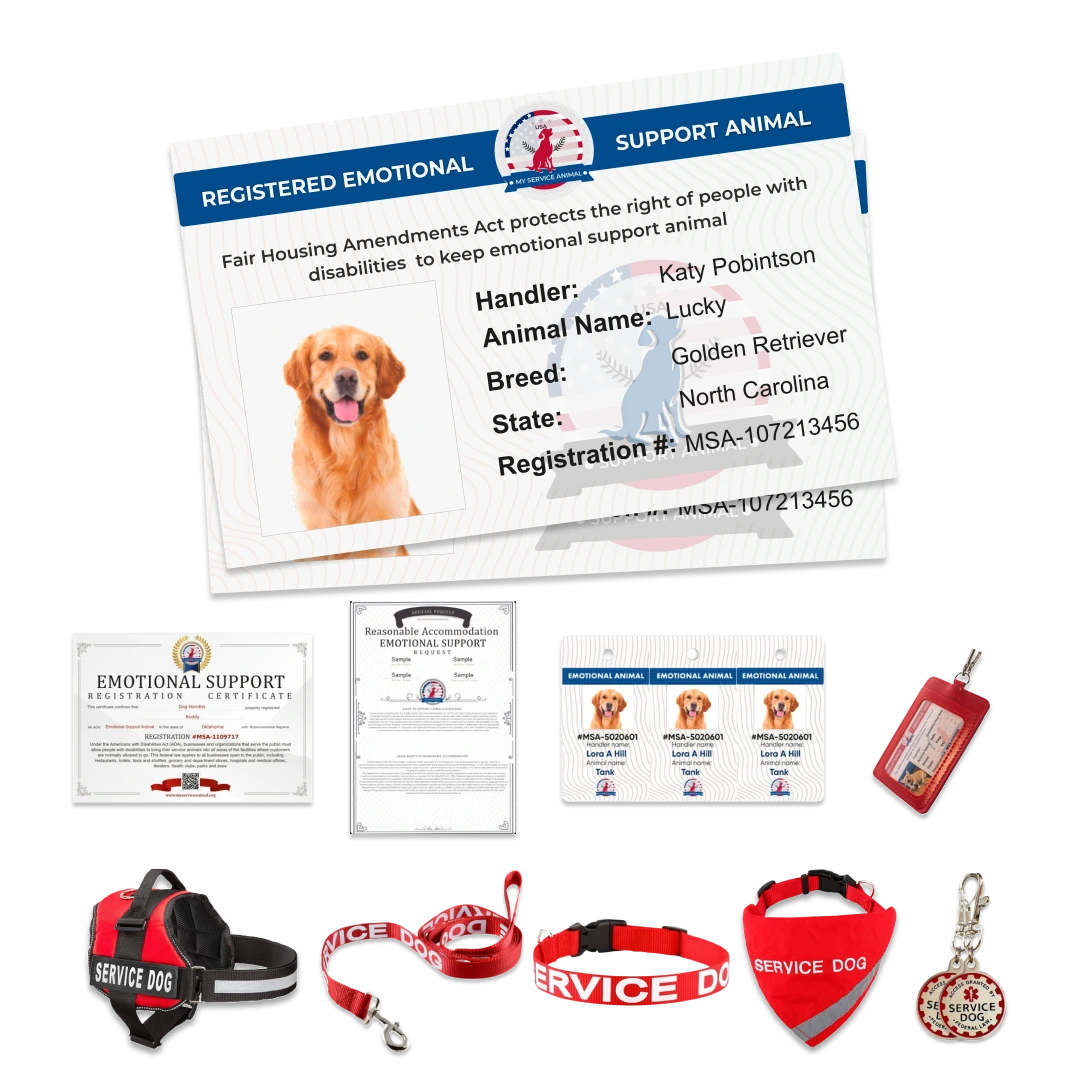
Emotional Support Animal Premium Bundle
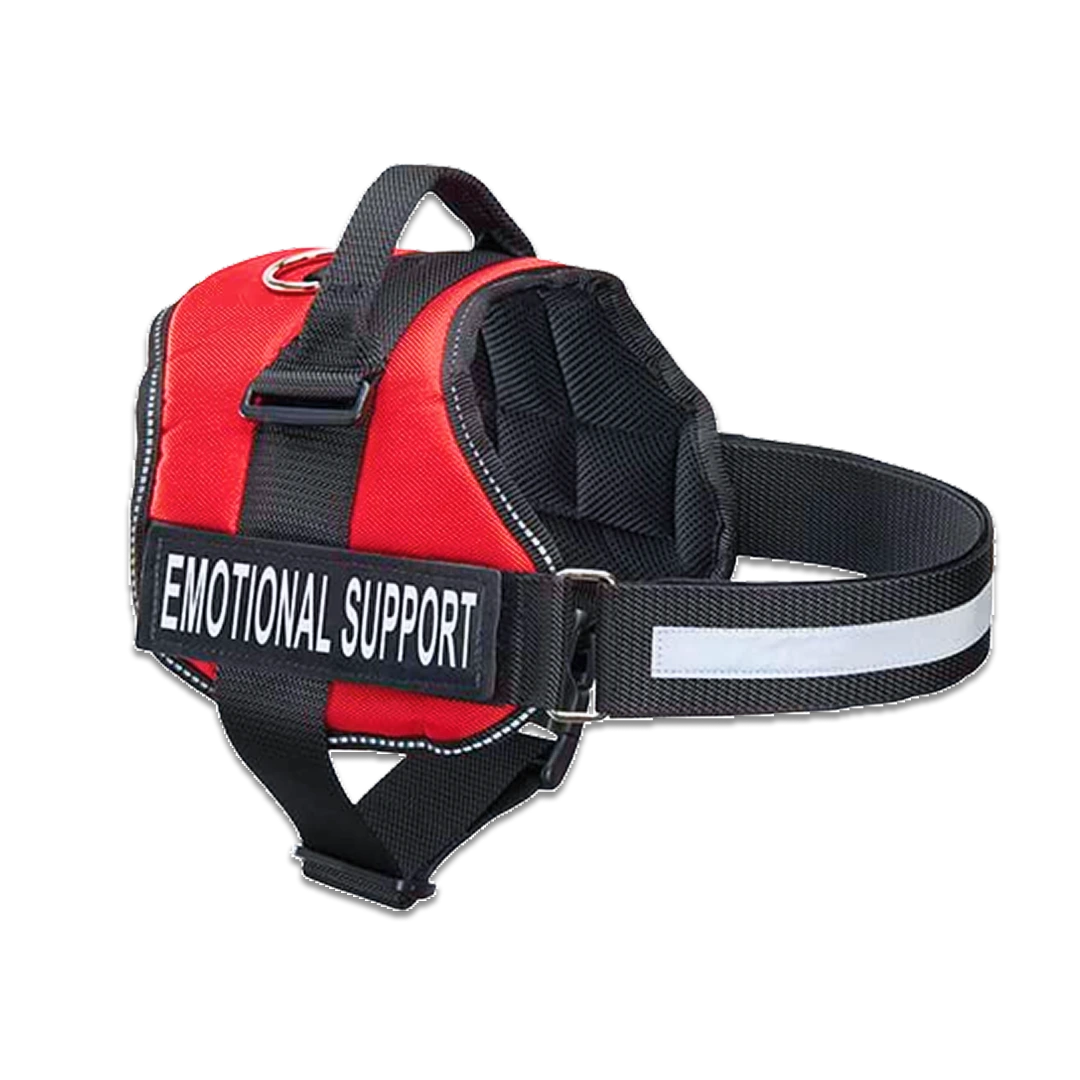
Emotional Support Animal Vest
Key Requirements for a Valid Texas ESA Letter
To ensure your document is legally binding in the state of Texas, it must meet several strict criteria set by federal housing authorities.
Must Be Issued by a Licensed Professional
Your letter must be written by a Licensed Mental Health Professional who is actively licensed to practice in Texas. This includes psychologists, psychiatrists, licensed clinical social workers, and licensed professional counselors. If you use a telehealth service, the provider must still hold a valid Texas state license.
Required Document Details
A legitimate letter will never disclose your private medical history or specific diagnosis. Instead, it must include the following details to be legally compliant:
- The professional’s license type, date of issue, license number, and the state of jurisdiction.
- The professional’s signature and the date the letter was written.
- Official letterhead containing the practice’s contact information.
- A clear statement that you have a mental health condition recognized by the Diagnostic and Statistical Manual of Mental Disorders.
- A clear statement that your emotional support animal is necessary to help alleviate symptoms of that condition.
Spotting Fake ESA Scams vs. Legitimate Providers
Many predatory websites target individuals seeking mental health support. Knowing the difference between a scam and a real medical evaluation is crucial for protecting yourself and your pet.
| Feature | Legitimate ESA Letter | Fraudulent ESA Scam |
|---|---|---|
| Evaluation Process | Requires a live consultation or deep medical intake. | Instant approval after a basic online quiz. |
| Registries & ID Cards | Does not sell ID cards or registry numbers. | Forces you to buy ID badges and certificates. |
| Provider Licensing | Provider is licensed specifically in Texas. | Provider is unlicensed or hides their credentials. |
| Legal Validity | Fully accepted by landlords and HOA boards. | Routinely rejected, leading to eviction risks. |
If a website promises an instant ESA letter without you ever speaking to a therapist, it is a scam. Texas law requires a legitimate provider-patient relationship to issue any valid medical documentation for housing accommodations.
Steps to Obtain Your ESA Letter in Texas
Securing your documentation is a straightforward process when you follow the proper legal and medical channels. Take action on these steps to get covered.
- Book a Consultation: Reach out to your current therapist, or connect with a reputable telehealth platform that employs Texas-licensed professionals.
- Complete a Mental Health Evaluation: Be honest about your struggles with anxiety, depression, PTSD, or other conditions. Explain how the presence of an animal improves your daily functioning.
- Receive Your Document: Once approved, your therapist will issue the official letter. Review it carefully to ensure all licensing numbers and letterhead requirements are met.
- Submit to Your Landlord: Present the letter to your property manager to request reasonable accommodation. Do this before signing a lease or bringing a new pet into your home.
Housing Protections and Your Rights
Under the federal Fair Housing Act, landlords in Texas must provide reasonable accommodation for individuals with valid ESA letters. This federal law overrides “no-pet” policies. Furthermore, property managers cannot charge pet deposits, monthly pet rent, or cleaning fees for an emotional support animal. They also cannot enforce breed or weight restrictions on your ESA.
Take control of your mental wellness today. Connect with a licensed Texas professional to secure your legitimate ESA letter and protect your housing rights.