If you are navigating the rental market with an emotional support animal in Arkansas, you might be worried about strict no-pet policies, expensive pet deposits, and unfair breed restrictions. Fortunately, federal laws and recently updated state statutes provide strong protections for individuals who rely on their animal companions to manage mental health conditions.
This comprehensive 2026 guide covers everything you need to know about your housing rights as an emotional support animal owner in Arkansas. We will explore how to properly request reasonable accommodations, the specific documentation required under new state laws, how to avoid online certificate scams, and what landlords are legally permitted to ask so you can secure your housing without fear of discrimination. Take action today to protect your companion by learning your exact legal rights.
Understanding Arkansas ESA Laws in 2026
In Arkansas, the law draws a clear and strict line between service animals and emotional support animals. While the federal Americans with Disabilities Act grants public access rights exclusively to highly trained service dogs, emotional support animals are protected primarily in residential housing environments.
Recent legislative updates in Arkansas, specifically Act 268, have reshaped how emotional support animals are documented and verified. The state legislature enacted these rules to protect legitimate emotional support animal owners while cracking down on individuals who fraudulently misrepresent their pets to bypass housing rules.
The Impact of Arkansas Act 268
Arkansas Act 268 introduced strict guidelines for both healthcare providers and businesses related to emotional support animals. Under Arkansas Code, healthcare providers must now establish a client-provider relationship for a minimum of 30 days before they can legally issue an emotional support animal letter. There is a specific exemption to this 30-day rule for individuals who are verified to be homeless.
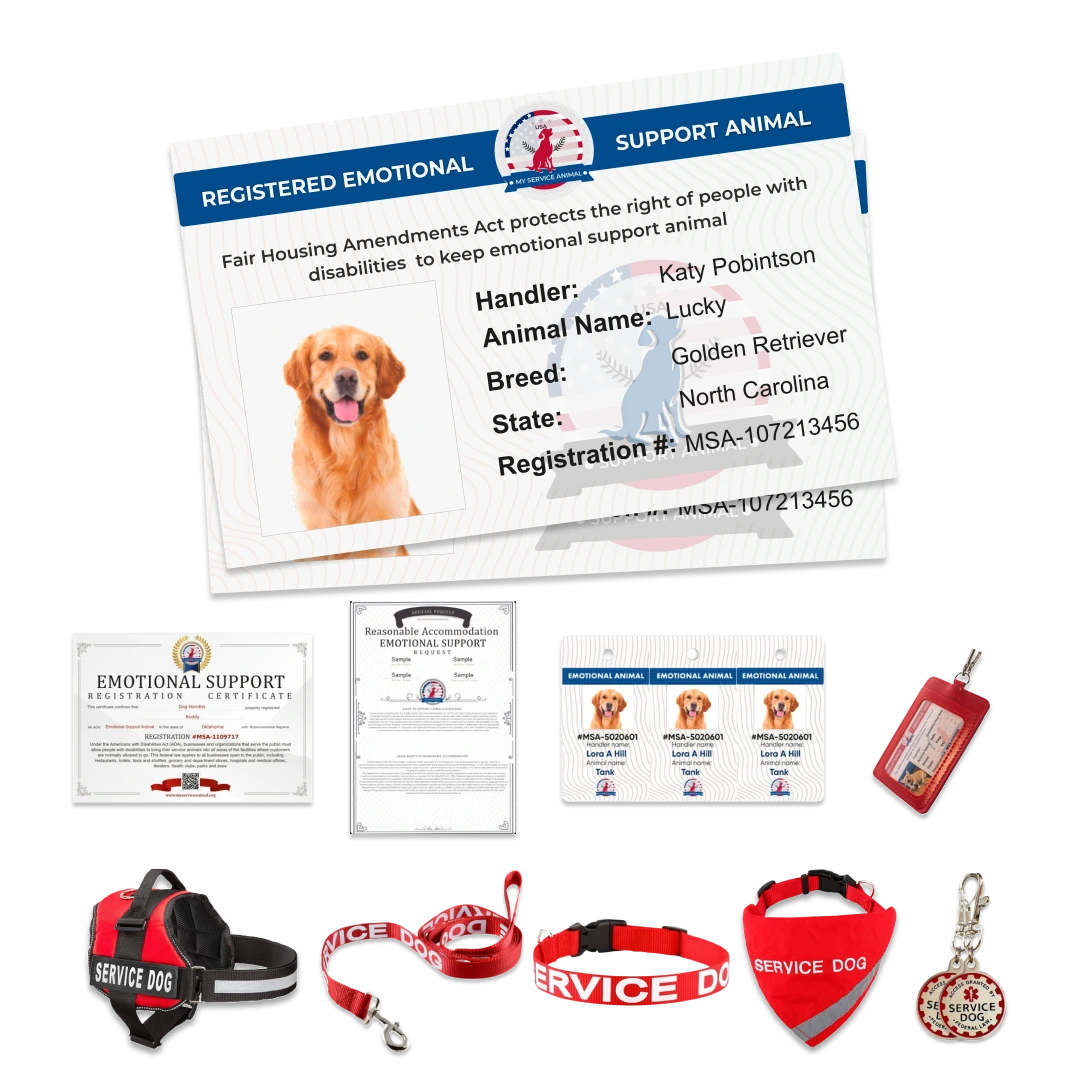
Furthermore, the law requires businesses that sell emotional support animal certificates, vests, harnesses, or tags to provide a prominent written notice to the buyer. This notice must state that the item does not transform the pet into a service animal, and that misrepresenting an animal as a service animal in Arkansas can result in severe civil penalties, with fines escalating up to thousands of dollars for repeat offenses.
Differences Between ESAs, Service Animals, and Psychiatric Service Dogs
Knowing the difference between these categories is essential for protecting your legal rights and complying with Arkansas state regulations.
| Aspect | Service Animals | Psychiatric Service Dogs (PSDs) | Emotional Support Animals (ESAs) |
|---|---|---|---|
| Primary Function | Trained to perform specific physical tasks (e.g., guiding the blind). | Trained to perform specific tasks for mental health (e.g., interrupting panic attacks). | Provide therapeutic comfort and emotional support simply through their presence. |
| Public Access Rights | Allowed in all public spaces under the Americans with Disabilities Act. | Allowed in all public spaces under the Americans with Disabilities Act. | No federal public access rights. Not allowed in retail stores or restaurants. |
| Housing Protections | Protected under the Fair Housing Act. | Protected under the Fair Housing Act. | Protected under the Fair Housing Act. |
| Species Allowed | Restricted to dogs (and rarely miniature horses). | Restricted to dogs. | Can be any commonly kept household animal (dogs, cats, birds, rabbits, etc.). |
| Special Training | Requires rigorous specific task training. | Requires rigorous specific task training. | Requires no specific training. |
Fair Housing Act Protections for ESA Owners
The federal Fair Housing Act serves as the primary legal shield for emotional support animal owners in Arkansas. Under this act, housing providers must grant reasonable accommodations to individuals with a documented, disability-related need for an assistance animal.
Emotional Support Animal Premium Bundle

Emotional Support Animal Vest

Collar Mini ID Tags
Your Rights as a Tenant
Even if an apartment complex strictly enforces a no-pet policy, they must make a legal exception for a valid emotional support animal. Furthermore, housing providers are strictly prohibited from charging pet rent, pet deposits, or extra application fees for an assistance animal, as these animals are legally not classified as pets.
Additionally, landlords cannot enforce general breed, size, or weight restrictions on an emotional support animal. For example, a property manager cannot deny your accommodation simply because your dog is a breed typically banned by the building’s insurance policy.
An assistance animal is not a pet. They should not be treated as a pet by housing providers. This means you cannot be charged pet fees, pet deposits, or pet rent, and arbitrary breed or size restrictions do not apply.
When Can a Landlord Legally Deny an ESA?
While the Fair Housing Act provides broad protections, landlords are not universally forced to accept every animal. A housing provider can legally deny an emotional support animal request under specific circumstances:
- The specific animal poses a direct and documented threat to the health and safety of other residents or staff.
- The specific animal has a history of causing substantial physical damage to property.
- Accommodating the animal would impose an undue financial and administrative burden on the housing provider.
- The tenant fails to provide a legitimate letter from a qualified healthcare professional.
There are also certain buildings exempt from the Fair Housing Act. These exemptions include owner-occupied buildings with four or fewer units, single-family houses sold or rented without the use of a real estate broker, and short-term transient lodging like hotels and motels.
Financial Responsibility for ESA Damages
It is crucial to understand that waiving pet deposits does not waive your financial responsibility. If your emotional support animal causes actual damage to the rental unit, such as chewing baseboards, ruining carpets, or scratching doors, the landlord has the legal right to charge you for the repair costs. They can deduct these costs from your standard security deposit or bill you directly.
How to Legally Obtain an ESA Letter in Arkansas
To be protected under federal and state housing laws, you cannot simply declare your pet to be an emotional support animal. You must possess a legitimate evaluation letter written by a Licensed Mental Health Professional or a healthcare provider who is currently treating you.
The 30-Day Provider Relationship Rule
Because of Arkansas Act 268, your healthcare provider must have an established clinical relationship with you for at least 30 days before they can issue an emotional support animal letter. The provider must hold a valid, active license, and they are required to conduct a clinical evaluation at least once a year to renew the documentation. The letter must state that you have a condition that substantially limits one or major life activities, and that the animal alleviates symptoms of that condition. You do not have to disclose your specific medical diagnosis to your landlord.
Avoiding Online Certificate Scams
It is vital to avoid online registries and instant certification websites. There is no legally recognized state or federal registry for emotional support animals.
Having a certificate or ID card that says an animal is registered as an emotional support animal only indicates that the requester spent money on a website. It is not legally relevant documentation for a housing reasonable accommodation request.
The Interactive Process: How to Talk to Your Landlord
If your landlord pushes back against your request, the Department of Housing and Urban Development recommends engaging in an interactive process. This means keeping lines of communication open to find a mutually agreeable solution. Start by submitting your accommodation request and your provider’s letter in writing. Keep copies of all emails and letters.
If the landlord claims your animal is too large or violates a policy, gently remind them of the Fair Housing Act guidelines regarding assistance animals. Provide them with official resources if necessary. If a landlord unlawfully denies your accommodation after you have provided proper documentation, you have the right to file a fair housing complaint with the state civil rights division or federal authorities.