If you are renting a home and rely on an assistance animal, you likely have one urgent question: can a landlord charge a pet deposit for an emotional support animal? The short and legal answer is no. Under federal law, emotional support animals are not considered pets, meaning property owners cannot legally enforce pet fees, pet rent, or pet deposits on them.
However, having an emotional support animal does not give tenants a free pass for property damage. Understanding your rights under the Fair Housing Act, as well as your responsibilities as a tenant, is critical to maintaining a healthy relationship with your landlord.
The Fair Housing Act and Emotional Support Animals
The Fair Housing Act prevents housing discrimination against individuals with disabilities. According to the United States Department of Housing and Urban Development, mental health conditions that substantially limit one or more major life activities qualify as disabilities. Because an emotional support animal alleviates symptoms of these conditions, landlords are required to provide reasonable accommodations for them.
Housing providers cannot refuse to make reasonable accommodations in rules, policies, practices, or services when such accommodations may be necessary to afford a person with a disability the equal opportunity to use and enjoy a dwelling.
When a landlord waives a “no-pet” policy or drops a standard pet deposit for an ESA, they are fulfilling their legal obligation to provide a reasonable accommodation.
ESA vs. Pet vs. Service Animal
To understand why a landlord cannot charge a pet deposit for an emotional support animal, you must understand how federal law classifies different animals. An ESA is not a pet, but it is also not a highly trained service animal.
| Animal Type | Legal Definition | Housing Rights (FHA) | Can Landlords Charge Fees? |
|---|---|---|---|
| Standard Pet | Kept for companionship and pleasure. | No special legal protections. | Yes. Pet rent, deposits, and fees apply. |
| Emotional Support Animal | Provides therapeutic benefit to an individual with a mental or psychiatric disability. | Protected under the FHA. Requires an ESA letter. | No. Exempt from all pet-related fees. |
| Service Animal | Specifically trained to perform tasks for a person with a disability (e.g., guide dogs). | Protected under the FHA and ADA. | No. Exempt from all pet-related fees. |
What Landlords Can and Cannot Charge
While the law is heavily on the side of the tenant regarding upfront fees, landlords still have financial protections. It is crucial to know the difference between an illegal pet deposit and a legal damage charge.
Prohibited Charges
- Upfront pet deposits
- Monthly pet rent
- Non-refundable pet application fees
- Breed or weight restriction fees
Allowed Charges
- Standard security deposits required of all tenants
- Charges for actual property damage caused by the ESA (e.g., torn carpets, scratched doors)
- Fines for lease violations related to noise ordinances or failure to clean up waste
While the FHA prohibits landlords from charging pet deposits for assistance animals, landlords maintain the right to deduct repair costs from the tenant’s standard security deposit if the animal causes physical damage to the property.
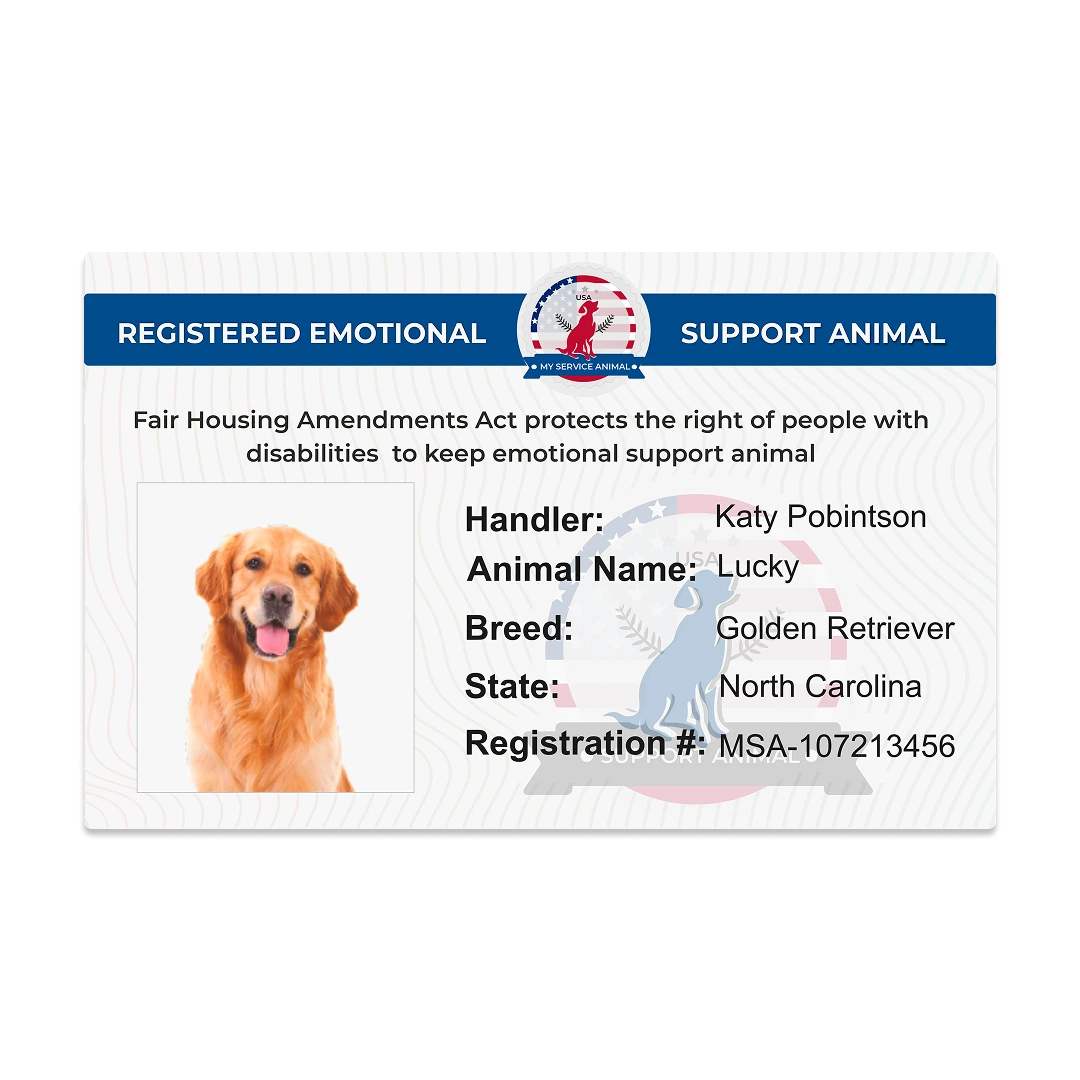
Emotional Support Animal Registration
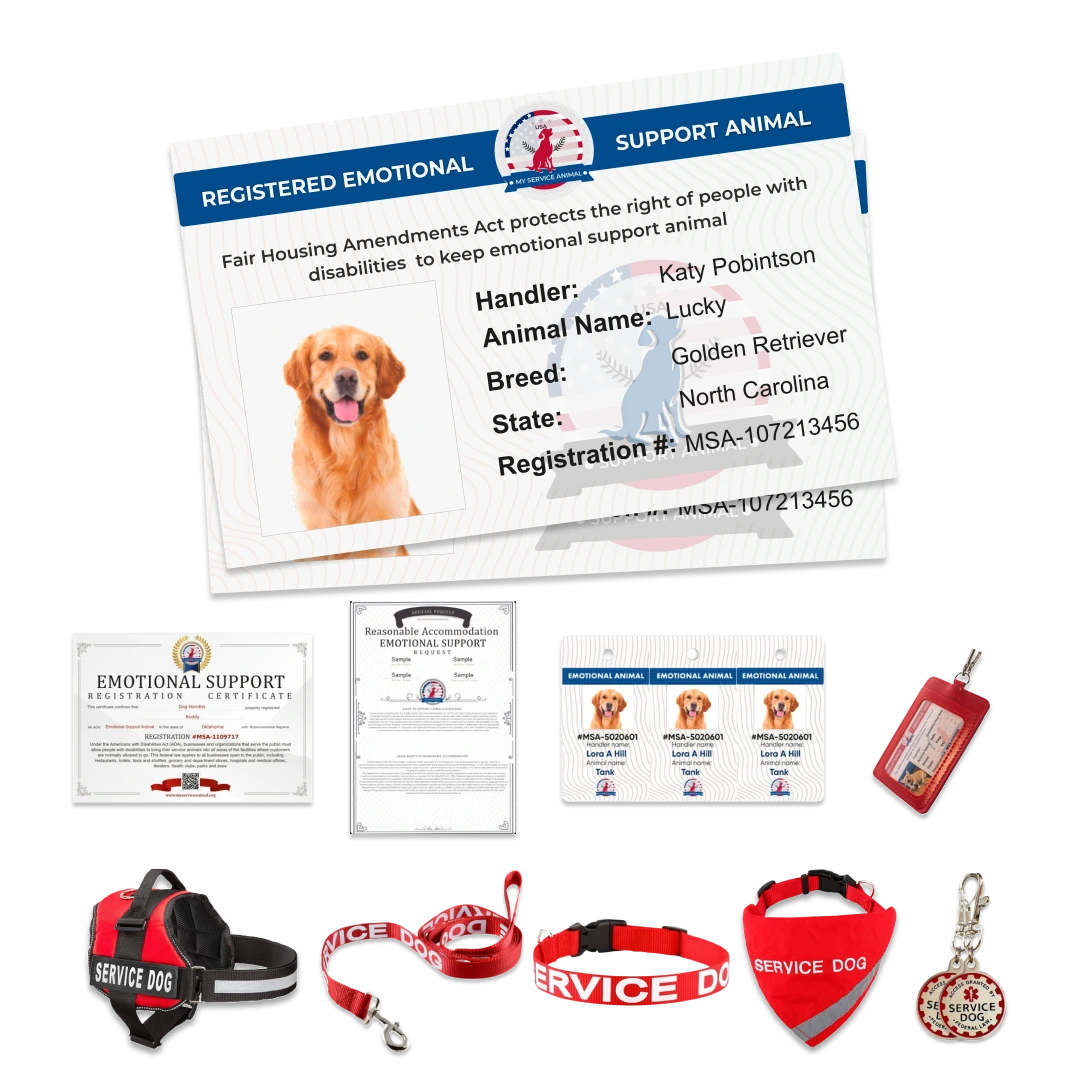
Emotional Support Animal Premium Bundle
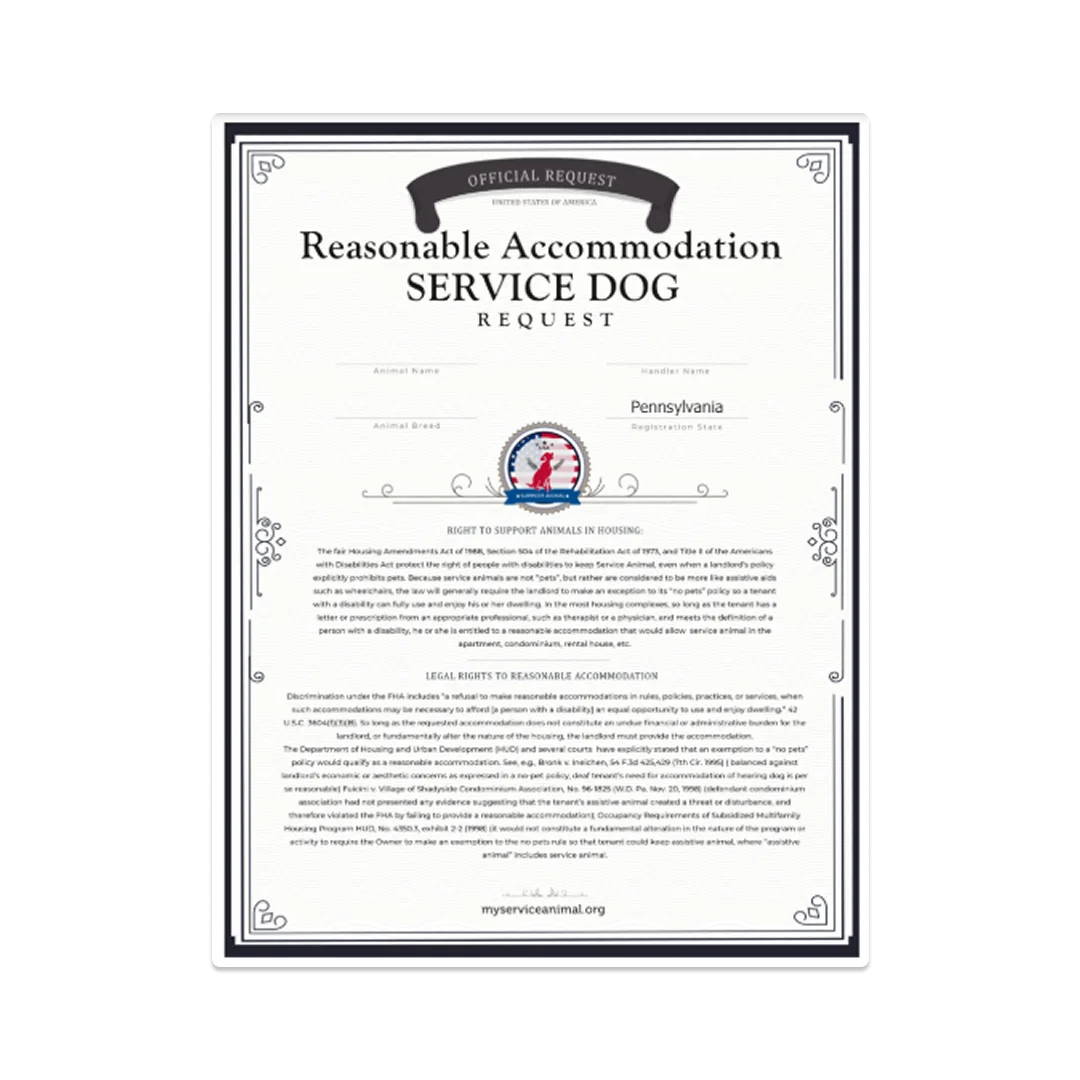
Housing Reasonable Accommodation Request
How to Request a Reasonable Accommodation
To legally bypass pet deposits, you must follow the proper procedure for requesting an accommodation. You cannot simply move an animal into a property and declare it an ESA after the fact without expecting friction.
- Obtain a legitimate ESA letter from a licensed mental health professional (therapist, psychiatrist, or clinical social worker).
- Ensure the letter is written on official letterhead, includes the provider’s license number, and states your disability-related need for the animal.
- Submit a written request for reasonable accommodation to your landlord or property management company.
- Include a copy of your ESA letter with your request.
- Wait for the landlord’s review. They cannot request access to your medical records, but they can verify the authenticity of the letter.
Tenant Responsibilities and Liability
Having an ESA comes with strict tenant responsibilities. If your animal becomes a nuisance or a danger, a landlord can legally revoke the accommodation.
You must ensure your animal does not disturb the quiet enjoyment of other tenants. Excessive barking, aggressive behavior, or wandering off-leash in common areas are valid grounds for lease violations. Furthermore, if your ESA causes damage to the apartment, you are fully financially liable. The landlord will deduct the repair costs from your standard security deposit or bill you directly.