Fake ESA & Service Dog Letters From Doctors: How to Spot Scam Letters in 2026
Every year, thousands of Americans pay $150-$300 for an “ESA letter” or “service dog letter” that turns out to be completely worthless. Here is how to tell a legitimate doctor’s letter from a scam – and what the law actually says.
The #1 Scam in the Assistance Animal Industry: Fake Doctor Letters
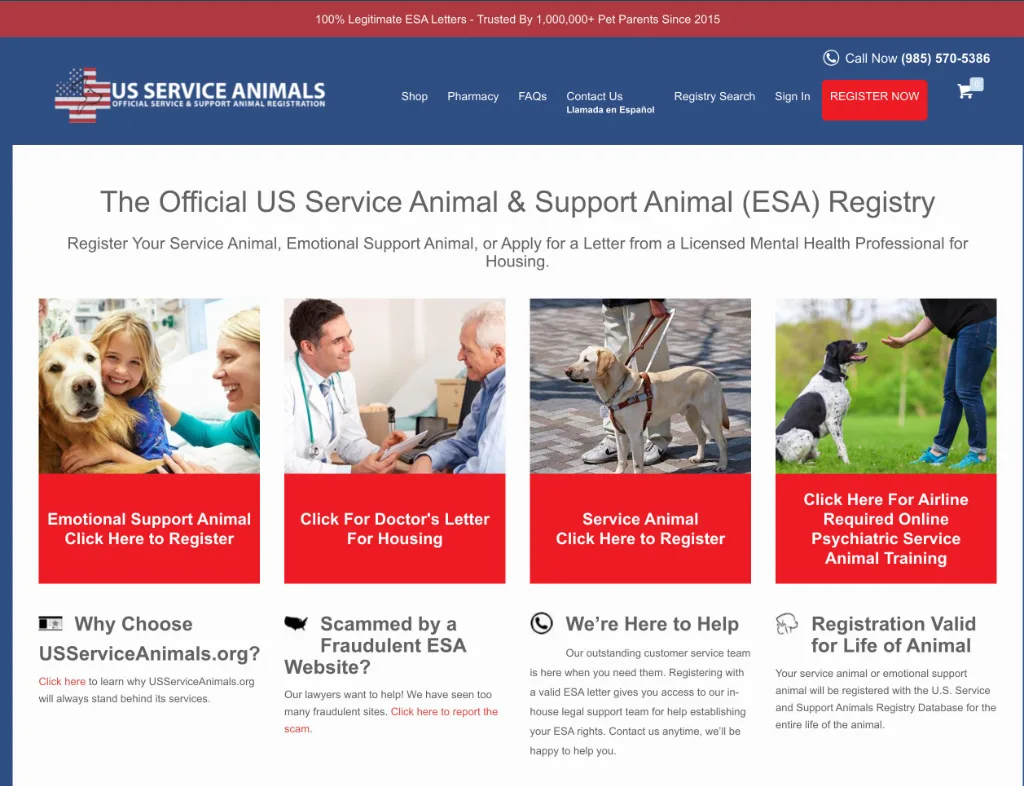
If you have ever searched for “ESA letter online” or “service dog letter from doctor,” you have seen them: websites promising to deliver a “legally valid” doctor’s letter in 24 hours – no appointment, no medical history, no real evaluation.
These are not legitimate medical documents. They are mass-produced templates stamped with the name of a provider who has never spoken to you, never reviewed your medical history, and may not even be licensed in your state.
At MyServiceAnimal, we believe in radical transparency. This complete guide will teach you:
- What a legitimate ESA or service dog letter must contain under federal law
- The 7 red flags that expose a fake letter
- The exact federal and state laws that protect you (and punish fraud)
- How to verify any letter before you use it with a landlord or airline
What Federal Law Actually Requires: ADA, FHA, and ACAA
Before you can spot a fake, you need to understand what real documentation looks like under each law:
The Americans with Disabilities Act (ADA) – Service Dogs
The ADA covers service dogs in public places (stores, restaurants, hotels). Under ADA:
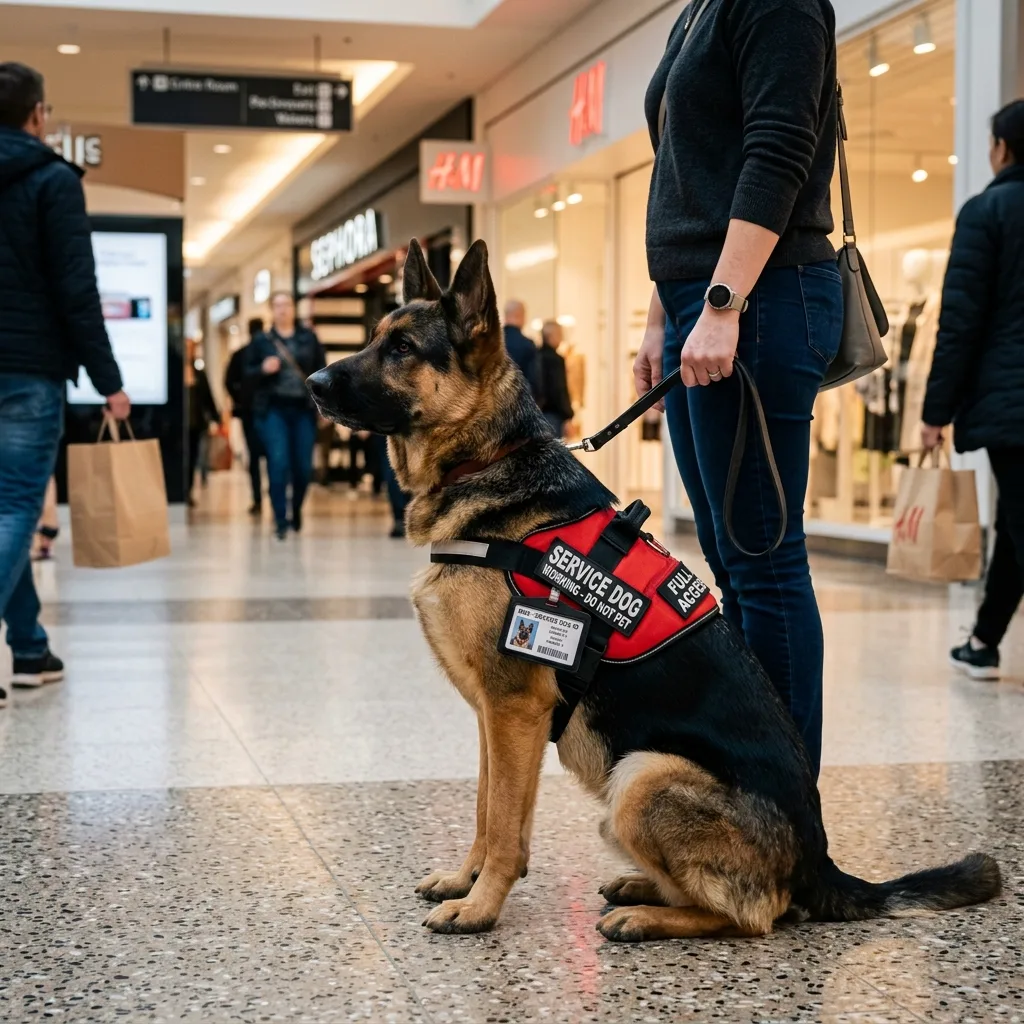
- No letter, certificate, or registration is legally required. Staff may only ask two questions: (1) Is this a service animal? (2) What task does it perform?
- The Department of Justice has explicitly stated: “The ADA does not require service animals to be certified, registered, or identified.” (ADA FAQ)
- Any website selling “ADA service dog certificates” is exploiting consumer confusion.
The Fair Housing Act (FHA) – ESAs in Housing
The Fair Housing Act is the ONE law where documentation IS required – but not just any letter. HUD updated its guidelines in FHEO Notice 2020-01, which specifically addresses fake online letters:
- A landlord may request reliable documentation from a licensed healthcare professional
- The provider must have a therapeutic relationship with the patient – not a one-time online form
- HUD explicitly warns that landlords can reject letters from “online mills” that issue documentation without genuine clinical evaluation
- The letter must be from a provider licensed in your state
The Air Carrier Access Act (ACAA) – Flying
Since January 2021, the DOT final rule no longer requires airlines to accommodate ESAs. Only trained service dogs qualify for cabin access. Airlines may require:
- A DOT Service Animal Air Transportation Form
- Attestation of the dog’s behavior and training
- Attestation of the handler’s disability
7 Red Flags of a Fake Doctor Letter
 Resolves 80% of housing & airline access issues instantly
Service Animal Registration
 Instant Digital ID
 Free Shipping
 5-Min Process


Use this checklist to evaluate any ESA or service dog letter you receive:
1. No Real Clinical Evaluation
If you filled out a 5-minute questionnaire and received a letter within hours, that is NOT a legitimate clinical evaluation. HUD guidelines require a “therapeutic relationship,” which means ongoing care – not a checkbox form.
2. Provider Not Licensed in Your State
Under HUD FHEO-2020-01, the healthcare professional must hold a valid license in the state where the patient resides. Many scam mills use a single doctor licensed in one state to issue letters nationwide. Your landlord can legally reject such a letter.
3. Generic Template Without Your Medical Details
A real letter references your specific condition and how the animal alleviates symptoms. A fake one uses boilerplate language like “the patient has a disability” without mentioning your actual treatment plan.
4. No Verifiable License Number
Every legitimate therapist, psychologist, psychiatrist, or physician has a license number that you can verify through your state licensing board. If the letter does not include one – or if the number cannot be verified – it is fake.
5. Guarantees of “Instant Approval” or “100% Acceptance”
No legitimate healthcare provider can guarantee that a landlord will accept their letter. Scam websites use urgency tactics (“Get your letter in 15 minutes!”) because they know the letters will not survive scrutiny.
6. Bundled with “Registration” and Merchandise
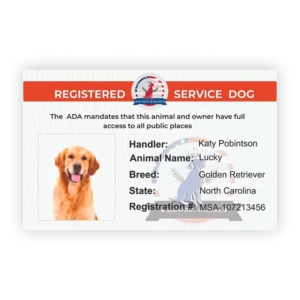
If the website requires you to buy an “official registry entry,” ID card, or certificate alongside the letter, it is a commercial operation – not a medical practice.
7. No Follow-Up Care or Records
A real provider offers follow-up appointments and maintains medical records. Scam mills issue letters and disappear. If there is no way to schedule a follow-up or request your records, you are dealing with a scam.
State Laws That Criminalize Fake Letters
Multiple states have enacted laws making it a criminal offense to fraudulently represent an animal as a service dog or ESA:
| State | Law | Penalty |
|---|---|---|
| California | Penal Code 365.7 | Misdemeanor, up to $1,000 fine and/or 6 months jail |
| Florida | Fla. Stat. 413.08 | Second-degree misdemeanor, up to $500 fine, 30 hours community service |
| New York | Civil Rights Law 47-b | Misdemeanor, up to $1,000 fine and/or 1 year jail |
| Texas | Human Resources Code 121.006 | Misdemeanor, up to $300 fine and/or 30 hours community service |
| Colorado | C.R.S. 18-13-107.3 | Petty offense, up to $500 fine |
| Virginia | VA Code 51.5-44.1 | Misdemeanor, up to $250 fine, 20 hours community service |
These laws target both the people who knowingly use fake letters AND the companies that produce them.
How to Verify a Doctor’s Letter Is Legitimate
Follow this 4-step verification process before submitting any letter to a landlord, airline, or employer:
- Check the license number – Search your state’s professional licensing board database. Every state publishes an online lookup tool for therapists, psychologists, and physicians.
- Verify the provider is licensed in YOUR state – A California-licensed therapist cannot write a valid letter for a New York resident under HUD rules.
- Confirm the evaluation was substantive – A legitimate evaluation should include at least a 30-minute clinical interview, review of medical history, and a follow-up plan.
- Request your medical records – Under HIPAA, you have the right to access your records. If the provider cannot produce them, the letter is not based on a genuine evaluation.
What MyServiceAnimal Offers (and Does Not Offer)
We want to be completely transparent about what we provide:
- Service Animal Registration – Voluntary registration with a database entry and ID card for everyday convenience
- Service Dog Premium Bundle – Complete kit with registration, certificate, ID card, and vest patch
- ESA Registration – Database registration with ID card for emotional support animals
- Service Dog Letter to Landlord – Template letter for landlord notification
- ESA Housing Accommodation Request – Formal request template for reasonable accommodation
- We do NOT sell “doctor letters” or claim to replace a licensed healthcare provider’s evaluation
Registration and ID cards are convenience tools, not legal requirements. We never claim our products substitute for a medical professional’s evaluation.
Related Resources
- How to Get a Legitimate ESA Letter From a Doctor
- What to Do If Your Therapist Won’t Write an ESA Letter
- Fake ESA Registration: The Telehealth Trap in 2026
- Real Service Dog ID Card vs Fake: Key Differences
- The Landlord’s Complete Guide to ESA Verification
- Service Animal Law and Information
- ESA Law and Information


Bottom Line
A legitimate ESA or service dog letter comes from a licensed healthcare professional who has established a therapeutic relationship with you. It includes their license number, your specific clinical details, and is written by someone licensed in your state.
If a website promises an “instant letter” with “no appointment needed” – that is not healthcare. That is a scam. And under HUD’s 2020 guidance, your landlord has every right to reject it.
Protect yourself. Verify every letter. Know your rights under the law.
The content on this website is for informational purposes only and does not constitute professional medical advice, diagnosis, treatment, or legal counsel.
Still Unsure If You Qualify?
Skip the confusion. Take a 3-minute assessment to see what your animal legally needs.
U.S handlers trust MyServiceAnimal

FAQ
No. The ADA specifically prohibits mandatory registration of Service Animals. Any site claiming to be the “official government registry” is a scam.
No, as long as your dog is actually trained to mitigate a disability. Using a private database ID as a visual aid is perfectly legal. It only becomes illegal if you are using an ID to misrepresent an untrained pet as a working Service Dog.
If your dog is legitimately trained, and a business denies you access after you answer the two legal ADA questions, they are violating federal law. You can file a complaint with the Department of Justice.