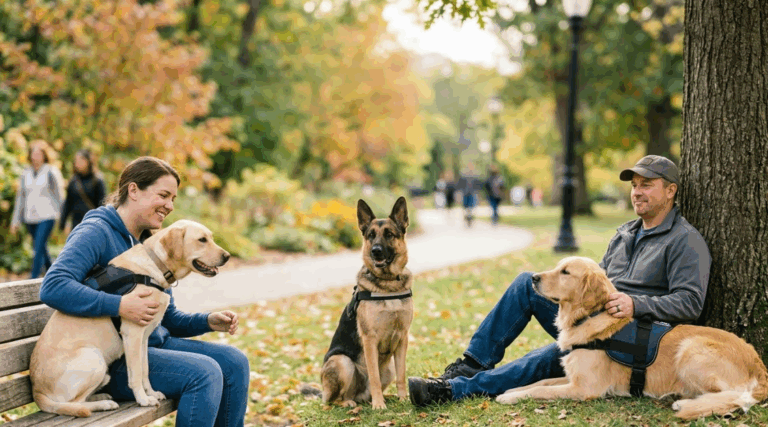
Best Therapy Dogs: Top Breeds For Comfort And Support
Feeling stressed, anxious, or lonely can make daily life incredibly challenging. The best therapy dogs help individuals feel calm, safe, and grounded, especially in high-stress environments like hospitals, schools, and nursing homes. Animal-assisted therapy has been scientifically shown to lower blood pressure, reduce cortisol levels, and stimulate the release of oxytocin, the bonding hormone.
This comprehensive guide explores the top therapy dog breeds and explains how these remarkable animals bring comfort to those who need it most. Whether you are looking for a facility dog for a clinic or a gentle companion for a retirement home, understanding the unique traits of these breeds will help you find the perfect furry friend.
What Makes a Great Therapy Dog?
A successful therapy dog is not defined by breed alone, but rather by a specific set of behavioral traits. The most effective therapy animals are exceptionally friendly, patient, and unshakably calm. While size and breed matter for specific environments, a dog’s natural disposition and response to training are the true indicators of their potential in therapeutic settings.
Temperament and Personality
Therapy dogs must possess impeccable manners and a resilient, calm mood. Dogs working in therapeutic environments must be universally friendly with strangers, steady under sudden stress, and resistant to loud noises or unpredictable movements. They should never be quick to bark, jump, or show signs of anxiety.
Highly intelligent dogs process therapy dog training much faster, allowing them to better support mental health needs in unpredictable places like pediatric wards or memory care units. To ensure safety and reliability, most therapy dogs must pass rigorous evaluations, such as the Canine Good Citizen test, which proves their steady behavior around medical equipment, crowds, and people of all ages.
Handlers can also complete therapy dog registration online through recognized organizations such as My Service Animal, streamlining the certification process and expanding access to structured therapy programs.
Therapy dogs do not just offer a warm presence; they act as living, breathing anchors for individuals experiencing severe emotional turbulence. The ideal therapy dog leans into physical contact rather than shying away from it.
Size and Adaptability
When evaluating therapy dog candidates, size and adaptability are crucial factors that dictate where the dog can safely work. Small dog breeds work exceptionally well in cramped quarters, such as small apartments, individual hospital beds, or with individuals who require the comforting weight of a lap dog.
Large breeds generally excel in more spacious facilities like physical rehabilitation centers or large psychiatric care homes. Larger dogs can handle more physical contact and can even provide deep pressure therapy for individuals experiencing sensory overload or panic attacks. The best therapy dogs adapt seamlessly to changing environments, shifting from a lively children’s reading group to a quiet hospice room with ease.
Energy Level and Training Requirements
An elite therapy dog exhibits a perfectly balanced energy level. Overly energetic dogs can inadvertently increase a patient’s anxiety, while overly lethargic dogs may not engage enough to provide meaningful emotional support. The dog must have the stamina to complete a visiting shift but the self-control to lay quietly for extended periods.
Training focuses heavily on impulse control, gentle taking of treats, and reliable behavior around strangers. Consistent, positive reinforcement training shapes these natural traits into reliable skills, ensuring the animal remains a steadfast source of comfort.


Comparison of Top Therapy Dog Breeds
| Breed | Size | Energy Level | Ideal Setting |
|---|---|---|---|
| Labrador Retriever | Large | Medium-High | Hospitals, Schools, Rehab Centers |
| Golden Retriever | Large | Medium | Nursing Homes, Psychiatric Facilities |
| Poodle (All Sizes) | Toy to Standard | Medium | Allergy-Sensitive Clinics, Therapy Offices |
| Cavalier King Charles | Small | Low-Medium | Hospice, Lap Comfort, Small Facilities |
| Beagle | Small-Medium | Medium | Children’s Wards, Assisted Living |
Top Therapy Dog Breeds Examined
1. Labrador Retriever
Labrador Retrievers are universally recognized as one of the most reliable and loving breeds in the world. They make extraordinary therapy dogs because they inherently enjoy human interaction and possess a natural desire to offer comfort.
Labs have highly sought-after traits for therapeutic work, including exceptional gentleness and high trainability. They respond eagerly to commands and recover quickly from startling situations. Their robust size allows them to provide deep pressure therapy, which is highly effective for grounding individuals with severe anxiety or autism.
Labradors thrive in diverse environments. They are highly effective in bustling nursing homes, elementary schools, and busy hospital wards. Their resilient nature helps calm those experiencing acute stress, making them perfect emotional anchors in crisis centers.
2. Golden Retriever
Golden Retrievers are synonymous with emotional intelligence and gentle companionship. Their naturally empathetic expressions and soft coats make them highly approachable, which is vital for initiating animal-assisted therapy with hesitant patients.
This breed loves humanity deeply and enjoys forming immediate connections. Golden Retrievers are also exceptionally smart, learning complex behavioral routines quickly. Their size makes them easy to guide through hospital corridors while providing a substantial, comforting physical presence for patients to hug and pet.
Golden Retrievers fit seamlessly into almost any therapeutic setting. Their friendly nature brings immediate joy to pediatric wards and retirement communities alike. They are particularly successful in community centers supporting individuals with developmental disabilities, as their predictable and positive energy offers unparalleled security.
Golden Retrievers possess an almost supernatural ability to identify the person in a room who is hurting the most, quietly making their way over to rest their head in that person’s lap.
3. Poodle
Poodles are brilliant, highly perceptive, and friendly. Often misunderstood simply as show dogs, Poodles are historically working dogs with a deep capacity for human connection and therapeutic support.
Poodles have a dignified yet playful nature that lifts spirits during difficult times. A major advantage of the Poodle is their hypoallergenic coat, making them the absolute best choice for medical facilities where patient allergies are a strict concern. Because they come in Toy, Miniature, and Standard sizes, facility directors can choose the exact size that fits their specific environmental needs.
These dogs thrive in both small, intimate counseling offices and large medical campuses. Their high intelligence means they can be taught highly specific behaviors required for specialized emotional support roles, such as interrupting panic attacks or fetching medication.
4. Cavalier King Charles Spaniel
The Cavalier King Charles Spaniel is a small dog bred specifically for companionship. They possess enormous hearts, gentle temperaments, and a profound love for physical affection, making them top-tier emotional support providers.
Cavaliers are uncommonly gentle and thrive on close human contact. Their quiet nature makes them perfect for therapy work in noise-sensitive environments. Because they are small and easy to carry, they are exceptionally well-suited for tight spaces, such as crowded nursing home bedrooms or directly on a patient’s bed.
Cavaliers demonstrate a high level of emotional mirroring. They sense human sadness and respond by offering quiet, warm companionship. They are ideal for hospice care, assisted living facilities, and individual psychotherapy sessions where a calm, unobtrusive presence is required.
5. Beagle
Beagles are famously merry, friendly, and curious. While traditionally hound dogs, their highly social nature and pack-mentality translate beautifully into therapeutic visitation work.
Beagles have a gentle, forgiving temperament that puts nervous individuals at ease. They love being part of a group, which makes them excellent for group therapy sessions or school reading programs. Their compact, sturdy size allows them to be handled by children and seniors safely.
Because of their hound background, Beagles require consistent, positive reinforcement training to ensure they remain focused on their handler rather than interesting scents. Once properly trained, their playful spirit brings immense happiness to pediatric units, juvenile detention centers, and retirement communities.
Conclusion
Choosing the best therapy dog involves looking past a dog’s appearance to focus on their temperament, training potential, and adaptability. While Labrador Retrievers and Golden Retrievers dominate the field due to their unfailing friendliness and resilience, smaller breeds like the Poodle, Cavalier King Charles Spaniel, and Beagle offer unique benefits for specific therapeutic environments.
Ultimately, the impact of a therapy dog comes down to the profound, non-judgmental connection they offer. With meticulous training and the right environment, these remarkable breeds transform lives, providing comfort, reducing anxiety, and offering unconditional support to those navigating their darkest days.
References
- 1.
- 2.
- 3.
- 4.
The content on this website is for informational purposes only and does not constitute professional medical advice, diagnosis, treatment, or legal counsel.

U.S handlers trust MyServiceAnimal

FAQ
The most widely recognized therapy dog breeds include Labrador Retrievers, Golden Retrievers, Poodles, and Cavalier King Charles Spaniels. Other excellent breeds include Beagles, Bichon Frises, and even mixed breeds, provided they have the necessary calm and friendly temperament.
Therapy dogs provide critical animal-assisted interventions that combat loneliness and depression in nursing homes. Interacting with these dogs lowers blood pressure, eases anxiety associated with dementia, and boosts overall mood through tactile stimulation and unconditional companionship.
Yes, several breeds are excellent for allergy-sensitive environments. Poodles (Standard, Miniature, and Toy), Bichon Frises, and Schnauzers produce significantly less dander and shed minimally, making them the preferred choice for hospitals and clinics with strict allergy protocols.
Service dogs are rigorously trained to perform specific life-saving tasks for a single individual with a disability, and they possess legal public access rights. Therapy dogs are trained to provide psychological and emotional comfort to many different people in facility settings, such as hospitals or schools, and do not have the same public access rights as service dogs.
A dog must complete specialized training focusing on obedience, socialization, and temperament under stress. Afterward, the dog and handler team must pass an evaluation by a recognized therapy animal organization, which tests their ability to safely interact with vulnerable populations and navigate medical equipment.
Absolutely. Small breeds like the Cavalier King Charles Spaniel or Toy Poodle are highly effective. Their compact size allows them to be easily lifted into beds or onto laps, making them ideal for patients with limited mobility, bedridden individuals, or pediatric patients who might be intimidated by large dogs.